The past week has laid bare the consequences of Donald Trump's preference for personal loyalty over professional competence, as his administration lurches from one self-inflicted crisis to another. For the millions of voters who handed Republicans a stinging defeat in the midterm elections, the spectacle is hardly surprising—but the sheer breadth of mismanagement still strains credulity.
Just two years into his second term, Trump has already managed to unsettle the economy, cost his party its congressional majorities, and sink to record-low approval ratings. Yet the latest stretch of blunders suggests the bar can always be lowered. Homeland Security Secretary Markwayne Mullin defended a taxpayer-funded trip to a football game as a matter of public service, Health Secretary Robert F. Kennedy Jr. presided over the loss of America's measles elimination status, and Trump lavished praise on Russian President Vladimir Putin as "my friend."
Financial markets have now joined the list of casualties. The NASDAQ, S&P 500, and Dow Jones all entered correction territory before staging a partial rebound, driven in part by investor anxiety over an AI-fueled bubble that Trump's policies and social media outbursts have repeatedly inflated. The turbulence threatens the retirement savings of ordinary Americans, even as Trump himself reportedly cashed in up to $148 million through more than 750 well-timed stock trades in September alone.
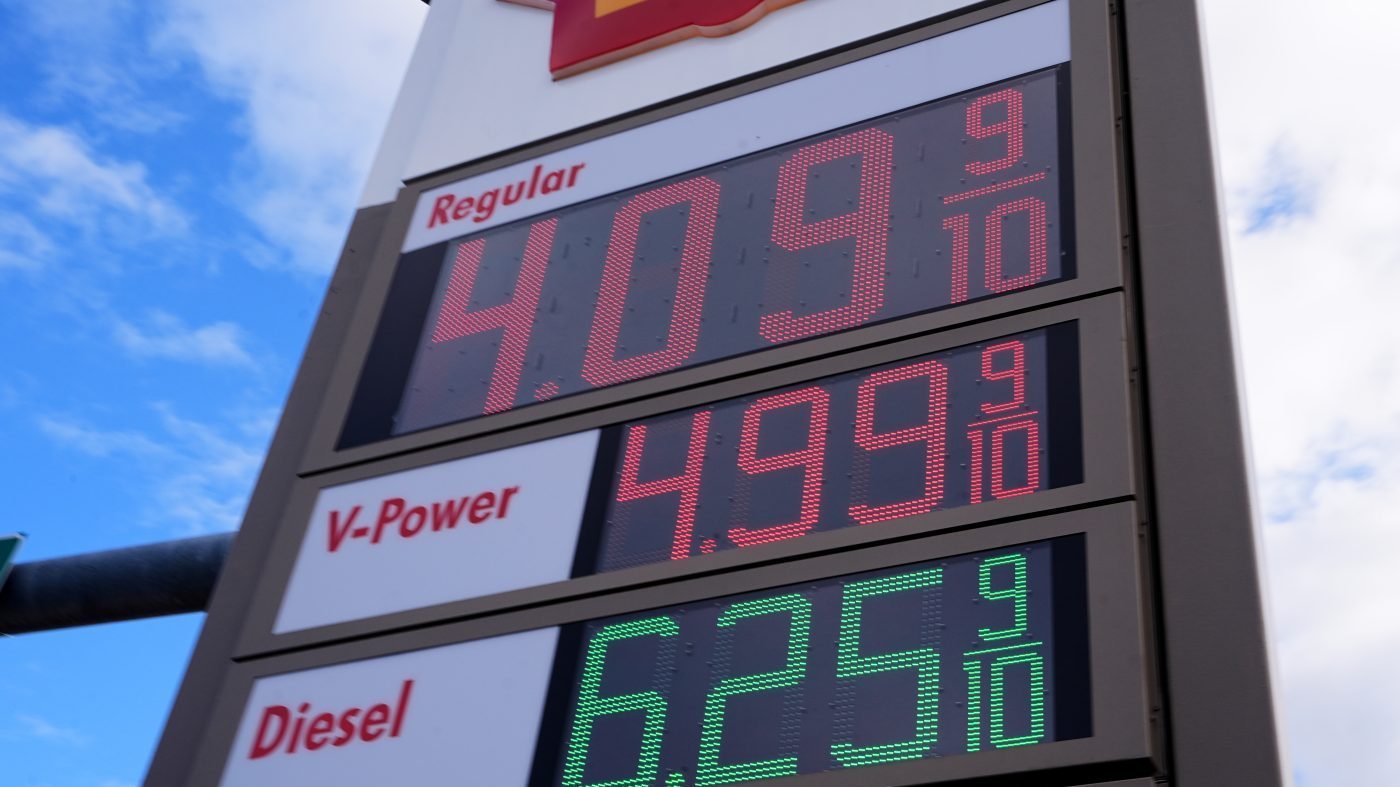
For the roughly 70 percent of Americans struggling with an affordability crisis, the administration's chaos adds insult to injury. With Thanksgiving approaching, many families face a second consecutive year of rising food costs—turkey prices have jumped nearly 25 percent, partly due to Trump's aggressive deportation push that has targeted the migrant labor force essential to the poultry industry. More Americans are paying more for less, and there is little gratitude to spare.
Addressing the dysfunction would require a serious overhaul of the administration's senior ranks, but Trump has shown little appetite for parting with loyalists, especially when the bench of qualified replacements is thin. Mullin, whose performance during the Federal Aviation Administration's recent nationwide ground stop was widely criticized, exemplifies the problem. His initial press conference offered a muddled reassurance that the halt was "not another 9/11," followed by the ominous and vague warning: "I don't want to say this is a crisis, but it is." The ensuing days of contradictory explanations earned him the derisive nickname "Secretary of Imprecision."
Yet replacing him is easier said than done. The White House, now under the stewardship of chief of staff Stephen Miller, a hardline ideologue known for purging moderates, has become a hostile environment for serious policy experts. Few are willing to risk their reputations for a president who demands fealty over honest counsel, and even fewer would pass Miller's ideological litmus test.
The result is a government where incompetence is tolerated as long as it comes wrapped in personal devotion. That dynamic, more than any single misstep, explains why the administration appears stuck in neutral, spinning its wheels two years before the next election. The midterm shellacking should have been a wake-up call, but the core problem remains unchanged: Trump himself.
Until Republicans confront that reality, Americans will continue to endure a political landscape where economic and national security instability are the norm rather than the exception. The country deserves better than two more years of this chaos.