The Federal Reserve's preferred inflation measure edged higher in October, according to data released Wednesday by the Bureau of Economic Analysis (BEA), just two weeks before the central bank's final rate-setting meeting of 2026.
The personal consumption expenditures (PCE) price index rose 0.3% last month and was up 3.8% from October 2025. The figures matched projections from the Federal Reserve Bank of Cleveland, which had forecast a 0.3% monthly gain and a 3.8% annual increase.

The uptick follows a pattern of stubborn inflation that has remained above the Fed's 2% target for more than five years. Annual PCE inflation had already climbed from 3.4% in August to 3.6% in September, and the October reading continues that trend.
Energy Costs Keep Pressure on Prices
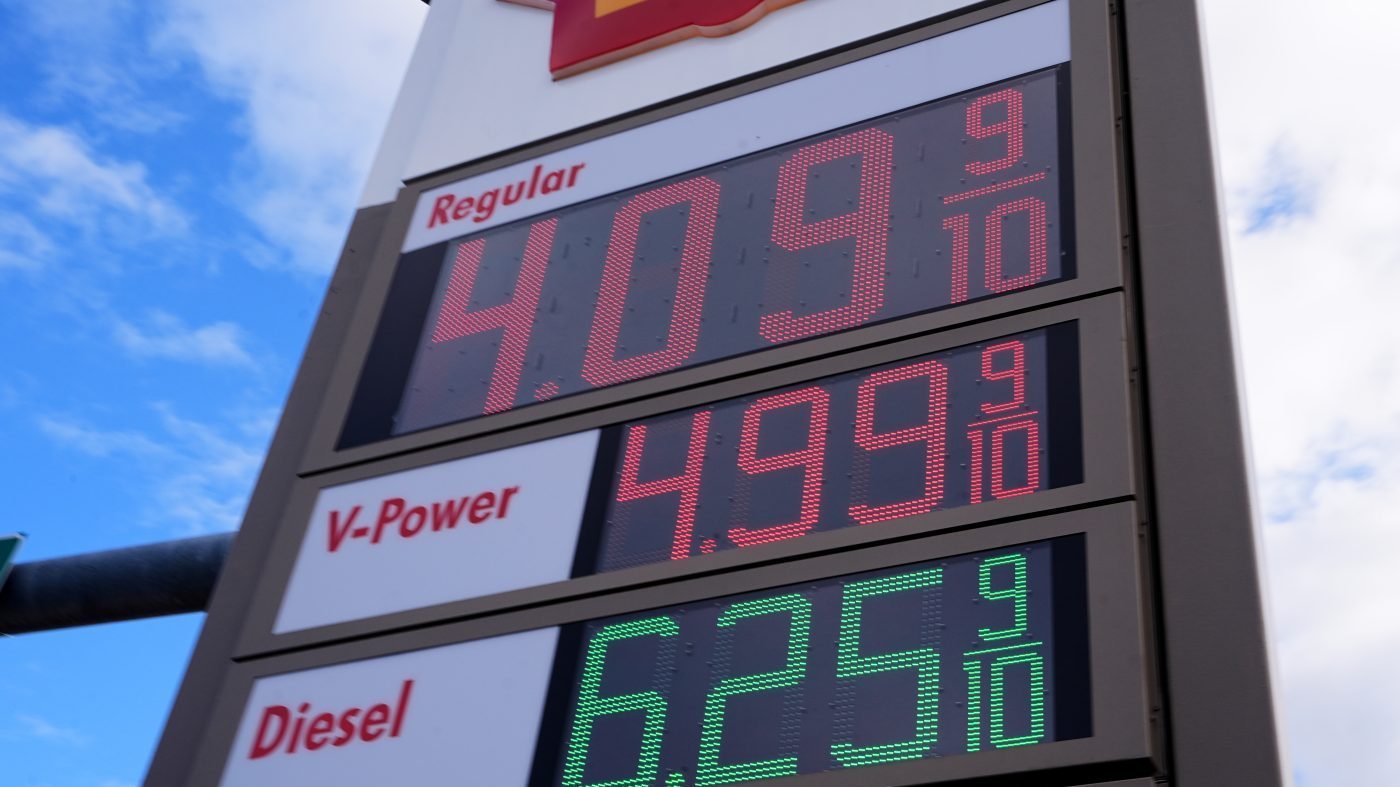
A key driver remains the Iran war, which began in late February and has sent energy prices soaring. The BEA reported that gas and other energy goods rose 0.8% in October, following a 9.2% surge the previous month. While the average price of a gallon of regular gas has fallen to roughly $3.59, about 70 cents cheaper than a month ago, it remains roughly 60 cents higher than two days before the conflict started, according to AAA data.
Food and beverage prices also ticked up 0.4% in October after two months of no change.
Core Inflation Remains Elevated
Core PCE prices, which strip out volatile food and energy costs, rose 0.3% month-over-month and were up 3.3% annually, up from 3.1% in September. The Cleveland Fed had projected a 0.3% monthly rise and a 3.2% annual gain.
The consumer price index (CPI), a separate inflation measure, increased 0.4% from September to October. The Bureau of Labor Statistics, which publishes the CPI, could not provide annual data for October due to the record-long government shutdown that consumed the month.
Fed Officials Signal More Hikes Possible
The persistent inflation has prompted the Federal Open Market Committee (FOMC) to raise interest rates by a quarter point in September, the first hike since July 2023. In late October, the committee held rates at a range of 3.75% to 4%, but several officials have hinted at further increases. The FOMC is scheduled to meet again on Dec. 8-9.
New York Fed President John Williams emphasized the need for action on Monday, saying, "It is imperative that we restore inflation to our 2 percent target in a timely manner and on a sustained basis." His comments reflect a broader concern among policymakers that the war-driven energy shock could entrench higher inflation expectations.
The BLS will release November CPI data on Dec. 10, a day after the FOMC meeting concludes, giving officials little new information before they decide on rates. The upcoming decision will be closely watched, as the Fed balances the risk of choking off economic growth against the need to bring inflation down.