An attorney representing victims of the September 11, 2001 attacks who suffered from toxic exposure has sharply criticized the U.S. Army's decision to detonate more than 60 barrels of lead azide at an Iowa munitions plant, calling the move “insane.”
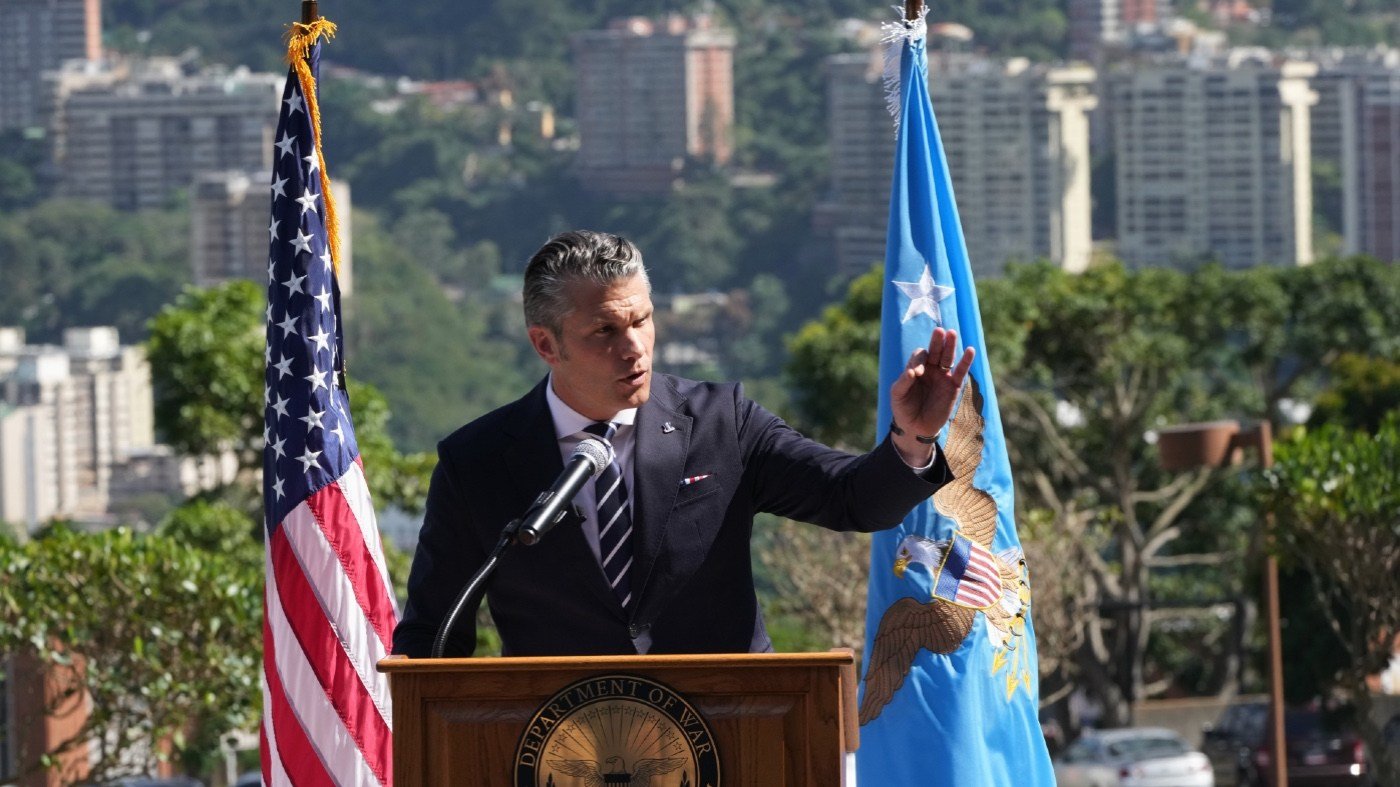
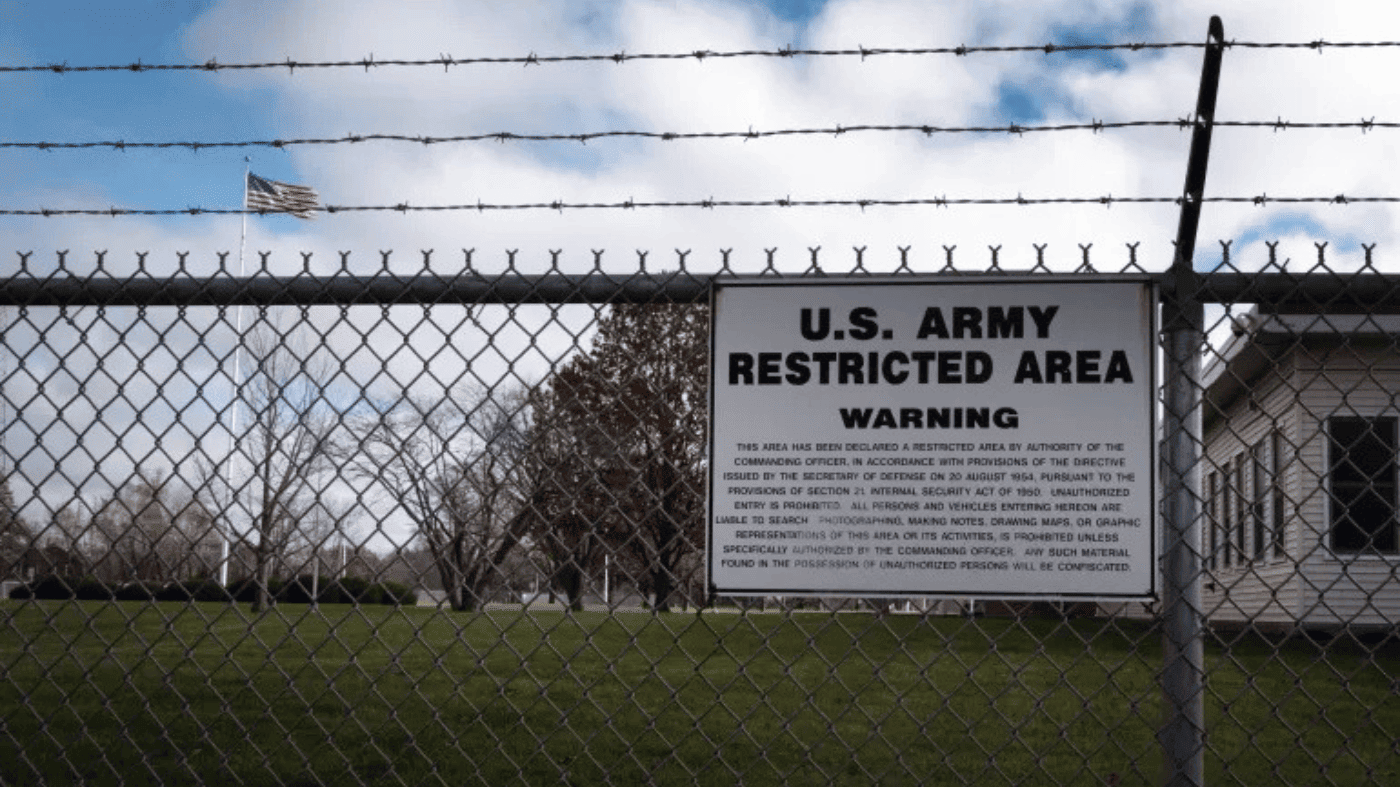
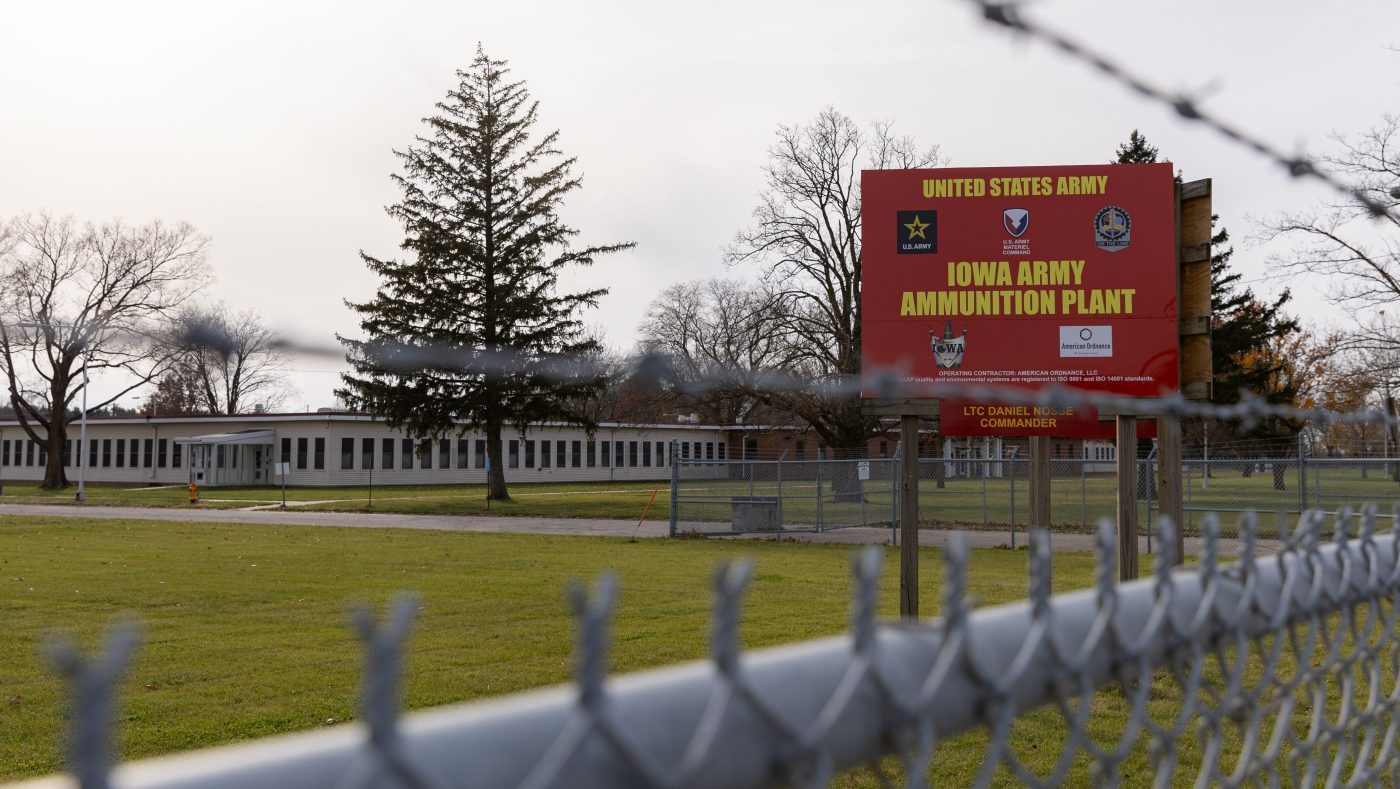
The controlled explosion is scheduled for Wednesday at the Iowa Army Ammunition Plant in Middletown, Iowa. The Trump administration has defended the operation, arguing that a deliberate detonation is safer than leaving the unstable chemical in place, which could risk an “accidental, uncontrolled detonation.”
Michael Barasch, managing partner at Barasch & McGarry, voiced his disbelief in an interview with NewsNation, saying, “It boggles the mind that these munitions weren't inspected on a regular basis. Why we're left with one alternative now, which is to blow it up ourselves, makes no sense at all. It's insane.” He added, “As a father of children, I just can't understand why we are rushing to do this.”
The detonation was originally set for November 20 but was postponed after lawmakers complained about the lack of advance notice. Incoming Iowa Governor Rob Sand (D) expressed frustration on social media, stating, “The safety of Iowans now and in the future should be government's top concern. An unacceptable lack of communication and clarity has made Iowans understandably concerned and angry about this situation.”
Two environmental groups have filed a lawsuit to halt the blast, arguing that it could release dangerous levels of lead dust into the air, endangering nearby communities. The Environmental Protection Agency warns that lead exposure is particularly harmful to children and that no safe level of exposure exists. Inhaling lead toxins can cause serious health problems.
The Department of Health and Human Services has advised children, pregnant women, and chronically ill individuals to evacuate the area before the detonation. Incoming Iowa Senator Josh Turek (D), who has spina bifida linked to his father's exposure to Agent Orange, voiced his concerns, saying, “As someone who was born with spina bifida due to my father's exposure to Agent Orange — an airborne toxin — I am deeply concerned.”
President Trump initially backed the detonation but said he would defer to Governor-elect Sand. After a back-and-forth, the Army confirmed late Monday that it would proceed. Trump stated on Monday, “I feel the proper course is to get rid of this longterm problem but, at the same time, have ordered the Military not to do so until such time as the Eighth Circuit agrees that we can go forward, and am further making this decision fully subject to the incoming Governor Elect, Rob Sand, agreeing to the operation.”
Barasch urged the president to intervene, saying, “If the president is watching, he has the executive authority to stop this. And that's exactly what you should do.”
The legal and political battle over the detonation highlights broader tensions between federal military operations and local environmental and health concerns. As the blast date approaches, Iowans remain on edge, and the outcome could set a precedent for how the military handles hazardous materials in populated areas.