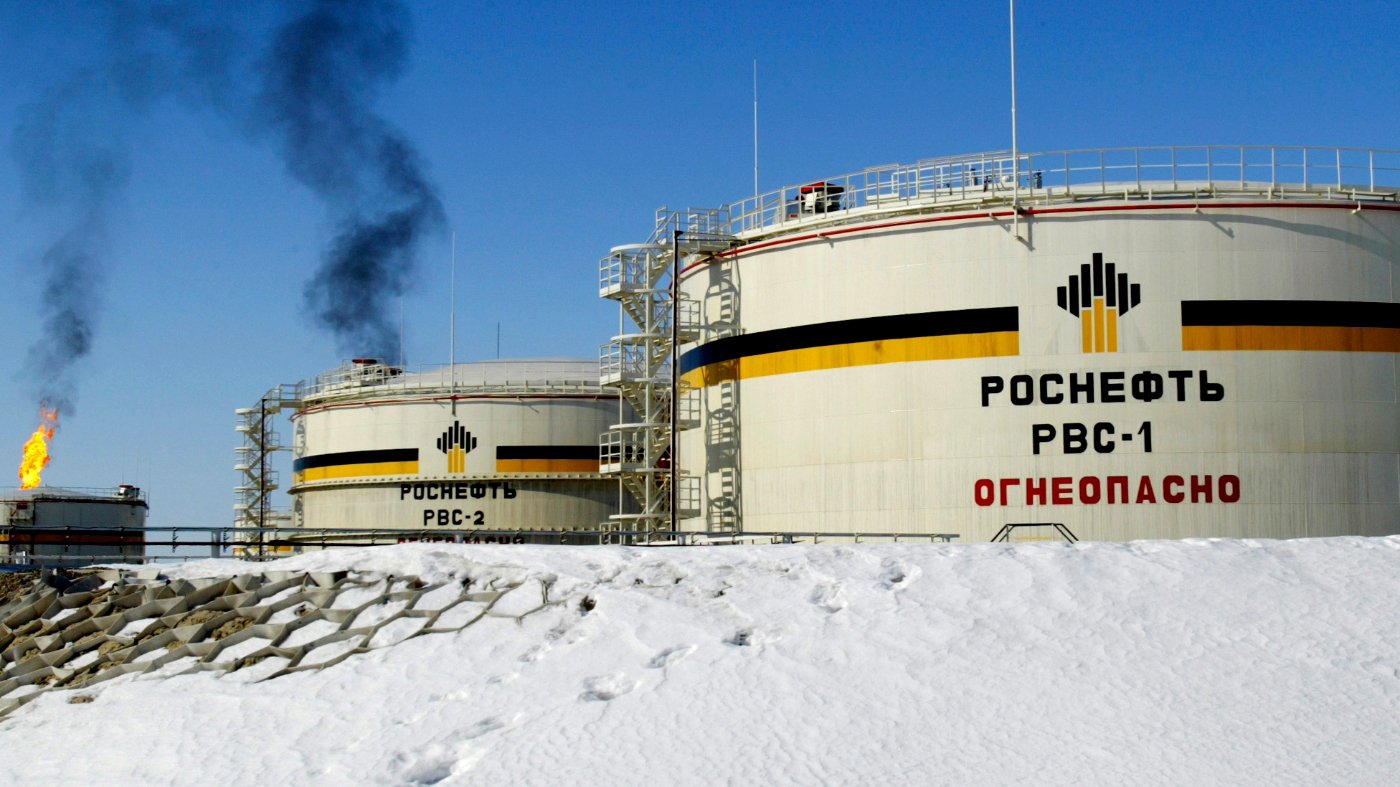
In a significant policy reversal, the Trump administration on Friday extended a sanctions waiver that permits certain countries to purchase Russian oil and petroleum products. This decision directly contradicts a public statement made just days earlier by Treasury Secretary Scott Bessent, who had told reporters the waiver would not be renewed.
The U.S. Treasury Department posted a license authorizing these transactions to continue through May 16. This replaces a previous 30-day waiver that had recently expired. The administration has framed such waivers as a tool to manage global energy prices, which have been volatile since the outbreak of the U.S.-led military conflict with Iran.
Contradiction and Criticism
On Wednesday, Secretary Bessent had explicitly stated the waiver for Russian oil would not be extended, adding that a similar waiver for Iranian oil would also lapse. The abrupt about-face prompted immediate and fierce condemnation from Senate Democrats.
In a joint statement, Senators Jeanne Shaheen, Elizabeth Warren, and Minority Leader Chuck Schumer labeled the reversal "shameful" and a "180-degree" turn from Bessent's pledge. They questioned the strategic message sent by continuing this relief for Moscow amid ongoing Russian attacks in Ukraine. "Make no mistake, Putin has been one of the biggest beneficiaries of President Trump’s war against Iran, as Russia saw oil revenues nearly double in March," the senators stated. They accused Trump of allowing Putin to "play him for a fool" and demanded additional sanctions pressure.
"If President Trump does not change course, the war in Ukraine will continue and more innocent people will die," the Democratic lawmakers warned, directly linking the sanctions policy to the conflict's trajectory.
Administration Justification
Last month, Bessent had defended the waiver as a "narrowly tailored" measure that would "not provide significant financial benefit to the Russian government." Following Friday's extension, he reiterated the administration's position on social media, writing that President Trump "is taking decisive steps to promote stability in global energy markets and working to keep prices low as we address the threat and instability posed by the terrorist Iranian regime." This stance aligns with the President's broader hardline posture toward Tehran.
The decision comes amid a fragile and contested ceasefire in the Iran conflict. A 14-day truce agreed to last week required the strategic Strait of Hormuz to reopen to help alleviate oil prices. The waterway has opened and closed intermittently since, with Iranian officials blaming a U.S. naval blockade. These disruptions underscore the ongoing volatility in a key global chokepoint for energy shipments.
The policy reversal occurs against a complex political backdrop for the administration, which is simultaneously managing war costs, internal economic disputes, and domestic political pressure. The move effectively prioritizes short-term energy market management and the Iran conflict over maintaining maximum economic pressure on Russia for its war in Ukraine, creating a clear friction point with congressional critics and allies abroad.
The extension ensures a continued flow of Russian oil onto world markets for the near term, providing a revenue stream for Moscow even as the administration faces accusations of being outmaneuvered. It highlights the difficult balance the White House is attempting to strike between competing geopolitical and economic priorities in an election year.