In early 2025, the White House seriously considered a drastic legal maneuver: suspending habeas corpus rights for undocumented immigrants, according to a forthcoming book by New York Times reporters Jonathan Swan and Maggie Haberman. The move, detailed in Regime Change: Inside the Imperial Presidency of Donald Trump, aimed to accelerate deportations amid the administration's aggressive immigration crackdown.
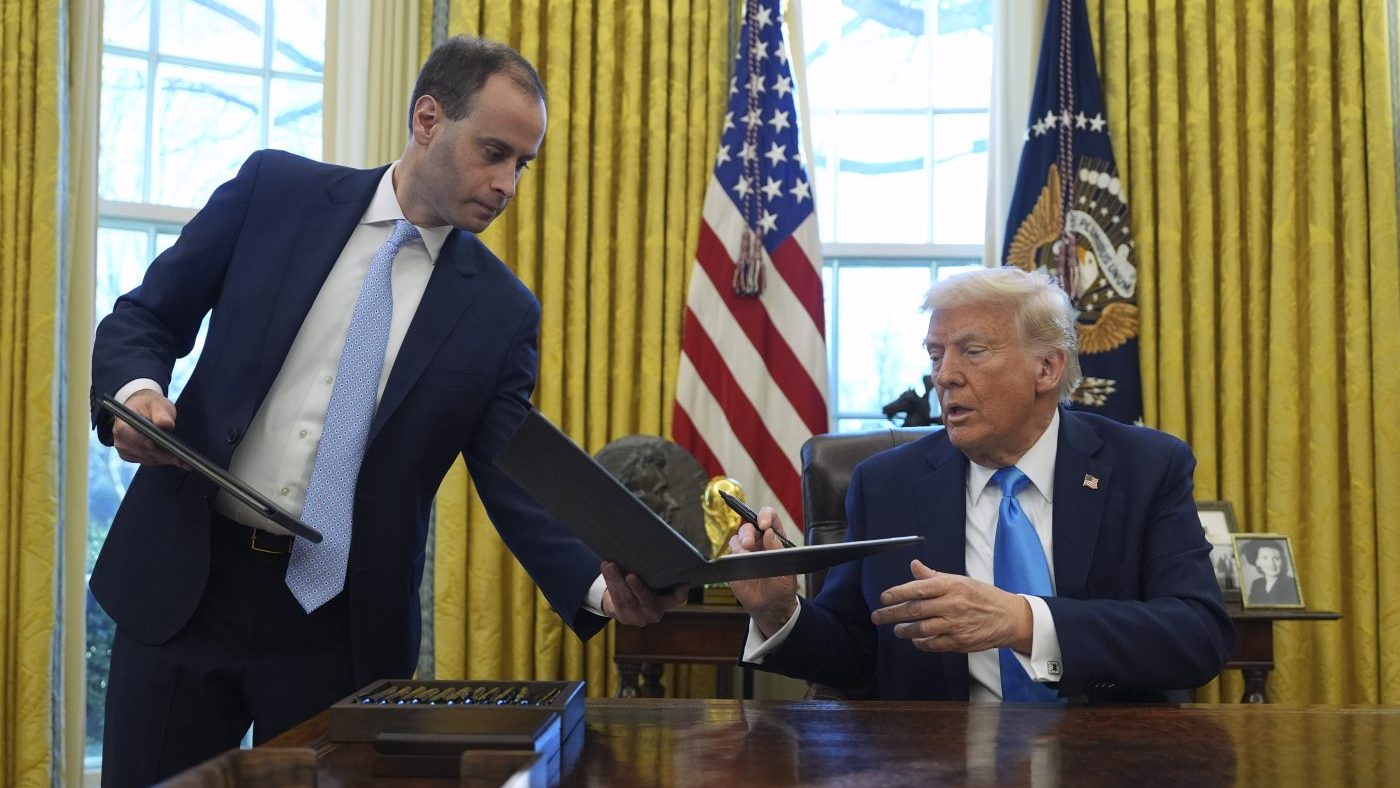
White House staff secretary Will Scharf authored a memo to chief of staff Susie Wiles in April 2025, signaling that the Trump administration was weighing the suspension of habeas corpus—a constitutional right that allows individuals to challenge their detention in court. The memo reportedly acknowledged that the Constitution permits such a suspension only in cases of rebellion or invasion, a threshold that legal experts say does not apply to undocumented immigration.
The revelation comes as the administration's immigration policies have drawn sharp criticism, particularly after federal immigration authorities killed two U.S. citizens in Minneapolis earlier this year. The incident intensified scrutiny of enforcement tactics and fueled debates over the limits of executive power.
Stephen Miller, then-deputy chief of staff, publicly confirmed the administration's interest in this approach. In remarks to reporters at the White House, Miller stated, "Well, the Constitution is clear—and that of course is the supreme law of the land—that the privilege of the writ of habeas corpus can be suspended in a time of invasion. So, it's an option we're actively looking at. Look, a lot of it depends on whether the courts do the right thing or not."
Miller's comments echoed a broader strategy within the administration to push legal boundaries in pursuit of hardline immigration enforcement. The proposal, however, faced immediate constitutional hurdles. The Suspension Clause of the Constitution explicitly limits habeas corpus suspension to instances of rebellion or invasion, a standard that legal scholars argue does not cover undocumented immigration.
The book's disclosures add to a pattern of controversial legal interpretations by the Trump administration. In recent years, the Supreme Court's conservative majority has weighed in on similar issues, with Justice Ketanji Brown Jackson issuing a veiled rebuke of the Court's approach to voting rights. Meanwhile, lower courts have blocked other administration efforts, such as a Kenyan court's rejection of a U.S. Ebola quarantine plan on rights grounds.
The habeas corpus proposal also drew comparisons to historical abuses of executive power. Critics argue that suspending such a fundamental right for a specific group would set a dangerous precedent, undermining due process for all. The administration's immigration crackdown has already led to legal battles, including a recent appeals court decision allowing activist Mahmoud Khalil to remain free pending a Supreme Court petition.
The Hill has reached out to the White House for comment on the book's reporting. As of now, no official response has been provided. The book is set to be released later this month, promising further insights into the inner workings of Trump's second term.