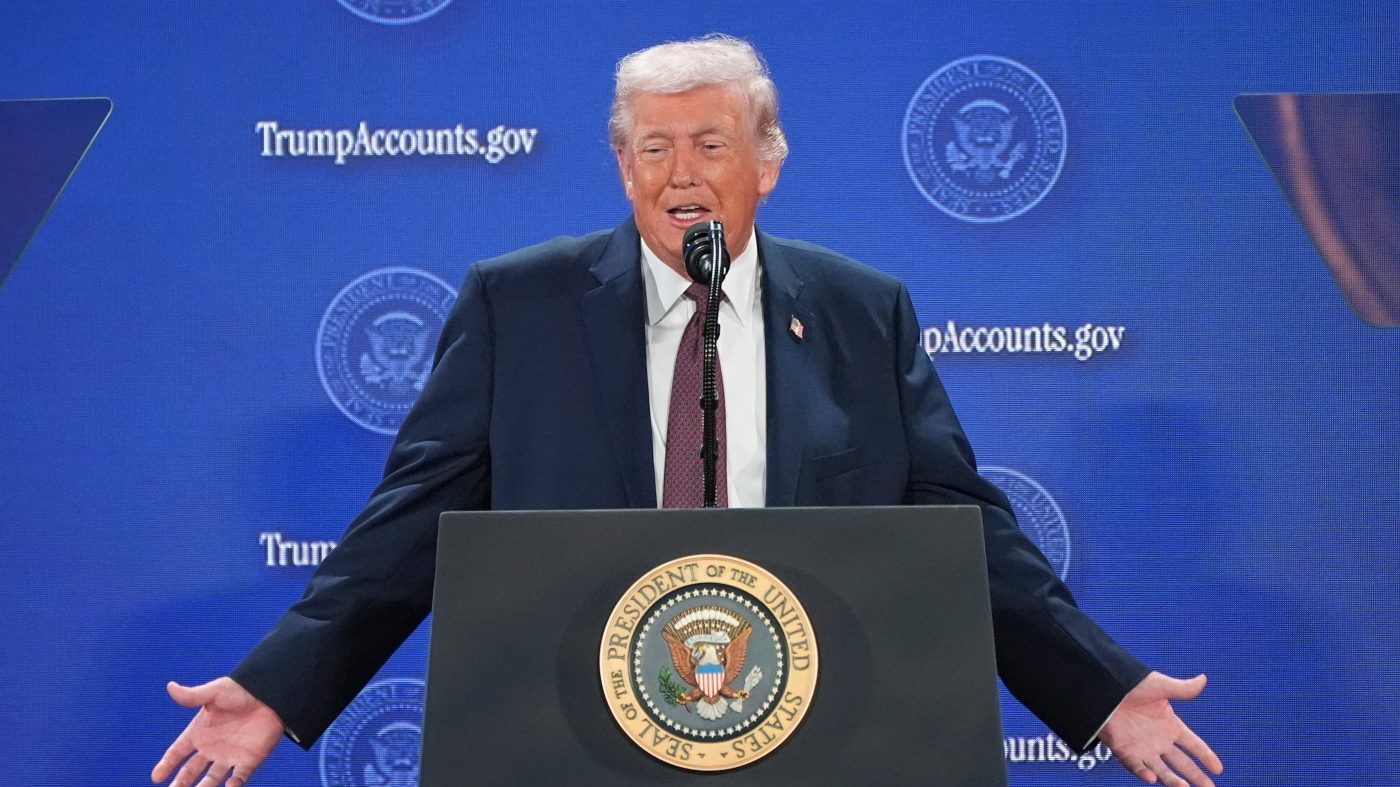
The Treasury Department announced Tuesday that contributions from friends and family to President Trump's investment accounts for children have surpassed $1 billion, bringing the program's total deposits to more than $9 billion.
According to the department, over 3 million people have contributed to individual Trump Accounts since the initiative began earlier this year under the One Big Beautiful Bill Act, which was signed into law in July 2025.
Treasury Secretary Scott Bessent praised the public's response, saying, "The American people are investing in Trump Accounts with a generosity that represents the finest instincts of our national character." He added that the president aimed to make contributing easy, and families are taking advantage to help children build wealth from an early age.
Bessent also noted that Trump himself made contributions to individual accounts this week, though the administration did not disclose the amounts or recipients.
The tax-advantaged accounts are available to children born during Trump's second term, from Jan. 1, 2025, through Dec. 31, 2028, and each eligible child receives a $1,000 federal seed contribution. The program has been expanded via automatic enrollment, adding 60 million accounts for children under 18 with valid Social Security numbers.
Parents or guardians must claim their child's account before private contributions can be made. Friends and family can contribute up to $5,000 annually per child, including up to $2,500 in employer contributions.
The program has attracted significant philanthropic backing, including a $6.25 billion pledge from Dell Technologies CEO Michael Dell and his wife, Susan, which provides $250 to children in lower-income ZIP codes.
Trump has promoted the accounts as a way to expand stock market participation and counter support for socialism and communism among younger Americans. The announcement comes amid broader policy debates, including recent tariff actions and other economic measures.
Critics have raised questions about the program's costs and transparency, but the administration continues to highlight its benefits for long-term financial security.