Resignation Exposes Foreign Policy Fault Lines
The departure of Joe Kent from his post as director of the National Counterterrorism Center has ignited a fierce debate within the Republican Party and the broader MAGA movement over the United States' military engagement with Iran and the perceived influence of Israel. Kent, who resigned last week, became the highest-ranking Trump administration official to step down in protest of the strikes, asserting that Iran presented "no imminent threat" to American security.
In his resignation letter and subsequent media appearances, Kent argued that the U.S. was drawn into conflict "due to pressure from Israel and its powerful American lobby." This critique found immediate resonance with prominent conservative voices, including Tucker Carlson, who hosted Kent shortly after his resignation. Carlson has consistently questioned the strategic alignment between Washington and Jerusalem, amplifying a perspective once confined to the political fringe.

Republican Leadership Mounts Fierce Defense
The criticism from Kent, Carlson, and others like Megyn Kelly has been met with a swift and forceful counterattack from leading Republicans. Senate Minority Leader Mitch McConnell labeled Kent's letter "virulent anti-Semitism," stating that "isolationists and anti-Semites have no place in either party." House Speaker Mike Johnson and CIA Director John Ratcliffe publicly contradicted Kent's threat assessment, insisting Iran's menace was clear and present.
This internal clash comes amid broader confusion over the administration's strategic messaging. While President Trump has publicly supported the joint military action, he also indicated he did not approve of recent Israeli strikes on Iran's South Pars oil field and claimed no prior knowledge—contradicting reports that the U.S. was informed in advance. This pattern of mixed signals on Iran policy has fueled skepticism among some former loyalists.
Gabbard Navigates Political Minefield
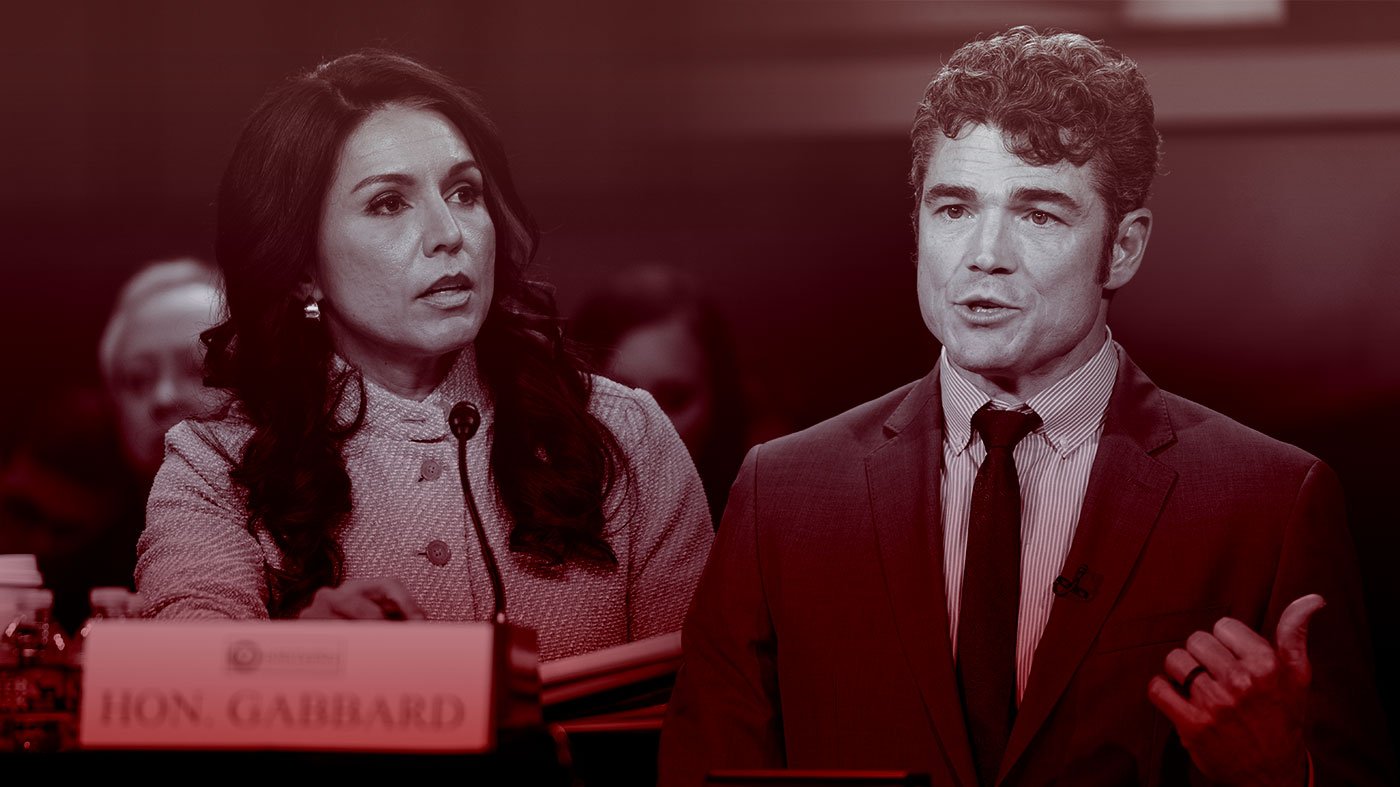
Kent reported to Director of National Intelligence Tulsi Gabbard, whose own anti-war background placed her in a delicate position during congressional testimony. When pressed by Rep. Elise Stefanik on whether she agreed with Kent's assertions, Gabbard offered a carefully hedged response. "He said a lot of things in that letter," Gabbard stated. "Ultimately, we have provided the president with the intelligence assessments, and the president... makes his own decisions."
Gabbard did, however, acknowledge concern over Kent's comments blaming Israel. She further revealed a potential divergence in U.S. and Israeli war aims, telling Rep. Joaquin Castro that while Israeli objectives focused on disabling Iranian leadership, the president's stated goals were to destroy Iran's ballistic missile and naval capabilities. This admission hints at underlying tensions in the coalition, even as the White House projects unity.
Investigations and Electoral Realities
The controversy has taken a legal turn, with reports emerging that Kent is under FBI investigation for allegedly leaking classified information—a charge he denies. Despite the high-profile dissent, polling indicates the rebellion represents a minority view within the Republican electorate. A recent Politico survey found 70% of 2024 Trump voters support joint U.S.-Israel strikes on Iran, with support climbing to 81% among self-identified MAGA voters.
This data suggests that while the Kent resignation has exposed a real ideological fissure, particularly on the question of alliance management and potential diplomacy, the core of Trump's political base remains supportive of his aggressive posture. The episode underscores a fundamental tension within modern conservatism between a more traditional, interventionist foreign policy and a growing populist skepticism of overseas entanglements.
The White House continues to aggressively rebut Kent's assessment, framing the military action as a necessary response to a clear threat. Yet the very public nature of this dispute, playing out across media and within the halls of Congress, signals that debates over America's role in the Middle East and its relationship with Israel will remain a defining and divisive issue for the Republican coalition moving forward.