Vice President JD Vance has blamed the Republican midterm defeat primarily on the war with Iran. But perhaps the problem was not the war itself. It was the absence of a clearly defined goal, a questionable strategy, and the failure to achieve victory.
After months of American and Israeli bombardment, Iran's military and economy have suffered enormous damage. Yet its regime has not capitulated. We have failed to eliminate or even weaken it. Destroying military capabilities does not necessarily destroy a totalitarian regime. As long as it controls its population, it can replace leaders and divert disproportionate resources toward continued aggression.

The Soviet Union illustrates the paradox. It emerged from World War II having lost approximately 27 million people, with its economy devastated. Yet Stalin's regime had never been stronger. It consolidated power at home and imposed Communist rule across Eastern Europe. The country was exhausted; the regime was triumphant.
Iran may be experiencing a similar dynamic. Foreign attacks can help its rulers mobilize nationalism, tighten ideological control, and denounce opponents as traitors. We cannot expect a different outcome merely by continuing to bomb. We need to review our strategy.
Two Fundamental Mistakes
Two fundamental mistakes lie at the heart of our approach: a poor understanding of the nature of totalitarian regimes and a failure to recognize the ideological character of the aggressive wars they wage. The first mistake leads to the false assumption that destroying a country's military capabilities and economy will necessarily weaken its regime and bring it closer to capitulation. But unless military force destroys the regime completely, it may actually strengthen it.
And to destroy and replace the regime completely can be an extraordinarily costly undertaking. Nazi Germany's defeat required unconditional surrender, occupation, the dismantling of Nazi institutions, and the establishment of a democratic order. Such an undertaking in Iran would demand sacrifices Americans are unlikely to accept.
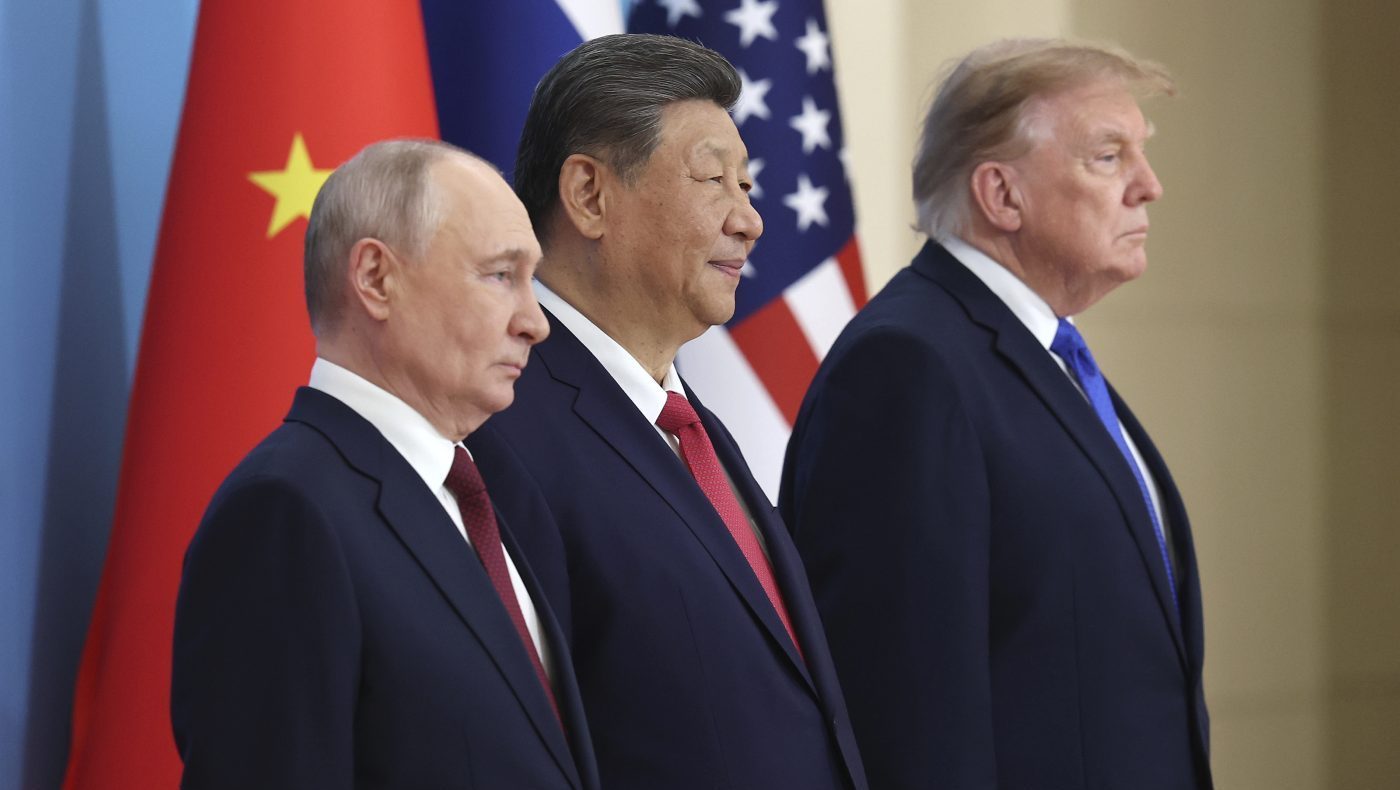
Our second mistake is failing to recognize the nature of the war. The conflicts in the Middle East and Ukraine are not separate regional struggles. They are interconnected fronts in a global ideological war between the democratic world and a united bloc of totalitarian states: Russia, China, Iran, and North Korea.
This bloc is bound together by mutual support agreements and concrete cooperation. Iran has supplied drones to Russia, North Korea has provided weapons and troops, and China supplies crucial industrial and technological inputs. We cannot split it through separate deals that appease some of its members. Our attempts to accommodate Putin's regime have not stopped it from providing Iran with intelligence and military assistance used against our troops and allies in the Middle East.
A Consistent Strategy
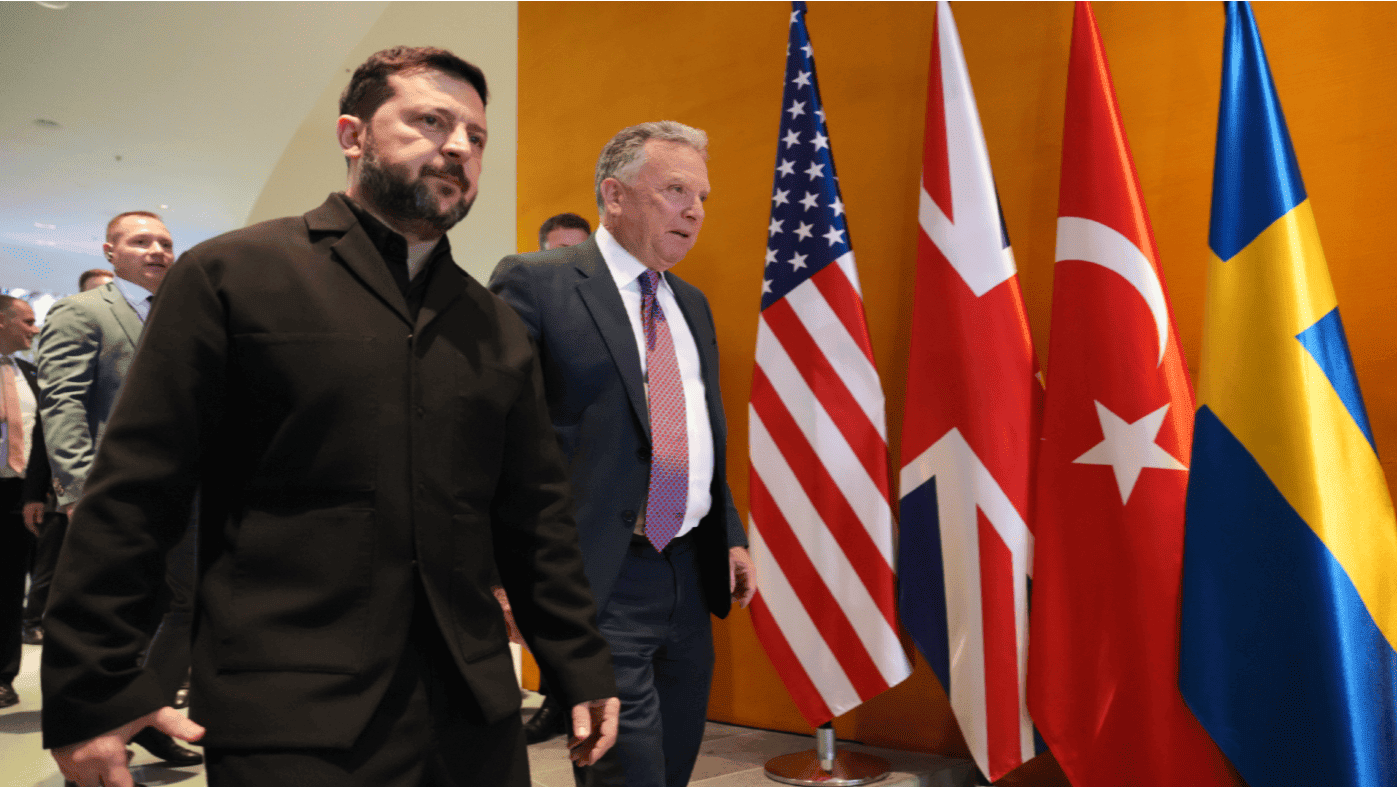
Treating these adversaries separately overlooks how gains by one can strengthen the others. A Russian victory in Ukraine would embolden its partners and weaken American deterrence. A Ukrainian victory could have the opposite effect on Tehran and strengthen the American position in the region.
These realities demand a consistent American strategy. We cannot simultaneously confront one totalitarian dictatorship while accommodating and strengthening another. Eliminate Iranian ayatollahs while embracing Putin, Xi Jinping, and Kim Jong Un.
Consider nuclear weapons. Trump said that Iran's nuclear program was obliterated. Perhaps. But as long as Putin's regime exists, the possibility of Russia transferring nuclear weapons to Iran cannot be entirely dismissed. By supporting Russia, we inevitably strengthen Iran. We need a consistent policy toward the entire totalitarian bloc. This does not require war with every member. It requires a consistent political and economic strategy — and the wisdom to concentrate our resources on its weakest link.
The Weakest Link: Russia
Today, that link is Putin's Russia. Russia's economy remains heavily dependent on natural resources. Russia's military, once considered overwhelmingly powerful, failed to seize Kyiv, surrendered a large part of the territories it had occupied, and has faced Ukrainian resistance at enormous cost.
With sufficient Western assistance, Ukraine could counter Russian aggression. Stronger sanctions could simultaneously weaken Putin's ability to sustain the war. Together, these pressures could create conditions for his regime's collapse. That would weaken Iran materially by depriving it of a major ally.
But the ideological consequences might be even more important. The collapse of Soviet communism demoralized and brought an end to many totalitarian, and even authoritarian, regimes. So, the collapse of Putin's totalitarianism, very similar to Iran's, could demonstrate the vulnerability of this political model, discourage Iran's rulers, and encourage its opposition.
What Should America Do?
First, seek a temporary truce in Iran while maintaining economic and political pressure. A ceasefire need not confer legitimacy on the regime or amount to a permanent settlement.
Second, concentrate military assistance on Ukraine and intensify sanctions against Russia. A Russian defeat would reshape the strategic balance across the entire bloc.
Third, once Iran is weakened by the loss of its ally, pursue a peaceful offensive reminiscent of Ronald Reagan's approach to Soviet communism: economic pressure, public diplomacy, ideological confrontation, and support for dissidents and democratic opposition.
The most promising road to victory in Iran does not run through another round of bombing Tehran. It runs through the defeat of Putin's Russia. As recent electoral shifts show, political fortunes can turn, but strategic clarity is essential. The path to Tehran may well be paved in Kyiv.