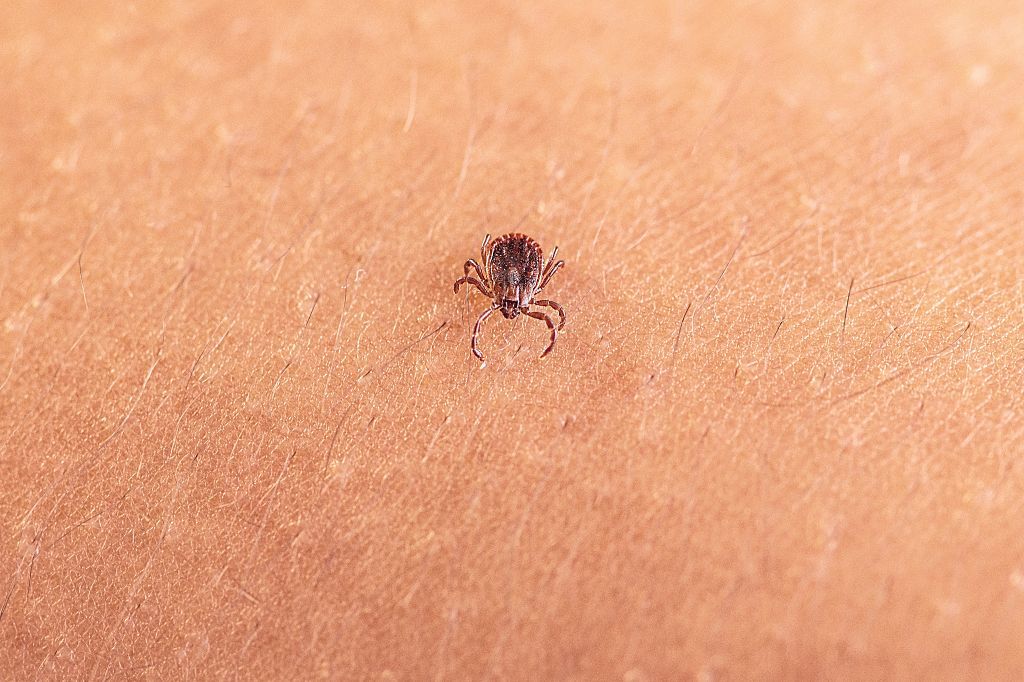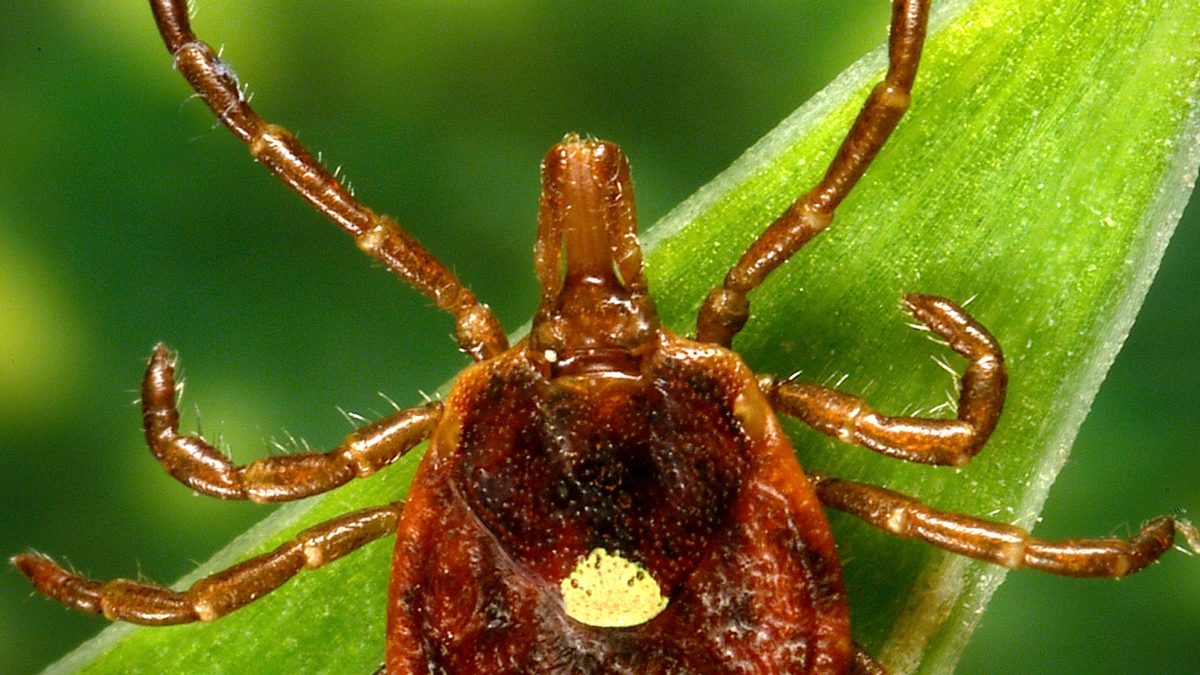
Tick season has slammed the United States with a ferocity not seen in a decade, driving emergency department visits to record levels. The tiny arachnids, often dismissed as a warm-weather nuisance, are proving to be a serious public health threat—capable of transmitting Lyme disease, rare viruses, and a condition that can trigger a potentially life-threatening allergy to red meat and other animal products.
The lone star tick, responsible for that meat allergy, has also been linked to a disease called cytauxzoonosis—commonly known as 'bobcat fever'—in cats. The infection is often fatal in felines and has been spreading with the tick's expanding range. Dogs, meanwhile, are vulnerable to Lyme disease, which can cause lameness, fever, and kidney damage if untreated.

Pet owners are now being urged to check their animals regularly for ticks, especially after walks in wooded or grassy areas. A tick that latches onto a dog or cat can easily be brought indoors, potentially biting humans later. This cross-species risk underscores the importance of early detection and removal.
Symptoms to Watch For in Pets
Veterinarians advise looking for signs such as lethargy, loss of appetite, limping, or swelling around the bite site. In cats, bobcat fever symptoms include high fever, depression, and difficulty breathing. Dogs with Lyme disease may show joint pain, fever, and swollen lymph nodes. If any of these appear, a vet visit is critical.
The surge in tick activity coincides with broader public health concerns. The CDC recently declared an emergency over a resurgence of screwworm in livestock, a parasitic threat that also affects pets. In response, the FDA greenlit an emergency drug for screwworm in pets, highlighting the growing intersection of vector-borne diseases and animal health.
Meanwhile, political battles over unrelated issues—such as the House GOP's push to rename the Pentagon as the 'Department of War'—continue to dominate headlines, but the tick crisis remains a pressing, nonpartisan problem affecting millions of households.
Experts recommend using veterinarian-approved tick preventatives, performing daily tick checks, and keeping yards clear of tall grass and leaf litter. With ER visits already at a decade high, the window for prevention is narrowing.