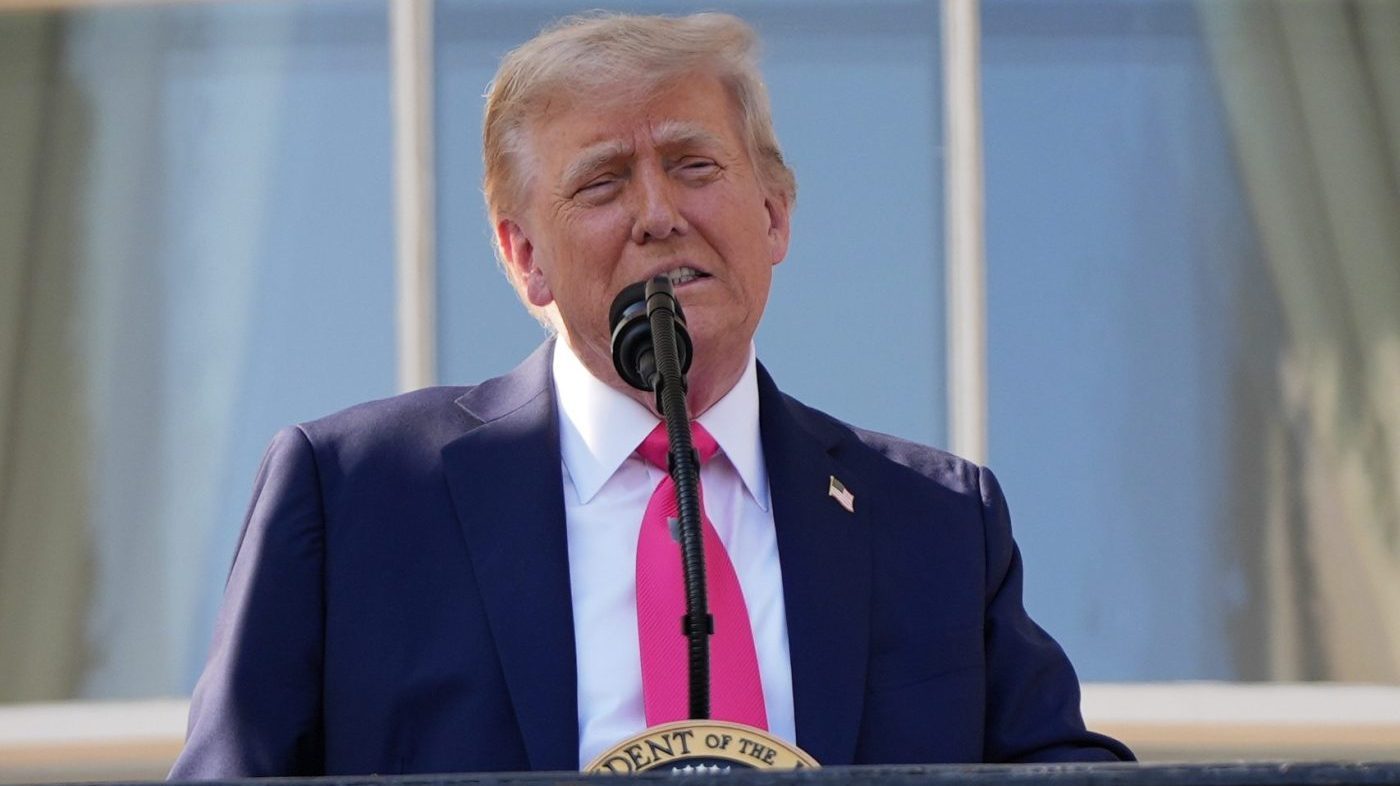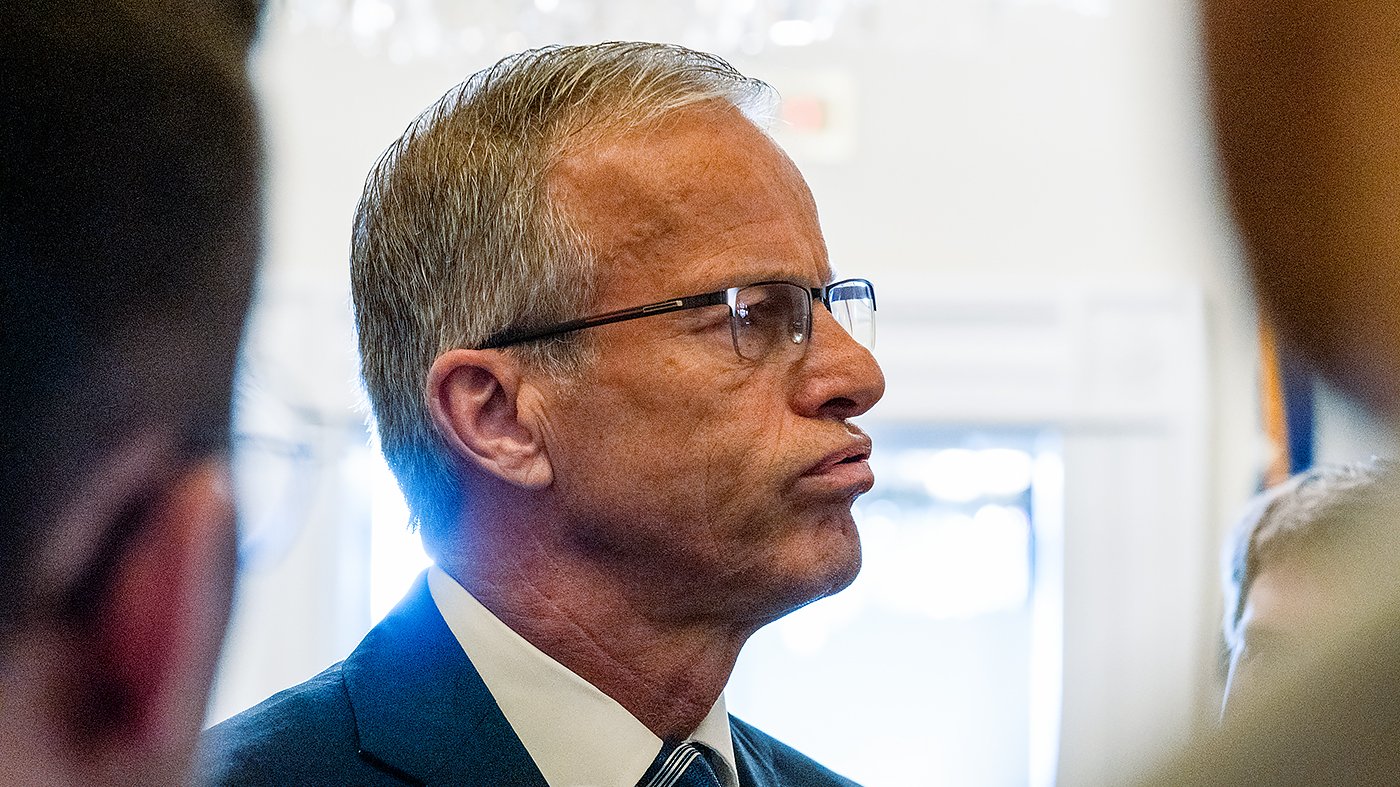
Senate Majority Leader John Thune (R-S.D.) conceded Wednesday that he does not currently have the 50 Republican votes required to advance a budget resolution, undercutting President Trump's urgent push for a spending framework that would fund the ongoing war in Iran and potentially raise the federal debt ceiling.
“We’ll have a more fulsome conversation about that later,” Thune told reporters after Trump this week renewed his demand that the Senate act on a House-approved budget blueprint. “Right now, we don’t have 50,” he added bluntly.
What’s at Stake in the Budget Resolution
Passing the resolution would unlock the reconciliation process, allowing Republicans to push through an emergency spending package via a simple majority vote, bypassing a Democratic filibuster. The proposed package includes $73 billion to support the Iran war effort, $12 billion in aid for farmers, and $10 billion in incentives for states to overhaul election procedures.
Trump took to Truth Social on Tuesday to pressure Senate Republicans to pass the House budget framework before the five-week August recess. “Senator Ron Johnson is working hard with Senate Republican Leadership to adopt a Budget Resolution before the August recess. This is the first step towards getting as much of THE SAVE AMERICA ACT as possible in a Budget Bill, funding our Troops, and helping our Farmers,” he wrote, referencing the Senate Budget Committee chair from Wisconsin.
“I am calling on the Senate to get this critical first step done before the August recess. This Resolution can be adopted at a simple Majority threshold. GET IT DONE!” Trump declared.
Debt Limit Complicates the Calculus
Trump has further complicated the path to passage by demanding the resolution include a provision to raise the debt limit through the end of his presidency. If Democrats reclaim control of either chamber in November, the projected expiration of the debt ceiling next year would hand them a powerful bargaining chip against Trump.
Thune acknowledged that Trump “is keenly interested in” raising the debt limit before Republicans potentially lose control of Congress. But he cautioned that adding such a measure to the reconciliation package would invite stiff resistance from fiscal conservatives in both chambers, who would insist on major spending cuts to offset any increase in borrowing authority.
“We hit it next year,” Thune said of the looming deadline. He noted that the One Big Beautiful Bill Act, passed by Congress last year, included substantial deficit reduction and raised the debt limit by $5 trillion. “Deficit reduction was one of the principal reasons for doing budget reconciliation, which we did last summer. We did entitlement reform for the first time, frankly, really in the time I’ve been here,” he said.
However, agreeing to cuts in popular mandatory or discretionary spending programs just before the midterm election would be a heavy lift for Republicans already facing political headwinds. Meanwhile, Trump's recent threats to escalate against Iran have added urgency to the funding debate, though some GOP members remain wary of the war's cost and scope.
The standoff highlights a growing rift between the White House and Senate leadership over strategy, as Thune struggles to unite his conference behind a plan that satisfies both Trump's demands and the party's fiscal hawks.