Three wildland firefighters lost their lives Saturday in Colorado as a fast-moving wildfire overwhelmed their position, marking the deadliest day of an already severe fire season across the West. Two others suffered burn injuries in what officials described as a burnover, a firefighting term for when flames cut off all escape routes, forcing crews to deploy emergency shelters.
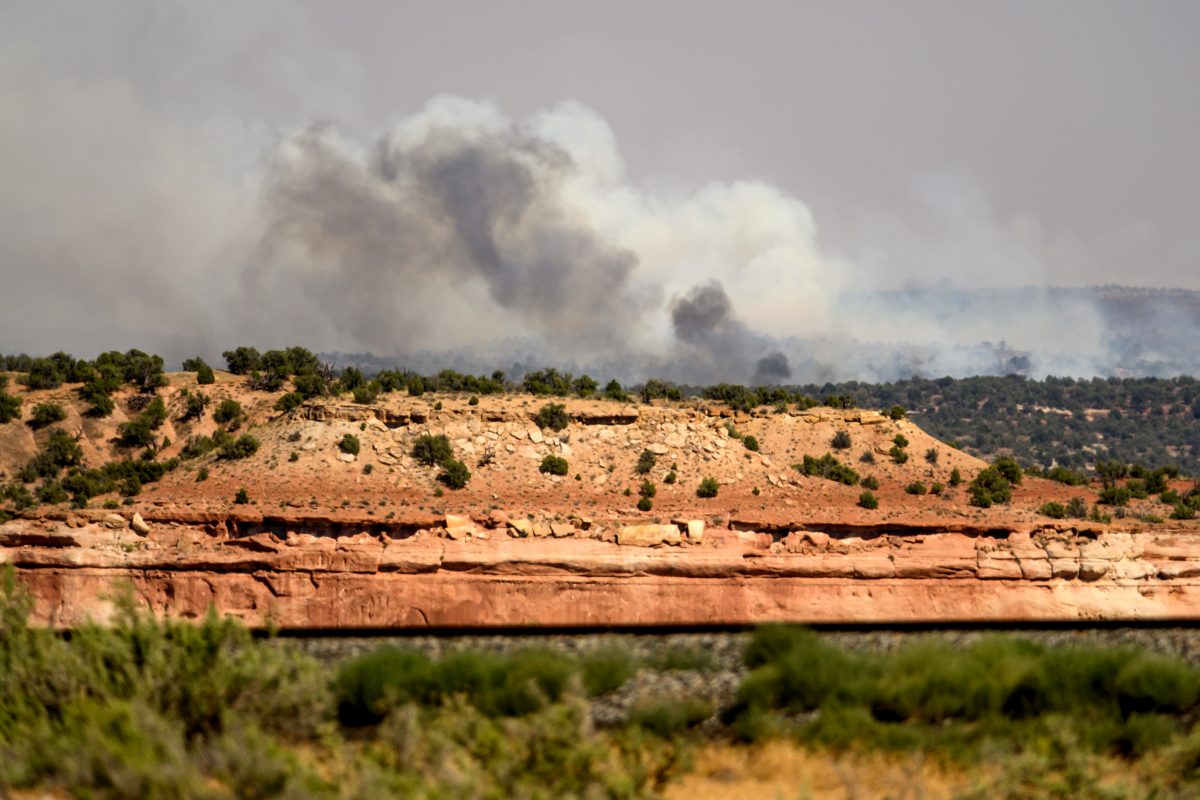
The victims were part of an interagency team from the U.S. Wildland Fire Service and the U.S. Forest Service responding to the Knowles and Gore fires, which merged into the Snyder Fire near the Utah-Colorado border. That blaze has now scorched roughly 44 square miles, according to the Interior Department. The Wildland Fire Service, created earlier this year to centralize firefighting on public lands, said it stands united with the Forest Service in grief and support for the families involved. The names of the deceased have not been released pending notification of relatives.
The National Weather Service warned Sunday that conditions remain critical across the Southwest, especially in the Four Corners region where Arizona, Colorado, New Mexico, and Utah meet. Forecasters said extreme fire behavior is likely along the Utah-Colorado border, with rapid fire growth expected due to blistering heat and gusty winds. In Grand Junction, temperatures hit 93 degrees Fahrenheit on Saturday, with winds reaching 44 mph, fanning flames across arid terrain.
Utah Governor Spencer Cox declared an emergency last week and banned fireworks ahead of the July Fourth holiday, citing an increase in wildfire starts and unprecedented fire behavior that has stretched state resources. Colorado Governor Jared Polis followed suit Saturday, authorizing the use of the National Guard to help fight the blazes. The Mesa County Sheriff’s Office urged evacuations in potential fire paths and asked residents to saturate their land with irrigation water. The Bureau of Land Management closed public access to nearby lands.
The largest fire currently burning is the Cottonwood Fire in southwest Utah, which exploded to more than 146 square miles Sunday, destroying part of a ski resort. Fire crews are using bulldozers to clear brush and trees to starve the flames, but no containment had been achieved by late afternoon. Officials said the cause is under investigation. Cox thanked crews on social media for what he called several miraculous stops and saves.
Utah’s record-low snowpack and warmest winter on record have set the stage for a dangerous fire season, a pattern mirrored across much of the West. The National Interagency Fire Center reported 12 active fires in Utah alone, none contained. Nationally, nearly 4,688 square miles have burned since January 1, exceeding the 10-year average. Fully uncontained fires across Nevada, Arizona, and other desert states total nearly 469 square miles.
In Arizona, a new wildfire south of Grand Canyon National Park moved away from Grand Canyon Village on Saturday, but another fire near Kendrick Mountain prompted evacuation orders from Coconino County officials. The utility serving northern Arizona initiated a safety shut-off to reduce wildfire risk, leaving parts of the region without power. Power was restored to much of Grand Canyon National Park by Sunday. Such shut-offs have become more common across the West as fire risk expands, typically used as a last resort after weighing wind speeds, fuel conditions, and topography.
The deaths of the three firefighters underscore the escalating dangers faced by crews as climate-driven heat and drought intensify wildfires. The interagency response highlights ongoing challenges in coordinating firefighting efforts across public lands, a topic that has drawn scrutiny amid political debates over land management and funding. As the West braces for more extreme weather, officials are urging vigilance and preparedness.