Public universities across Texas have slashed hundreds of courses from their core curricula—or eliminated them entirely—over the past two years, a shift driven by escalating political pressure from conservative lawmakers and state officials.
Texas A&M University has cut 350 core course listings across its system, with many targeting topics like gender and race that have become focal points for Republican criticism. The University of Houston has dropped 133 classes from its core requirements, while the University of Texas at Austin has removed 113.
Professors warn that students are losing access to subjects vital to their career preparation, and some educators are fleeing to private institutions where political interference is less pronounced.
The changes stem from a combination of factors: Governor Greg Abbott appoints the Texas Higher Education Coordinating Board, which oversees all public universities, and a new law, SB 37, mandates that core classes cover "foundational" concepts for workforce and civic readiness. Though no official directive explicitly bans certain topics, universities have moved proactively to drop courses aligned with liberal values, fearing backlash from state lawmakers.
Beyond core curricula, some programs have been shuttered outright. Texas A&M eliminated its women's and gender studies degree program earlier this year, and Texas State University removed a course titled "LGBTQ+ Communication Studies" after public criticism.
In response to these actions, the American Association of University Professors (AAUP) filed a federal lawsuit against Texas Tech University, alleging First and Fourteenth Amendment violations. The suit challenges the university's decision to close academic programs "centered on" sexual orientation and gender identity, following a review process to ensure compliance with state and federal law.
"It's important to note that there is no law in Texas that forbids the teaching of particular content in higher ed classrooms," said Andrew Martin, a professor of drawing and painting and president of the Texas Tech AAUP chapter. "We are hopeful that there will be court decisions that will restore our ability to teach the curriculum as dictated by our expertise, rather than by a political agenda."
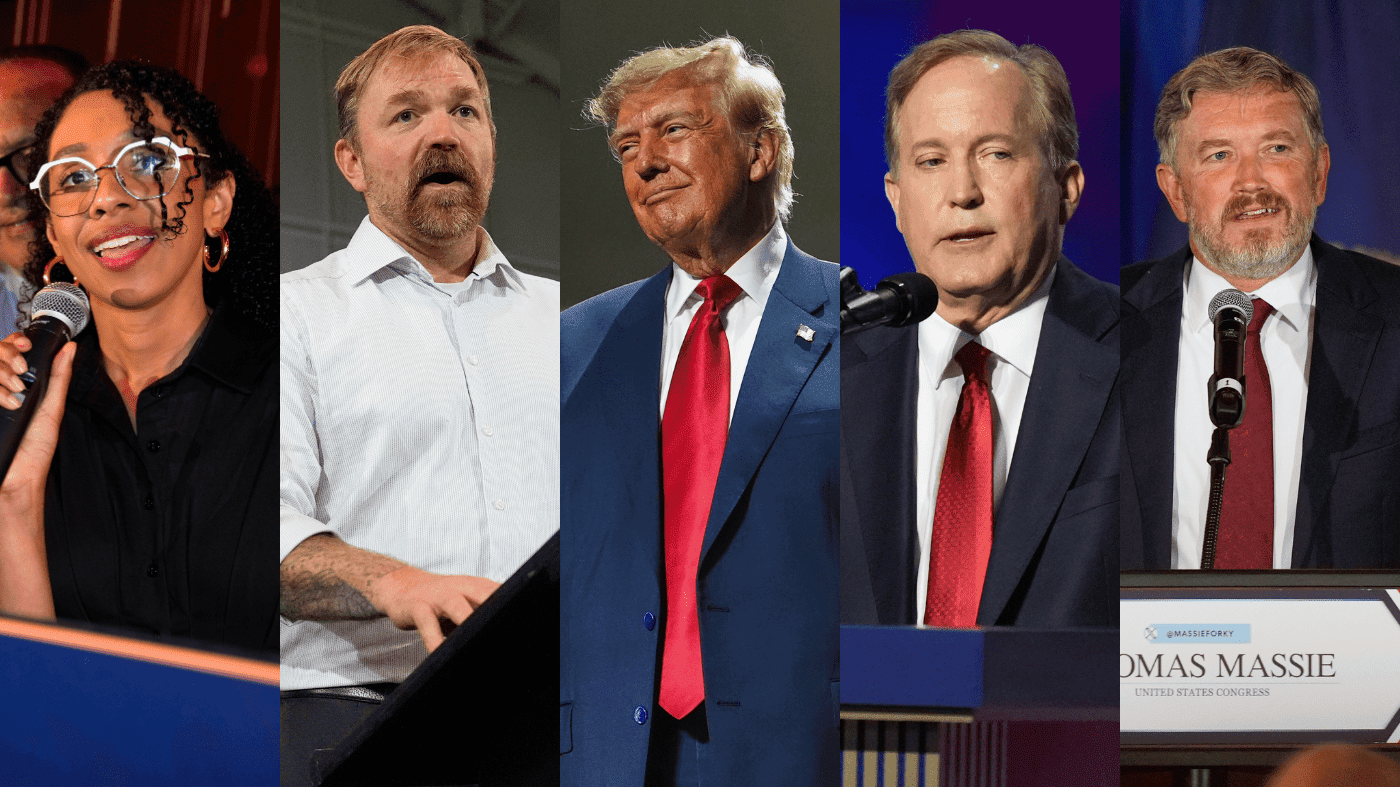
The political backdrop is intensifying as November's elections approach. Democrats are again attempting to flip Texas, but recent polling shows Governor Abbott leading his challenger, Democrat Gina Hinojosa, by 7 points. Texas hasn't elected a Democratic governor in over 25 years, and Abbott is seeking a fourth term.
"I have hope that we could get things changed if we do see a change in Texas politics, including the governor seat and especially the lieutenant governor seat, then we could see some definite changes happen," said Teresa Klein, president of the Texas AAUP-AFT Conference. "The rollbacks that we've seen in curriculum surrounding DEI and other topics, I think that we can always reverse things. The pendulum can always swing back, but will it be easy? No, but will we fight to do that? Sure."
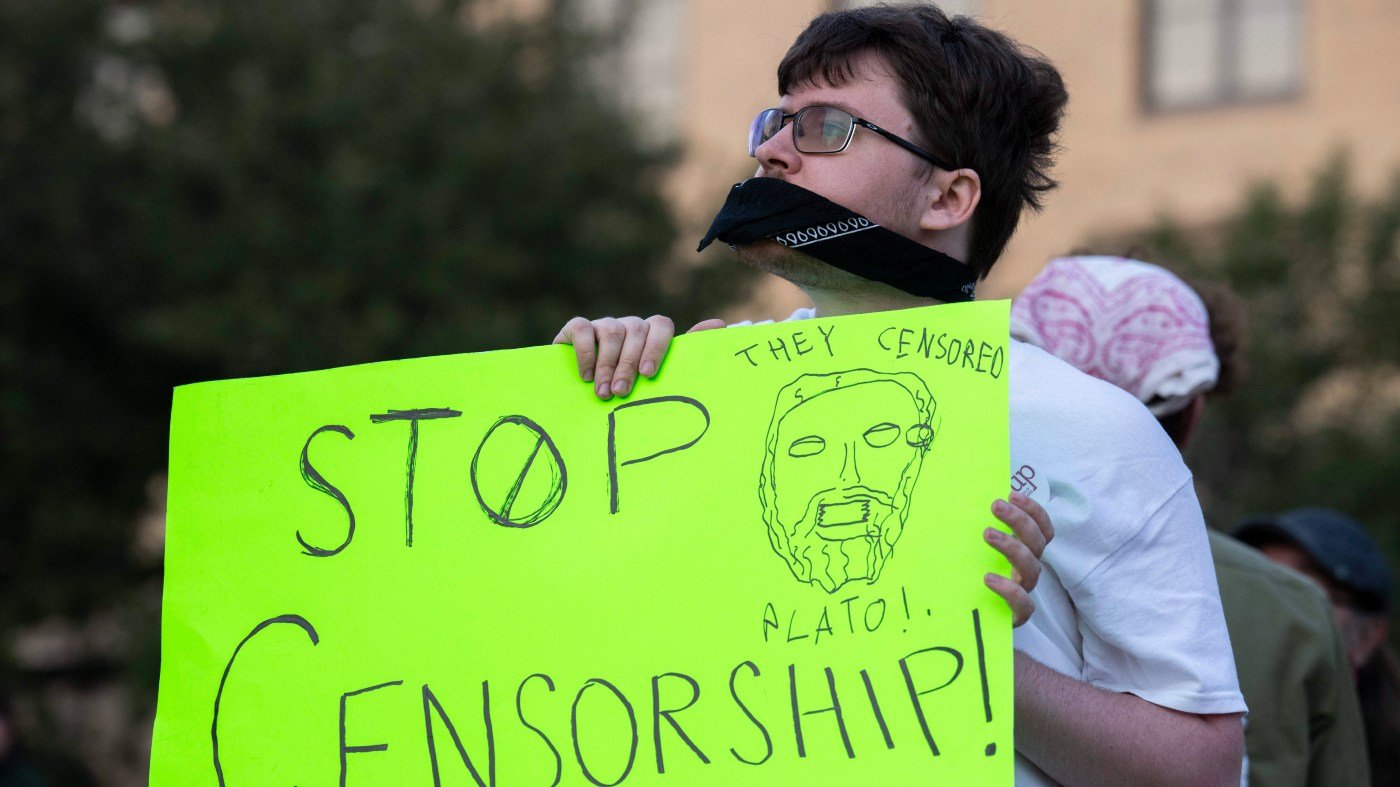
Some professors have already made the leap to private universities. Martin Peterson, now a philosophy professor at Southern Methodist University, left Texas A&M, where he chaired the Academic Freedom Council, after being told he could not teach Plato in his philosophy class. "The culture is very different. I can really breathe fresh air again. I don't have to worry about what elected leaders think or do not think about certain issues. You can talk about climate change. You can talk about slavery. You can talk about Plato. So, I'm very very happy that I managed to find a way out, so to speak," Peterson said.
While enrollment numbers at Texas universities have remained steady through 2024, students have joined faculty in protests against the curriculum changes. The Federal Reserve Bank of Dallas reports that enrollment is holding, but the long-term impact on student interest and retention remains uncertain.
The situation has drawn national attention, with some political observers noting that Texas is a bellwether for conservative education policy. As the November elections approach, the outcome could shape the future of higher education in the state. For now, universities are navigating a minefield of political pressure, legal challenges, and faculty dissent.