Texas AG Targets Athletic Retailer Over Chemical Claims
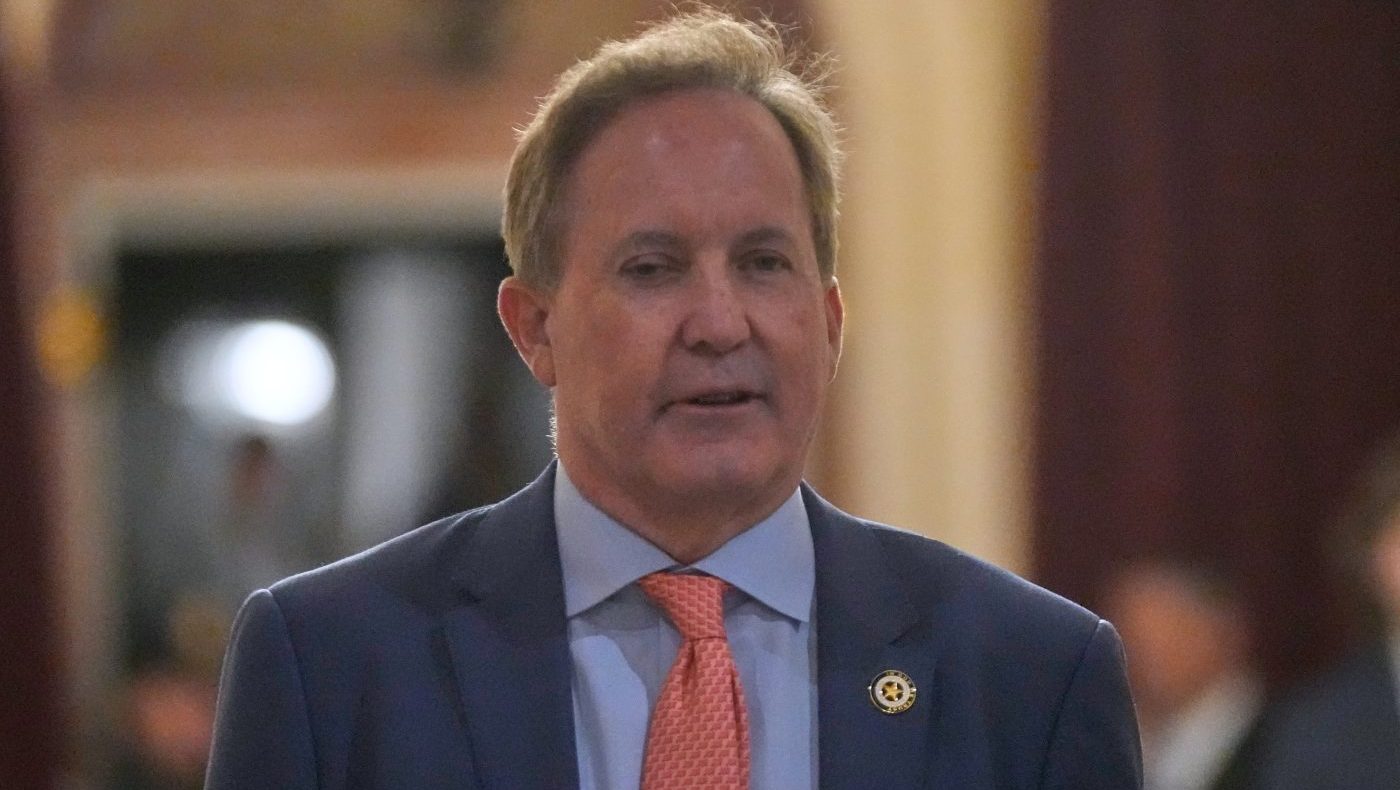
Texas Attorney General Ken Paxton has initiated a formal investigation into athletic apparel retailer Lululemon, questioning whether the company has misrepresented the presence of toxic "forever chemicals" in its products. The Republican attorney general, who is currently competing in a Senate primary runoff against incumbent John Cornyn, announced Monday that his office issued a Civil Investigative Demand to examine potential consumer protection violations.
Examining Claims and Supply Chains
The investigation will scrutinize whether Lululemon's clothing contains per- and polyfluoroalkyl substances (PFAS), a family of synthetic chemicals valued for water and stain resistance but linked to serious health concerns including cancer, immune system damage, and fertility problems. Paxton's office indicated it will review the company's Restricted Substances List, testing protocols, and supply chain practices to determine if marketing claims align with manufacturing realities.

"Americans should not have to worry if they are being deceived when trying to make healthy choices for themselves and their families," Paxton stated. "I will not allow any corporation to sell harmful, toxic materials to consumers at a premium price under the guise of wellness and sustainability. If Lululemon has violated Texas law, it will be held accountable."
Company Response and Timing
Lululemon responded forcefully to the investigation, asserting that it eliminated PFAS from its products in fiscal year 2023. "lululemon does not use PFAS in its products. The company phased out the substance in FY23, which had been used in durable water repellent products," a company spokesperson stated. The retailer emphasized its third-party testing requirements for vendors and said it is cooperating with the Texas investigation.
The probe arrives as Paxton navigates a contentious political landscape, challenging Senator John Cornyn in a Republican primary runoff that has drawn national attention. The investigation earned immediate praise from segments of the conservative base, particularly the Make America Healthy Again (MAHA) movement, which focuses on environmental health concerns. Prominent MAHA activist Alex Clark publicly thanked Paxton on social media for the action against Lululemon.
Environmental Advocates Question Focus
Some environmental policy experts questioned the investigation's priorities, suggesting Texas faces more substantial PFAS contamination issues. "The amount of Lululemon that's sold in Texas is probably a drop in the bucket, compared to how many farms in Texas are spreading biosolids everywhere," said Kyla Bennett, director of science policy at Public Employees for Environmental Responsibility.
Bennett referenced ongoing concerns about PFAS contamination in agricultural biosolids—treated sewage sludge used as fertilizer—that have prompted lawsuits from Texas farmers. "He should be making sure that any biosolids company in Texas has low levels of PFAS in those biosolids before they're spread," Bennett added, highlighting what she views as a more systemic environmental threat.
The investigation unfolds against a backdrop of heightened political activity in Texas, where Paxton has pursued several high-profile legal actions while campaigning. The attorney general recently supported controversial education measures that would incorporate religious texts into public school curricula, and his office has been involved in multiple corporate investigations targeting technology companies.
PFAS chemicals have become a growing regulatory focus nationwide due to their persistence in the environment and human bodies. The Biden administration has taken steps to address PFAS contamination in drinking water, while several states have enacted their own restrictions. Paxton's investigation signals how environmental health issues are increasingly intersecting with consumer protection enforcement and political campaigning, particularly in states like Texas where public health appointments and policies remain contentious political issues.