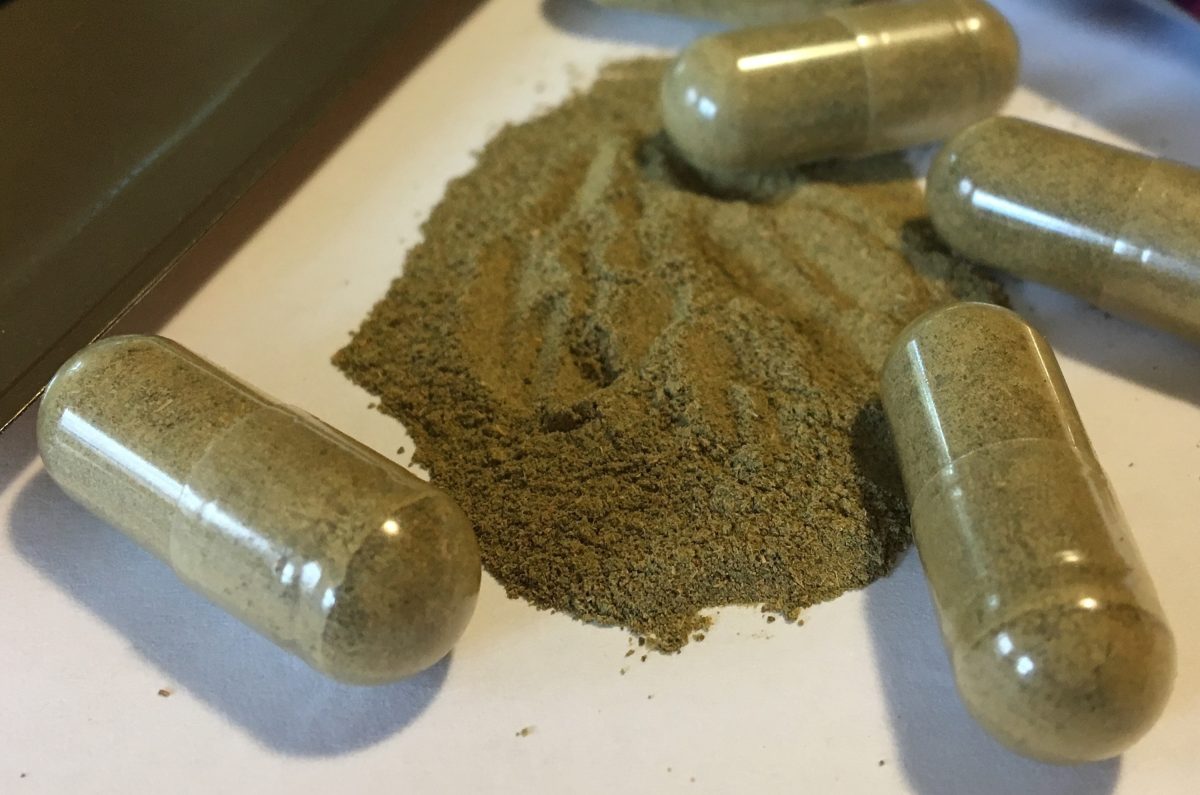
Two more states are moving to outlaw kratom, the herbal supplement that has sparked a fierce debate between regulators and advocates over its safety and potential for abuse. Tennessee and Kansas will both implement bans on the product and its synthetic derivatives by July 1, joining a growing list of states cracking down on what critics call "gas station heroin."
Kratom comes from a tree native to Southeast Asia and belongs to the same botanical family as coffee. Traditionally used to boost energy, relieve pain, and in religious ceremonies, it has gained popularity in the U.S. as an alternative treatment for opioid withdrawal, chronic pain, and mood disorders. But its reputation has become increasingly complicated as synthetic versions of a key compound, 7-hydroxymitragynine (7-OH), have been linked to severe addiction and multiple deaths.

The U.S. Food and Drug Administration has not approved kratom for any medical use. In a 2025 report, the agency warned that 7-OH can be 13 times more potent than morphine, a Schedule II narcotic, and recommended that synthetic 7-OH products be controlled under the Controlled Substances Act. The FDA has not targeted natural kratom leaves, but several states have moved independently.
Tennessee's ban, known as "Matthew Davenport's Law," is named after a 27-year-old who died after combining kratom with a prescription medication. The law makes possession of kratom a misdemeanor and manufacturing or distributing it a felony. The state already regulated the sale of natural kratom and banned synthetic alkaloids, but the new measure goes further.
Kansas, meanwhile, classified 7-OH kratom-related substances as Schedule I controlled substances earlier this year. The ban on sale and possession takes effect July 1. The state's action follows a broader trend: Alabama, Arkansas, Indiana, Vermont, Louisiana, and Wisconsin have already outlawed kratom, and Connecticut and Kansas have classified it as a Schedule I drug.
Not all states are moving toward prohibition. Rhode Island recently became the first state to roll back a kratom ban, instead allowing regulated sales to adults 21 and older at licensed retailers. The synthetic form remains illegal. Rhode Island joins a coalition of 18 states that have passed the Kratom Consumer Protection Act, which sets age restrictions, labeling requirements, and warnings about addictive potential. These states include Oregon, Nevada, Arizona, Colorado, Texas, Florida, and New York.
The American Kratom Association argues that natural kratom is relatively safe and helps people manage pain, anxiety, and fatigue without the risks of opioids. "It really deals with the normal stresses of daily life and the aches and pains related to it," said Mac Haddow, the group's senior fellow on public policy, in an interview with Nexstar's WPRI.
But the FDA and state officials point to mounting evidence of harm. This year alone, multiple states have linked kratom to dozens of deaths. The substance is often sold in gas stations, smoke shops, and online, sometimes alongside products containing tianeptine, which is also called "gas station heroin." Synthetic 7-OH has also earned that nickname due to its potency and addiction risk.
Missouri has launched a statewide investigation into kratom and 7-OH products, while other states are tightening rules on SNAP purchases and dealing with redistricting chaos in Southern states that is reshaping congressional races. Meanwhile, kratom remains legal in more than a dozen states, including Alaska, Hawaii, Washington, Idaho, Montana, and Maine, though the regulatory landscape is shifting rapidly.
As the July 1 bans approach in Tennessee and Kansas, the debate over kratom's risks and benefits shows no sign of cooling. For now, the patchwork of state laws leaves consumers and businesses navigating a confusing legal terrain, with federal action still pending.