The technology sector is experiencing its most aggressive round of job cuts in years, with nearly 90 companies eliminating roughly 82,000 positions in the first quarter of 2026, according to data from the tracking site Layoffs.fyi. That figure is more than double the roughly 30,000 cuts recorded in the same period a year earlier and marks the highest quarterly total since early 2023.
While artificial intelligence is often blamed for these reductions, a closer look suggests the real driver is a massive reallocation of capital. Major tech firms are channeling hundreds of billions of dollars into AI infrastructure—data centers, chips, and research—and trimming payrolls to help pay for it. Andy Challenger, chief revenue officer at Challenger, Gray & Christmas, put it bluntly in a March report: “Companies are shifting budgets toward AI investments at the expense of jobs.”

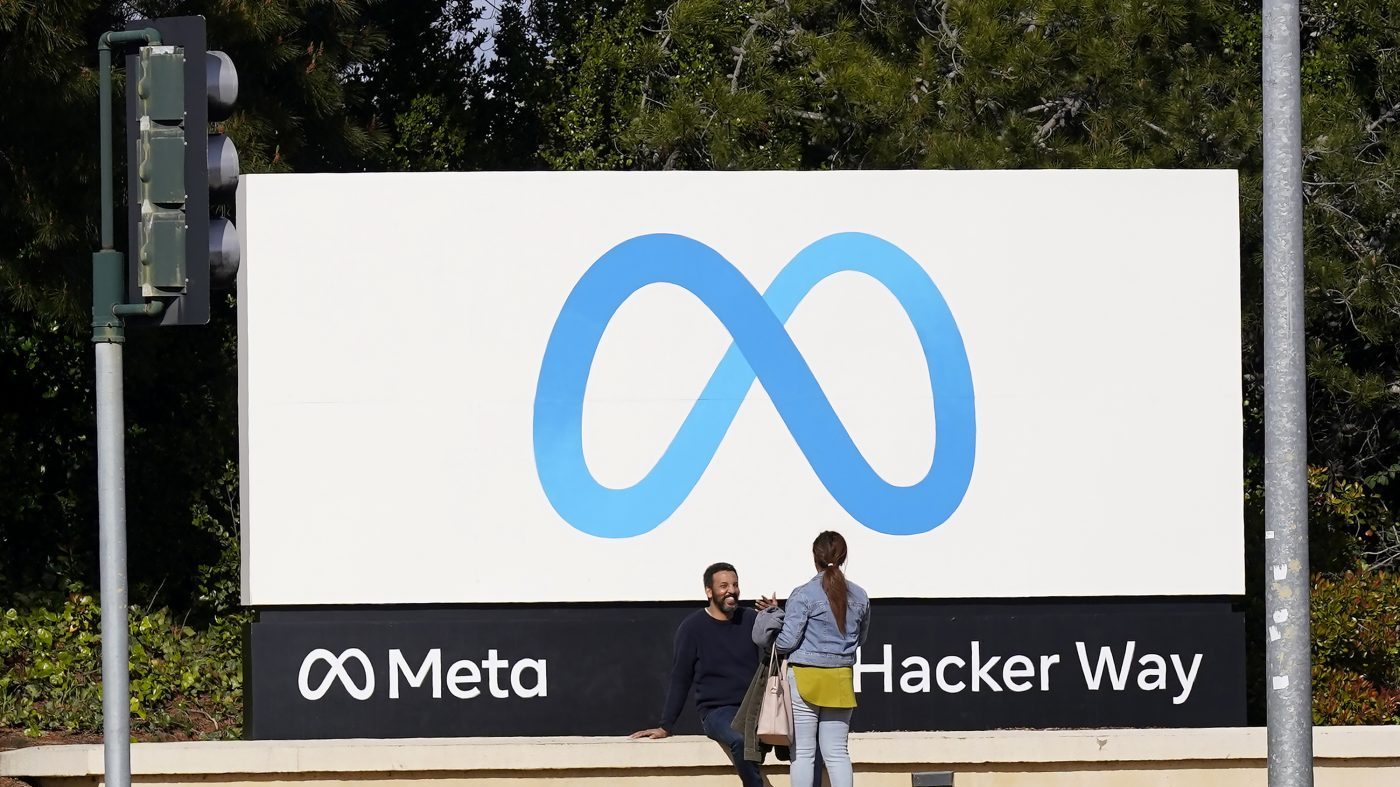
The trend was underscored last week when Meta announced it would cut 10 percent of its workforce, or roughly 8,000 employees, as part of a broader efficiency drive. That same day, Microsoft offered early retirement to thousands of long-serving staff. These moves follow similar actions by Amazon and Oracle, all while AI spending continues to climb.
So far in 2026, AI has been cited as a factor in about 27,600 job cuts, or roughly 13 percent of all planned layoffs, according to Challenger. That is up from around 5 percent in 2025. Yet experts caution that the narrative of AI directly replacing workers is overstated. Instead, the cuts are better understood as part of an AI arms race, where companies prioritize investment in technology over headcount.
Venture capitalist Marc Andreessen recently attributed the wave of layoffs to higher interest rates and what he called a “complete loss of discipline” in hiring during the pandemic. “The hiring binge that companies went on in COVID was just wild,” Andreessen said. “Essentially every large company is overstaffed.” He added that many firms now have a convenient excuse: “Now they all have the silver bullet excuse, ‘Ah, it’s AI.’”
This phenomenon has been dubbed “AI-washing,” as companies exaggerate their AI adoption to appear innovative to shareholders while masking past overhiring mistakes. The strategy blurs the line between genuine technological transformation and a cyclical correction in the labor market.
Evidence of widespread job losses directly caused by AI remains thin, though that could change in the years ahead. According to Challenger, AI is only the fifth most common reason for job cuts so far in 2026, trailing factors like market conditions, restructuring, and closures. For workers, the story cuts both ways: jobs may be lost to fund AI even if the technology isn’t yet replacing them, which also suggests that the recent layoffs may be more cyclical than a sign of permanent obsolescence. The broader trend mirrors a growing divide in how executives and employees perceive AI’s impact, as explored in a recent analysis of AI's executive-employee divide.