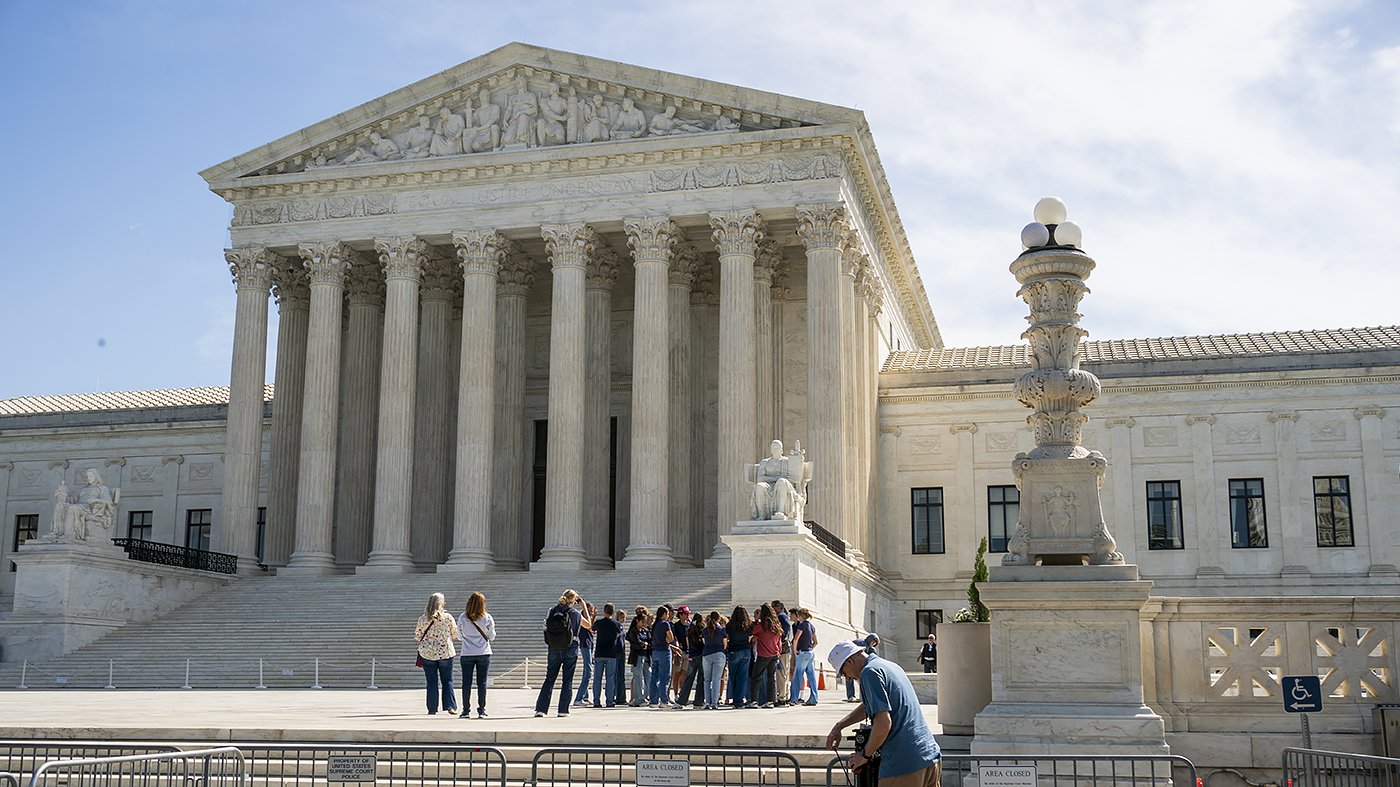
The Supreme Court is set to hear oral arguments Monday in a case that could reshape how law enforcement conducts digital-age investigations, weighing whether geofence warrants—a tool that forces companies to disclose cellphone location data tied to a particular time and place—run afoul of the Fourth Amendment's prohibition on unreasonable searches and seizures.
The case centers on the 2019 robbery of a credit union in the Richmond, Virginia suburbs. Investigators, who had security footage showing a suspect using a cellphone, obtained a geofence warrant from Google. The warrant, approved by a judge, covered roughly 17.5 acres and a two-hour window—extending well beyond the credit union itself. Google turned over anonymized location data, which led to the arrest of Okello Chatrie. He later pleaded guilty but reserved the right to challenge the evidence.
Civil liberties groups argue the warrant amounts to a modern-day version of the general warrants the Founders sought to ban. Greg Nojeim, senior counsel at the Center for Democracy and Technology, described the tool as a “reverse warrant” that “turns the Fourth Amendment upside down.” Instead of targeting a specific suspect, he noted, law enforcement demands that a company “identify the suspect for us.”
Chatrie’s legal team contends the constitutional issue is not novel. “The Fourth Amendment was born of the Founders’ revulsion for general warrants and writs of assistance—instruments that allowed the government to search first and develop suspicions later,” they wrote in their petition. “A geofence warrant operates on precisely that principle.”
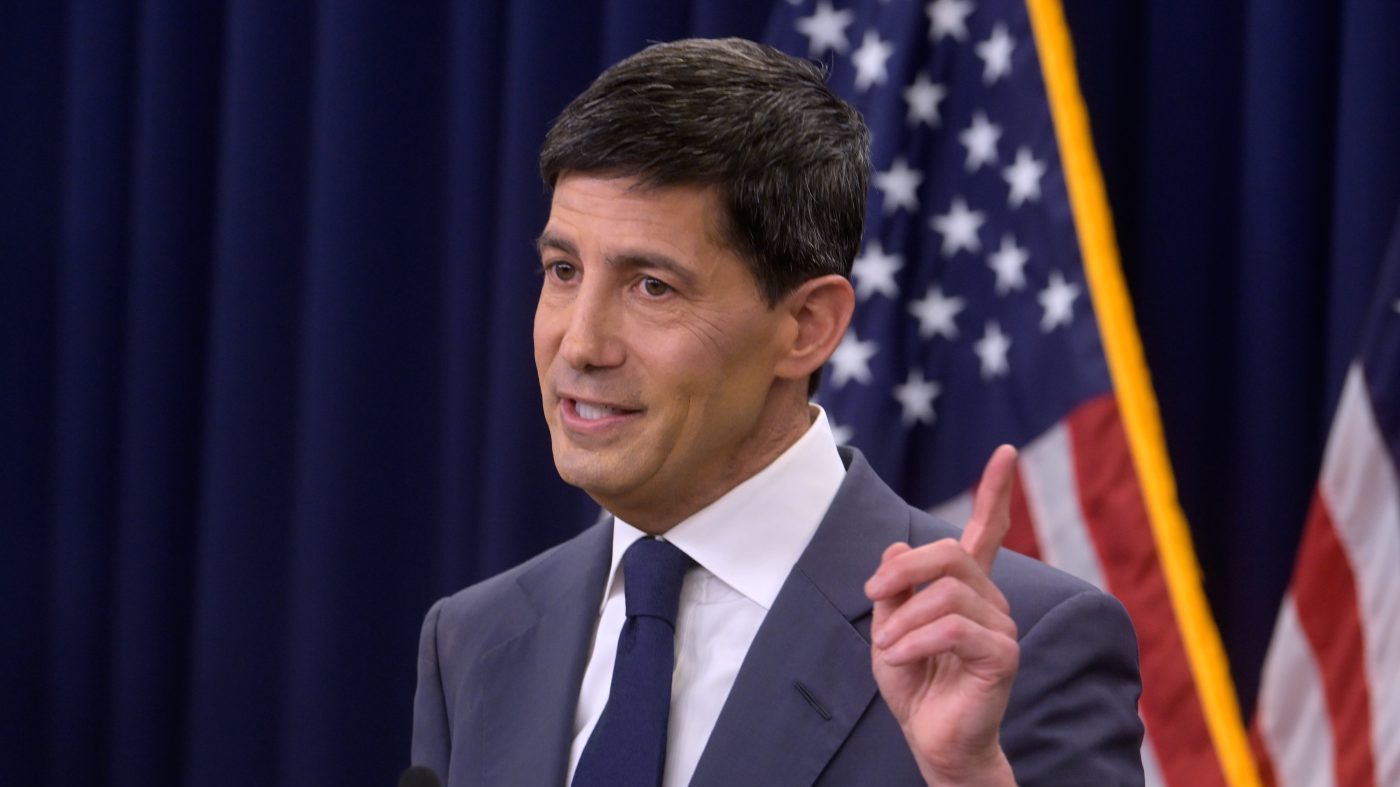
The Trump administration, backed by 31 states and the District of Columbia, argues that Chatrie consented to Google collecting his location data and that the warrant was valid. Solicitor General D. John Sauer warned that upholding Chatrie’s view would bar law enforcement from ever obtaining such data with a warrant, “stifle developments in such evolving areas of law” and “handicap the investigation of major crimes.” The states, in a friend-of-the-court brief, hailed geofence warrants as “an important investigative tool” where traditional methods fall short.
A lower court found the warrant lacked probable cause but admitted the evidence under a good-faith exception, a ruling upheld by a divided Fourth Circuit. The Supreme Court now must decide whether the Fourth Amendment requires a more specific showing before police can sift through location data from hundreds or thousands of innocent bystanders.
Geofence warrants have exploded in use. Google received nearly 1,000 requests in 2018, over 11,000 by 2020, making up more than a quarter of all U.S. law enforcement demands. They were heavily employed in the Justice Department’s January 6 prosecutions, where a single warrant on Google for a 4.5-hour period during the Capitol attack yielded 5,723 unique devices.
Google changed its data storage policies in 2023, limiting its ability to respond to geofence warrants. But Nojeim said the ruling will still affect “reverse warrants” broadly, as other apps collect similar location data. “Normally, people understandably believe that their privacy is intact if they’re not doing anything wrong,” he said. “These warrants defeat that expectation. All you have to do is be near the place where someone else did something wrong for your data to be collected.”
The case arrives as the Court has increasingly grappled with digital privacy, including in a Mississippi redistricting dispute and a federal appeals court ruling on Trump's asylum ban. A recent poll found 57% of Americans believe the Court avoids rulings Trump would defy, underscoring the political stakes. Arguments begin at 10 a.m. ET.