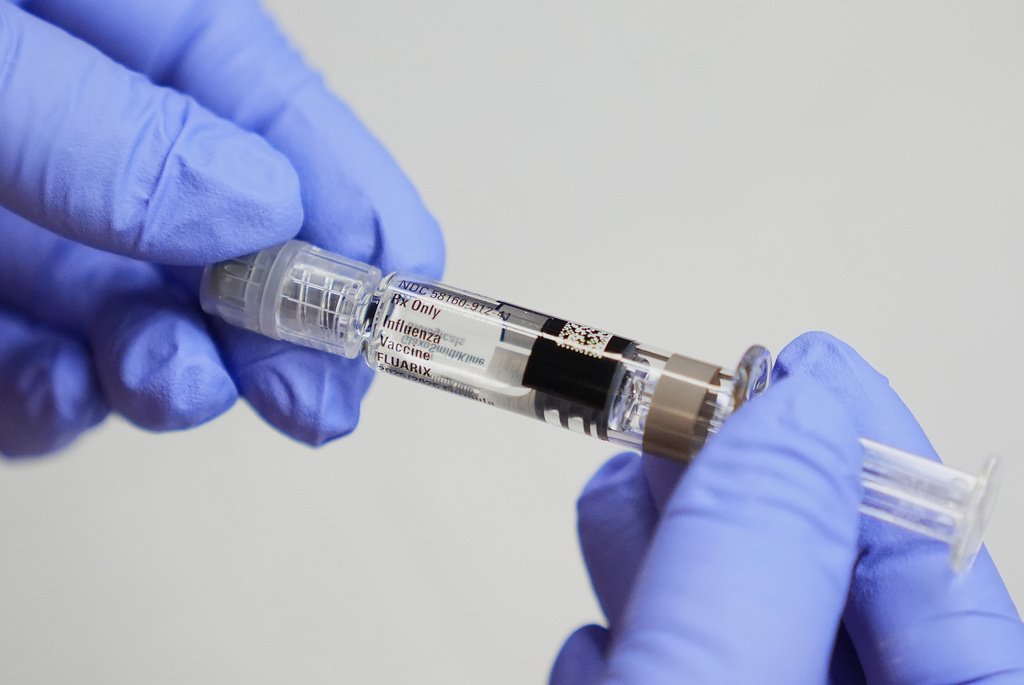
Military readiness is built on discipline, leadership, and evidence-based prevention—not optional choices, argues Dr. Richard Carmona, a former U.S. Army special forces veteran and the 17th U.S. surgeon general. In a sharp critique of current Pentagon proposals, Carmona contends that making vaccination optional represents a fundamental misstep that could degrade the fighting force.
Carmona, who served in combat and later led the nation's public health efforts, stresses that preventable threats—whether from disease or enemy fire—can cripple a unit. He warns that the recent push to weaken public health mandates reflects a distorted view of prevention's role. Instead of retreating from science, he calls for better communication and leadership to rebuild confidence.
Historical Precedent: Washington's Smallpox Inoculation
The principle of mandatory health protection is not new, Carmona notes. During the Revolutionary War, General George Washington ordered mass smallpox inoculations for the Continental Army in 1777—a controversial but scientifically grounded decision. Historians credit this move with preserving the force that secured American independence. Carmona frames this as an enduring military tradition: health protection through science-based prevention is as essential as weapons maintenance or physical training.
Infectious disease, he argues, does not respect ideology or rank. It exploits gaps in preparedness and spreads where discipline falters. Making prevention optional, he warns, accepts avoidable risk and compromises readiness without firing a single shot.
Trust and Leadership Under Fire
Military leaders are entrusted with the lives of those they command. That trust demands decisions rooted in science and experience. Carmona argues that optional vaccination undermines this trust, placing service members in unnecessary harm's way. He points to the broader implications for national security, noting that readiness delayed is readiness denied.
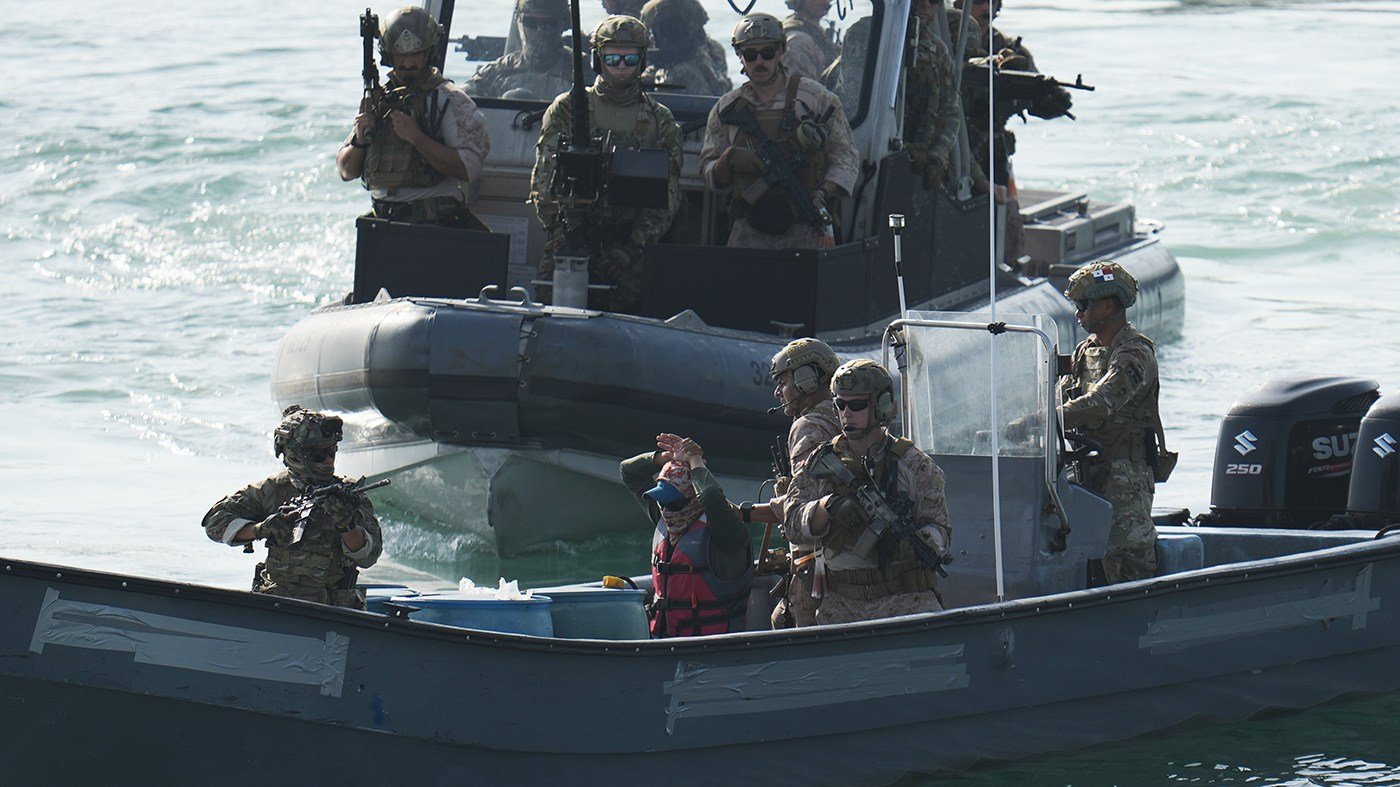
The debate comes amid broader geopolitical tensions. For instance, ongoing conflicts like the Iran war have drained U.S. missile stockpiles, raising concerns about defense readiness in regions like Taiwan. Meanwhile, policy battles in Congress, such as the Senate GOP's push to fund the Department of Homeland Security amid shutdown threats, highlight the complex landscape facing military leaders.
Carmona's call to 'stand the watch for prevention' echoes a core military ethos: the threats we can prevent are the ones we must take most seriously. Failure to do so, he concludes, is not an act of freedom but an abdication of leadership.
The Pentagon's proposals, if enacted, would mark a significant shift from decades of mandatory vaccination policies that have protected troops from outbreaks. As Carmona puts it, the best military in the world requires a disciplined approach to prevention—not optional compliance.