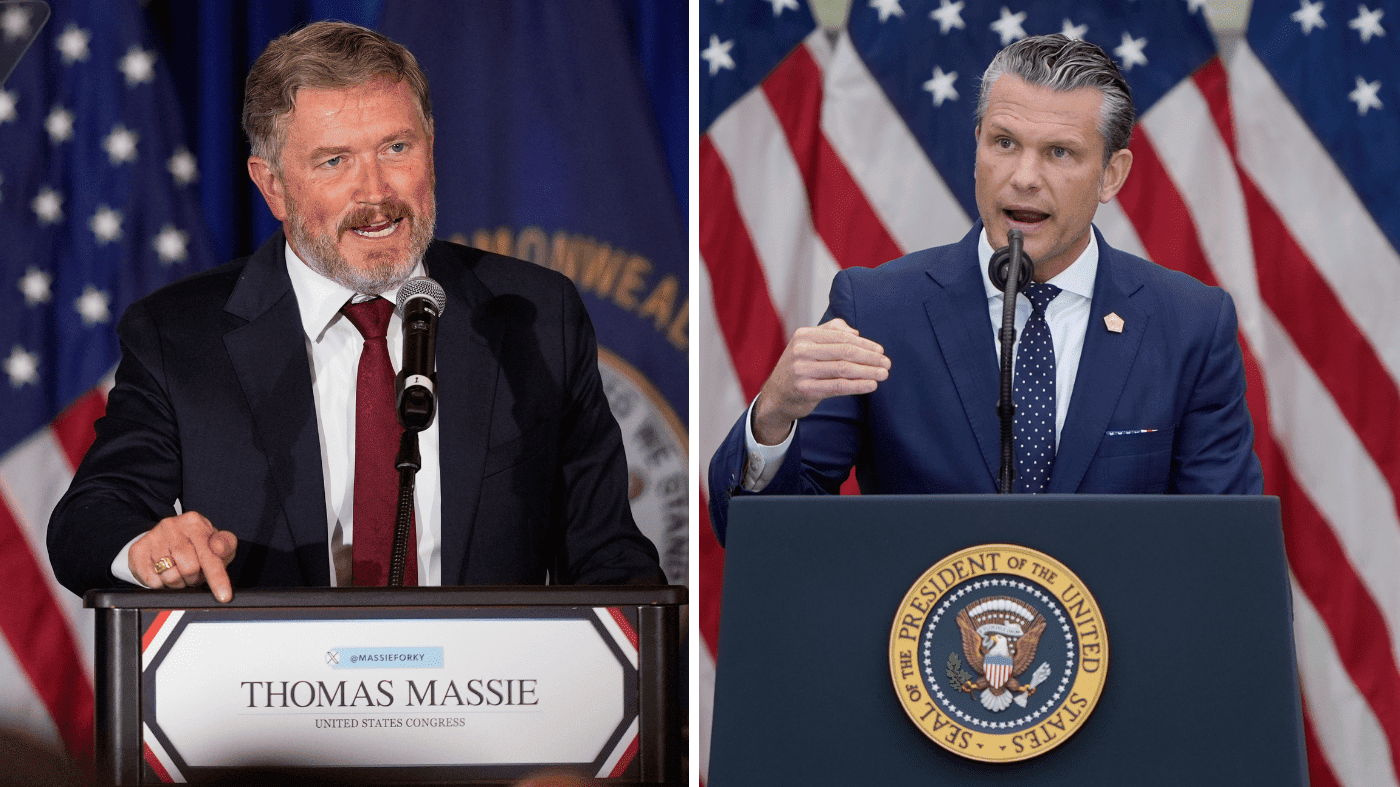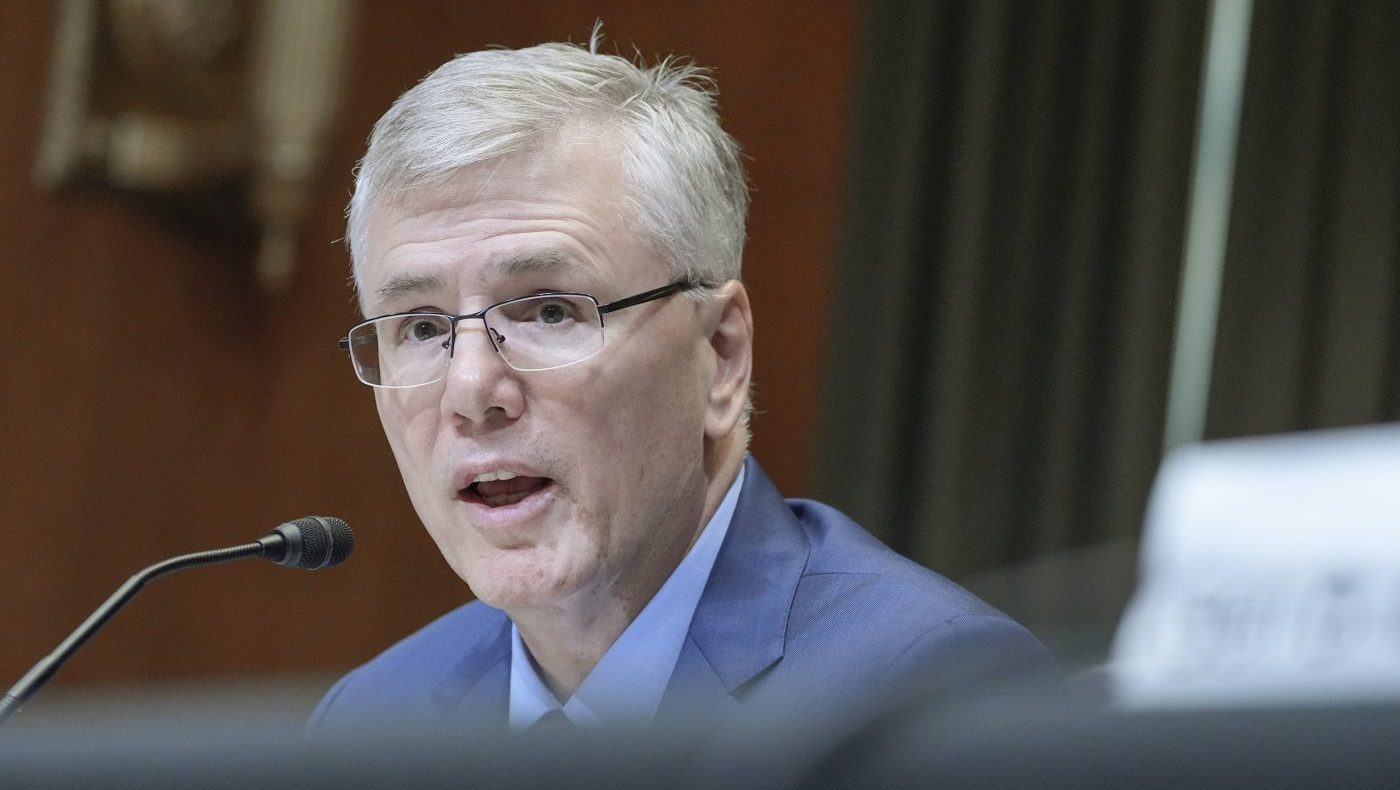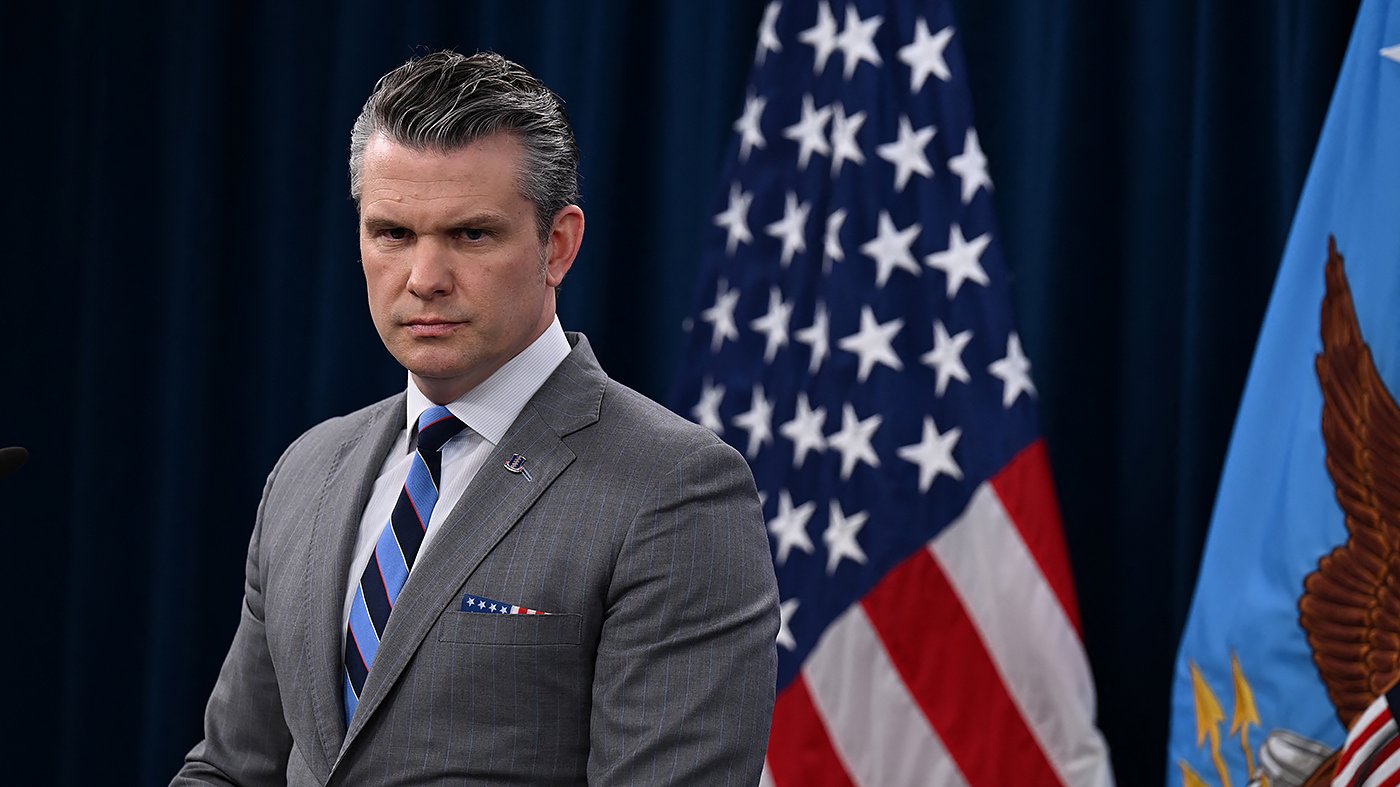
A growing faction of Senate Republicans is expressing deepening doubts about Defense Secretary Pete Hegseth's stewardship of the Pentagon, with several GOP lawmakers indicating they would prefer to see him leave the post—though they acknowledge the decision ultimately rests with President Trump.
Speaking on condition of anonymity, multiple Senate Republicans told The Hill that Hegseth would likely fail to secure confirmation if he were nominated today, pointing to persistent turmoil among senior Pentagon staff as a primary concern. The unease has been building for months but reached a new intensity following a series of high-profile personnel moves.
Key Personnel Decisions Spark Backlash
Republican defense hawks on Capitol Hill were particularly alarmed by reports that Hegseth pressured Army Chief of Staff General Randy George to resign in early April. The move stunned many lawmakers who hold George in high regard. Just days later, Hegseth fired Navy Secretary John Phelan, a decision that caught key senators off guard.
One GOP senator, who requested anonymity, noted that questions about Hegseth's management experience have lingered since his confirmation. His unconventional and often brash leadership style has also raised eyebrows. But the senator said confidence has eroded further as Hegseth has clashed with senior military leaders who maintain strong ties to policymakers on Capitol Hill.
“The hollowing out of incredible leadership at the Pentagon has been a big concern,” the senator said. “It really came to a tipping point when Gen. George was dismissed.”
Friction with Army Secretary Adds to Tensions
Hegseth's ongoing feud with Army Secretary Dan Driscoll—a longtime friend and aide to Vice President Vance—has further irritated Republicans. Driscoll is widely respected in the conference, and his strained relationship with Hegseth has become a flashpoint.
Senator Thom Tillis (R-N.C.), who cast a pivotal vote for Hegseth during his confirmation, expressed serious reservations. “I think he's missing the mark on personnel. He has separated some of the most extraordinary generals that we've had in play. I don't quite know what's going on there,” Tillis said.
Tillis questioned whether Hegseth, who previously led small infantry units in the Minnesota Army National Guard, has the skills to manage the vast Defense Department. “Now he's got an organization that's much larger, much more complex than anything he's done,” Tillis added. “I think he's making some less-than-ideal personnel decisions.”
He went further, saying Hegseth is “displaying the exact lack of experience” that undermined former Homeland Security Secretary Kristi Noem. “There's no question he's got a failing grade” on technical and managerial skills, Tillis concluded.
Pentagon Defends Changes
Chief Pentagon spokesman Sean Parnell defended Hegseth's approach, saying the secretary does not comment on individual departures out of respect for uniformed officers. However, Parnell stressed that reforming the sprawling Defense Department requires changes in senior leadership. “We all serve at the pleasure of the President—and the President and the Secretary deserve officers who fully and expeditiously embrace the priorities, policies, and objectives of this Administration,” Parnell said in a statement.
He added: “It is extremely difficult to reform a department—particularly a department the size of DoD—with the same personnel who were a part of previous priorities. Necessary changes have been made and will continue to be made.”
Senior Republicans Voice Discontent
Senator Joni Ernst (R-Iowa), chair of the Senate Armed Services Subcommittee on Emerging Threats and Capabilities, called George's dismissal a mistake. “He's probably one of the finest officers the United States Army has ever produced. It was a mistake for Secretary Hegseth to dismiss him,” Ernst said, adding she was not briefed on the reasoning.
Senator Mike Rounds (R-S.D.), who chairs the cybersecurity subcommittee, said Phelan's firing came as a “surprise,” especially since Phelan had been scheduling meetings with key lawmakers ahead of the National Defense Authorization Act. “We're assuming he was simply making house calls to touch base with all of us,” Rounds noted.
The growing discontent on Capitol Hill underscores the fragility of Hegseth's position and the broader challenges facing the Trump administration's defense agenda. With midterm elections approaching and bipartisan scrutiny intensifying, the question of who truly leads the Pentagon remains unsettled.