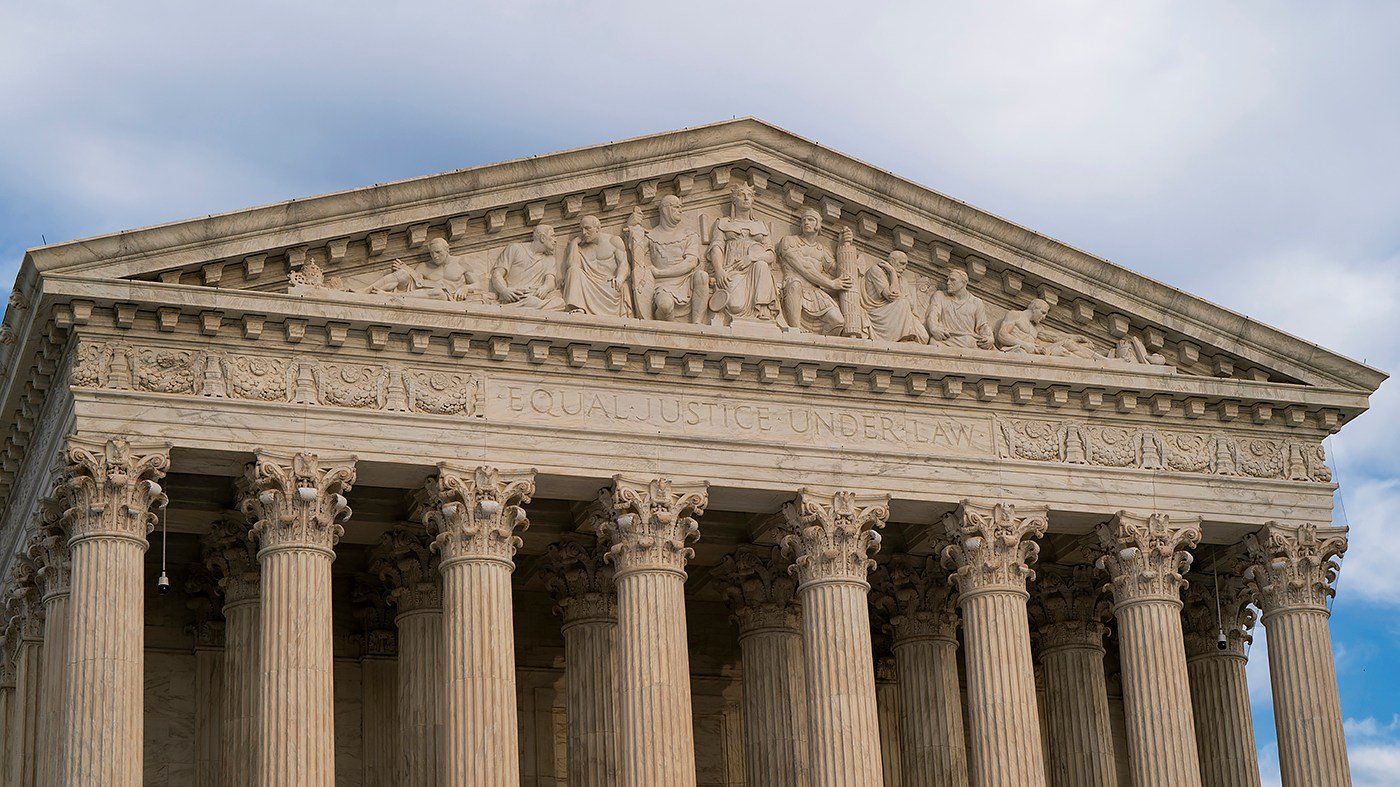
The Supreme Court has agreed to hear a case that could determine whether undocumented immigrants who have lived in the United States for years are subject to mandatory detention or can seek release on bond. The case, involving Brazilian national Ricardo Aparecido Barbosa da Cunha, who entered the U.S. without inspection two decades ago, pits the Trump administration's aggressive enforcement stance against a lower court ruling that limits the reach of mandatory detention.
At issue is a provision of federal law that requires detention for any alien "seeking admission" who is not "clearly and beyond a doubt entitled to be admitted." The government argues that because Barbosa da Cunha has never been legally admitted, he is legally deemed an "applicant for admission" under the Immigration and Nationality Act, and thus must be detained pending removal proceedings.
However, the Second Circuit Court of Appeals disagreed, ruling that an individual who is not actually "seeking admission" at a port of entry cannot be considered an applicant for admission, even if they have been living in the U.S. illegally. The court noted that previous administrations for 30 years did not apply mandatory detention to such long-term residents, and that the plain text of the law does not support the government's interpretation.
The government's position was bolstered by a September 2025 ruling from the Board of Immigration Appeals in Matter of Yajure Hurtado, which held that mandatory detention applies to all unadmitted aliens, regardless of how long they have been in the country. The administration argues that detention ensures immigrants show up for their removal hearings, pointing to data showing that more than half of all removal orders in fiscal 2026 were issued in absentia.
Judge Steven Menashi of the Second Circuit, in a dissent from the denial of rehearing, wrote that while it is "true that unadmitted illegal aliens are not actually applying for admission," Congress created a legal fiction that treats them as "constructive applicants for admission." This interpretation, he argued, aligns with the intent of the Illegal Immigration Reform and Immigrant Responsibility Act of 1996, which sought to eliminate the advantage that illegal entrants had over those who lawfully sought admission at the border.
The case has drawn attention from immigration hawks and civil liberties advocates alike. Supporters of the administration's position argue that allowing bond for long-term undocumented immigrants would incentivize illegal entry and undermine border security. Critics counter that the Second Circuit's ruling is more faithful to the text of the law and that mandatory detention without a hearing violates due process.
The Supreme Court's decision, expected next term, could have sweeping consequences. If the Court sides with the government, it would empower immigration authorities to detain any undocumented immigrant found in the U.S., regardless of their ties to the community or length of residence. That could strain detention facilities and exacerbate the already massive immigration court backlog, which now exceeds three million cases.
If the Court upholds the Second Circuit, it would preserve the ability of long-term undocumented immigrants to seek release on bond while their cases proceed, a practice that many immigration judges have supported. The outcome is likely to hinge on the Court's interpretation of the statutory language and its willingness to defer to the executive branch's enforcement priorities.
Observers note that the Court's recent conservative majority has shown a willingness to uphold strict immigration enforcement measures. However, the case also involves questions of statutory interpretation and administrative deference, which could cut either way. The Court is expected to hear oral arguments in the coming months, with a decision likely by the end of the term.