The push for faster infrastructure development has reached a critical juncture in Congress, but the proposed permitting reform package threatens to dismantle a cornerstone of American environmental policy. At stake is the Endangered Species Act (ESA), a law that has safeguarded the nation's wildlife for over five decades. The current debate presents a false choice: that we must weaken environmental safeguards to build the energy, housing, and transportation systems a growing economy demands.
Proponents of the bill argue that streamlining consultations and reducing regulatory burdens will accelerate projects. However, a recent analysis of nearly 90,000 consultations under the ESA found that not a single project was halted or significantly altered due to jeopardy findings. The typical informal consultation takes about two weeks, while formal ones average two months. These are not the delays that are stalling America's infrastructure.
The Real Barriers to Building
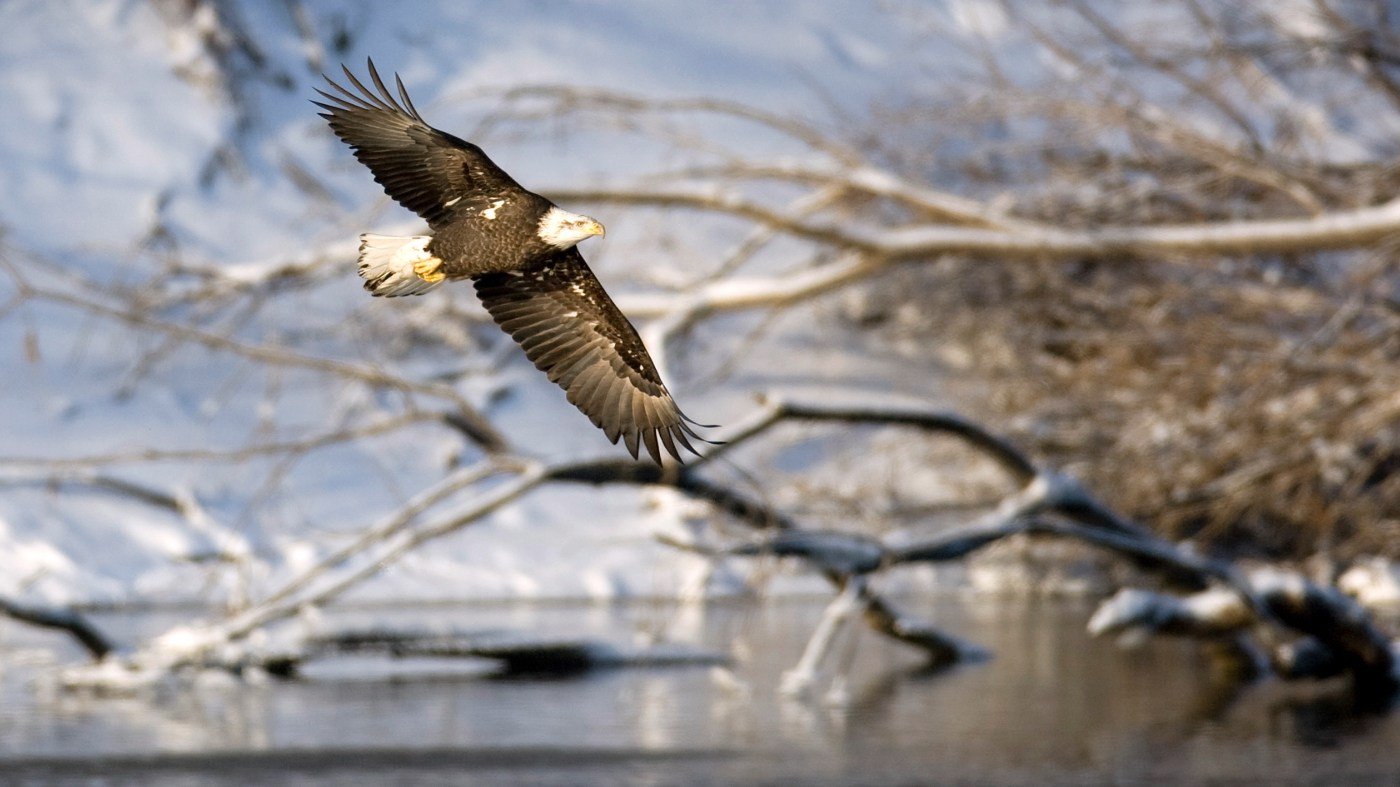
The genuine obstacles to development are not the ESA's consultation requirements but rather interagency coordination, underfunded wildlife agencies, and overlapping regulations. Congress should focus on improving agency collaboration, providing adequate staffing and resources, and identifying low-conflict zones for large-scale projects. These reforms would accelerate permitting without sacrificing the protections that have kept species like the bald eagle and gray wolf from vanishing.
Yet the Senate bill takes a different route. It proposes to delegate critical consultation duties to individual states, which are more susceptible to political pressures and less equipped to manage species that cross state lines. This shift undermines the federal role in protecting wildlife for all Americans, not just those in a particular state.
A Political Bargain with High Costs
The administration has already taken steps to weaken the ESA, including a controversial interpretation that habitat destruction does not constitute 'take' under the law. This defies common sense: destroying the habitat an animal needs to feed, breed, and survive is as lethal as a direct kill. Now, the permitting bill would codify these rollbacks, making them harder to reverse.
The political calculus is baffling. Democrats negotiating this package are handing Republicans a victory on a policy they have long sought to dismantle, even as public outrage has previously stymied such efforts. With the possibility of Republicans gaining control of both chambers, this concession is not just unnecessary—it is strategically shortsighted.
Protecting What Cannot Be Replaced
The United States is a vast nation of billions of acres. It is entirely possible to build the infrastructure we need while preserving the natural heritage that defines us. Clean energy and wildlife, housing and habitat, infrastructure and healthy ecosystems are not mutually exclusive. The ESA is not an obstacle to progress; it is a tool for responsible progress.
As Congress debates this legislation, it should remember the bipartisan spirit that created the ESA in 1973. Wildlife is part of our shared inheritance, and we have a duty to prevent extinction. The Endangered Species Act must not be used as a bargaining chip in permitting reform. We can build the future America needs without sacrificing the natural world we cherish.