The Supreme Court announced Monday that it will release all remaining opinions from its current term on Tuesday, setting up a high-stakes day with rulings expected on President Trump's birthright citizenship executive order, state-level bans on transgender athletes in school sports, and a campaign finance dispute.
Chief Justice John Roberts informed the public at the close of Monday's session that the court would hand down the final decisions starting at 10 a.m. EDT Tuesday.
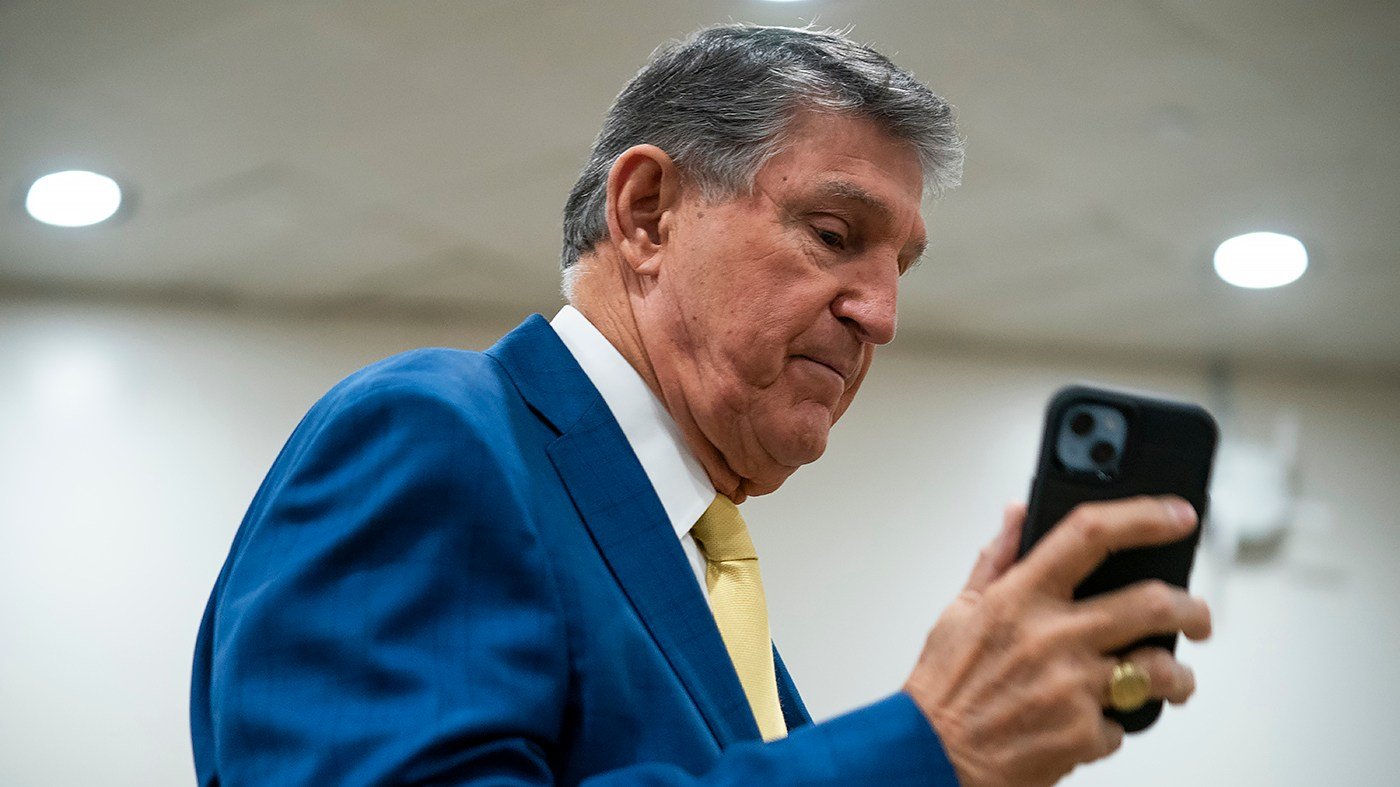
Birthright Citizenship Under the 14th Amendment
The most politically charged case involves Trump's effort to restrict birthright citizenship, a cornerstone of his immigration agenda. The president's executive order, currently blocked by lower courts, would limit automatic citizenship to children born in the U.S. who have at least one parent who is a citizen or legal permanent resident.
The case tests the boundaries of the 14th Amendment, which guarantees citizenship to all persons born on U.S. soil and "subject to the jurisdiction thereof." Traditionally, this has been interpreted to allow only narrow exceptions, such as children of foreign diplomats or those born on enemy warships.
Trump, who attended oral arguments in the case, expressed pessimism about the outcome. "They'll probably rule against me, because they seem to like doing that," he told reporters in the Oval Office last month.
The Supreme Court has recently expanded presidential removal authority, as seen in a ruling that gave Trump sweeping power to fire independent agency officials, but this case could test the limits of executive power over constitutional rights.
Transgender Athlete Bans in School Sports
The justices will also weigh in on the national debate over transgender participation in school sports, ruling on laws from Idaho and West Virginia that bar transgender athletes from competing on girls' and women's teams. Idaho was the first state to enact such a ban in 2020, and more than two dozen others have followed.
Transgender athletes argue that these restrictions violate the 14th Amendment's equal protection clause by discriminating based on sex and gender identity. One athlete also contends the bans conflict with Title IX, the federal law that has been key to expanding women's sports opportunities.
Campaign Finance and Party Coordination
The third major case centers on a GOP-led challenge to a campaign finance rule that limits how much money candidates can spend in coordination with their political party. The plaintiffs, including then-Sen. JD Vance (R-Ohio), the National Republican Senatorial Committee, and the National Republican Congressional Committee, argue the provision infringes on First Amendment free speech rights.
Tuesday's rulings will cap a term that has already seen significant decisions on issues such as states' rights to count mail ballots after Election Day and gun rights for marijuana users, reflecting the court's ongoing influence on American political and legal landscapes.