The Supreme Court's recent decision to permit the redrawing of congressional districts after midterm primary voting had already commenced has triggered a political firestorm, with accusations of corruption, racial discrimination, and a loss of judicial impartiality dominating the discourse.
At the heart of the controversy is a question that has Washington buzzing: Was this a coordinated effort by a majority of justices, or just a handful of conservatives? For Democrats, the answer is clear. They see outright corruption on the bench, with some suggesting that multiple justices have abandoned neutrality to bolster President Trump's efforts to maintain a Republican House majority.
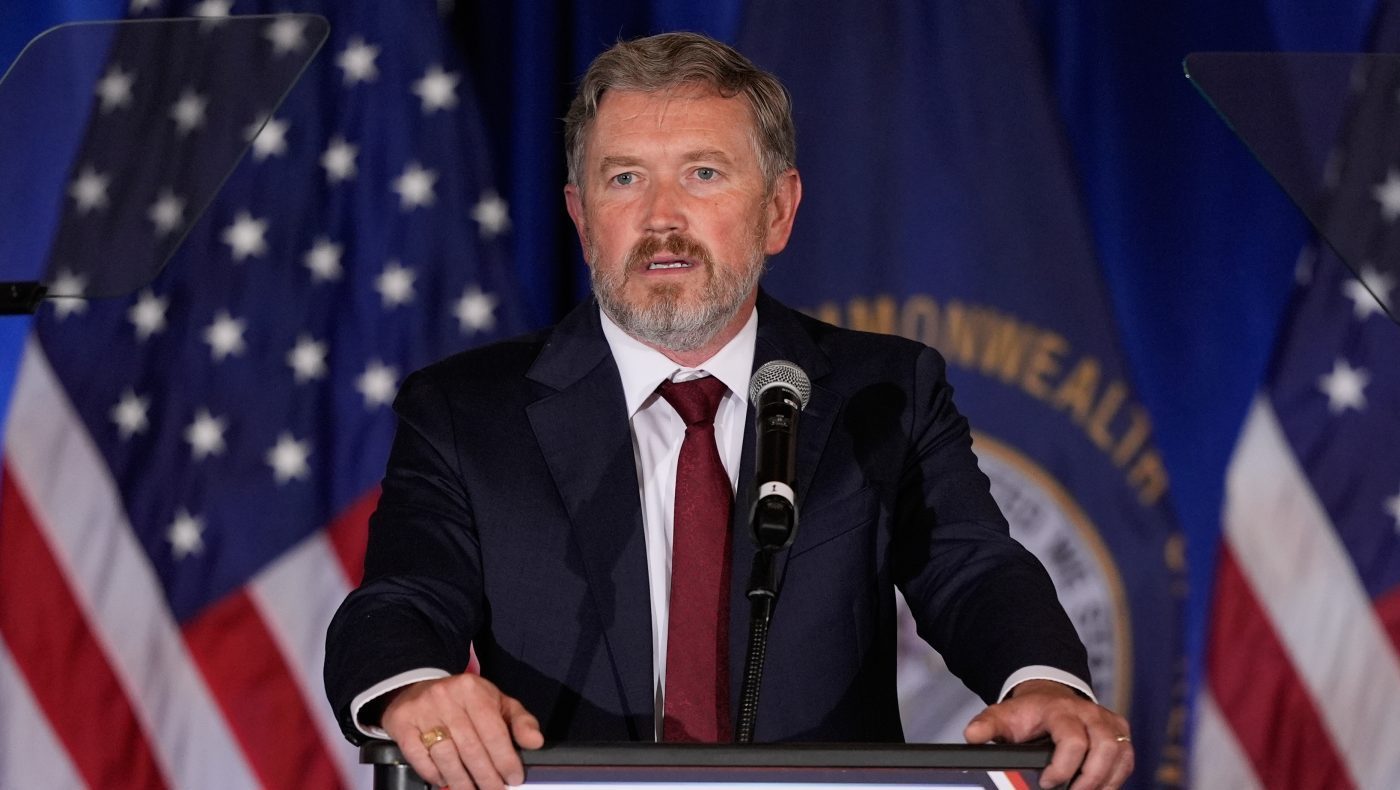
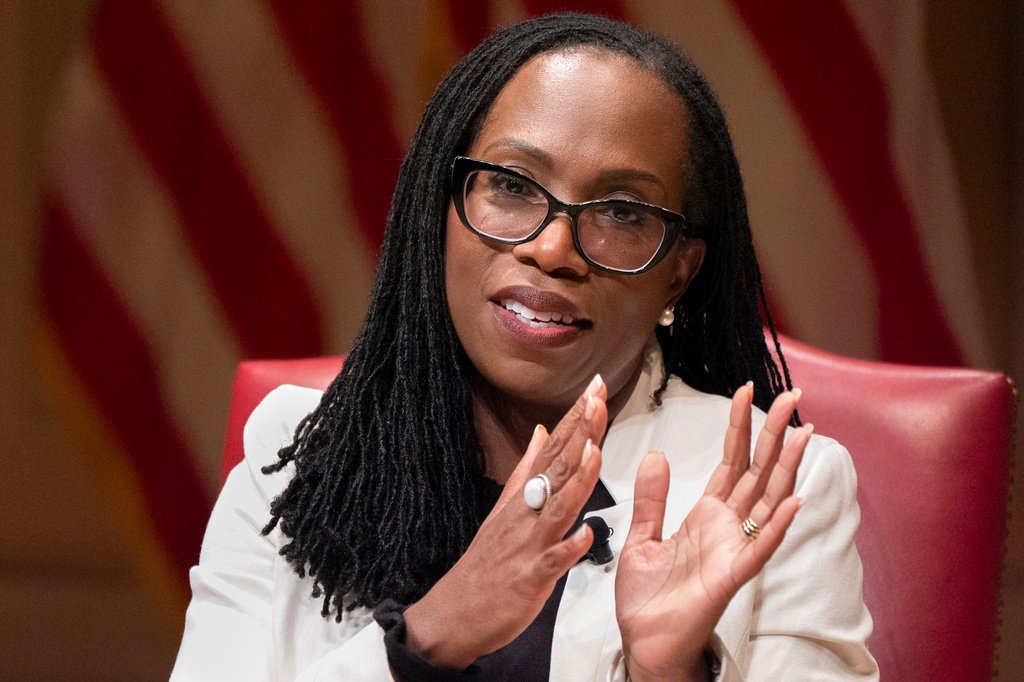
The tension broke into public view last week when Supreme Court Justice Ketanji Brown Jackson delivered a pointed critique. Speaking at the American Law Institute, she stressed that the court must be perceived as neutral and nonpartisan to preserve public trust. Her remarks followed a sharper written dissent in which she accused the court's conservative majority of diving into the political fray. The case in question involved Louisiana, where Republican Governor Jeff Landry suspended primary voting after over 100,000 ballots had been cast, allowing the GOP-controlled legislature to craft a map more favorable to Republicans.
Justice Samuel Alito, who wrote the majority opinion, fired back, dismissing Jackson's complaints as groundless and utterly irresponsible. But the political reality is harder to dismiss. In Louisiana and Alabama, Republicans halted primaries to draw new districts that boost their electoral chances. Tennessee is also revising its map before Election Day, while South Carolina's governor has called a special session to potentially eliminate the state's only Black-majority district, which leans Democratic.
Estimates suggest this wave of mid-decade redistricting, greenlit by the Supreme Court, could net Republicans seven to ten additional House seats. The push originated from Trump's desire to improve GOP odds in the midterms and avoid a Democratic takeover that could lead to further impeachment proceedings.
Beyond raw politics, the ruling raises deep concerns about racial division. The court's permissive stance on partisan redistricting, critics argue, undermines decades of civil rights progress aimed at ensuring fair representation for Black voters. The states at the center of this fight—Louisiana, Alabama, South Carolina, and Tennessee—have long histories of voter suppression. The current maps being overturned were themselves created under court orders to remedy racial discrimination.
Senator Raphael Warnock of Georgia, speaking from the pulpit of Ebenezer Baptist Church, where Martin Luther King Jr. once preached, condemned the moves as Jim Crow in new clothes. The racial implications are stark: Louisiana's population is one-third Black, yet the new map eliminates a Black-majority district. The Supreme Court's decision to fast-track these changes, breaking its usual 32-day rule to avoid electoral chaos, has only intensified the sense of urgency and outrage.
Alito defended the ruling as reasonable, noting that the existing map had been found unconstitutional and that the general election was only six months away. But critics point out that the lower courts had deemed the original map discriminatory. The result, they say, is a 21st-century version of white political dominance, silencing Black voters while amplifying white Republican voices.
This is not just a partisan fight; it's a moral one. As Justice Jackson warned, the court's willingness to alter its own rules to give one side an advantage undermines its credibility. The political chaos and racial pain now unfolding, she argued, should not be something the court facilitates. The question remains: How many justices are willing to cross that line?
For more on related legal battles, see our coverage of the Alabama redistricting fight and the ACLU lawsuit against South Carolina. Meanwhile, the broader political context includes House Democrats pushing back as redistricting and budget battles escalate.