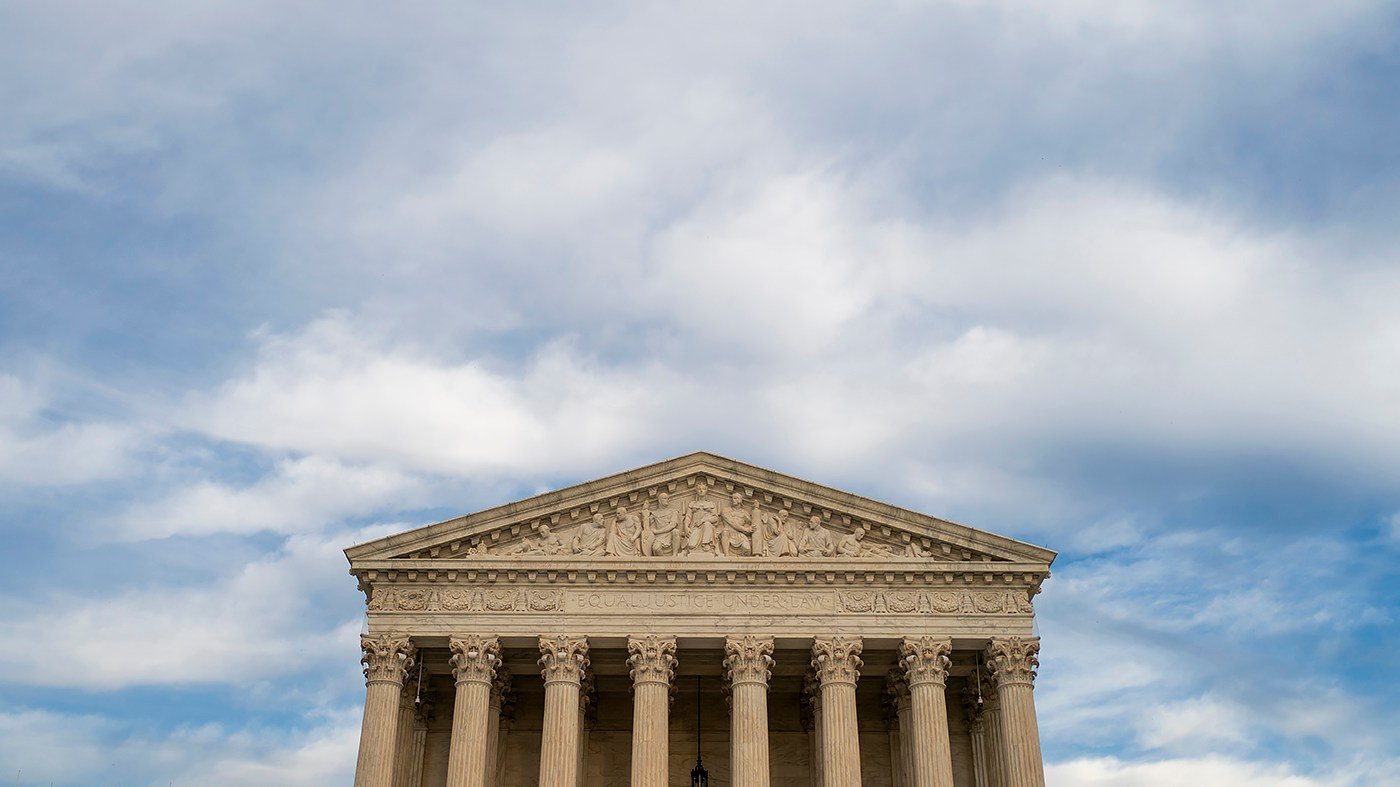
The Supreme Court kicks off its new term on Monday with oral arguments in a case that could reshape how state and local governments pursue climate-related damages from fossil fuel companies. The case, Suncor v. Boulder, stems from a Colorado Supreme Court ruling that allowed claims by the city and county of Boulder against Suncor Energy and ExxonMobil to proceed in state court. The energy firms, backed by the Trump administration, argue that federal law preempts such state-level litigation, a position that could have broad implications for similar suits across the country.
The justices' decision in this case will determine whether municipalities can use state tort law to hold oil giants accountable for their contributions to global warming, or whether such disputes must be resolved under federal statutes. The outcome is closely watched by environmental advocates and industry groups alike, as it could either open the door to a wave of climate liability lawsuits or shut them down entirely. A related case, Congress urged to set climate liability rules as Supreme Court weighs oil suits, highlights the legislative dimension of this debate.
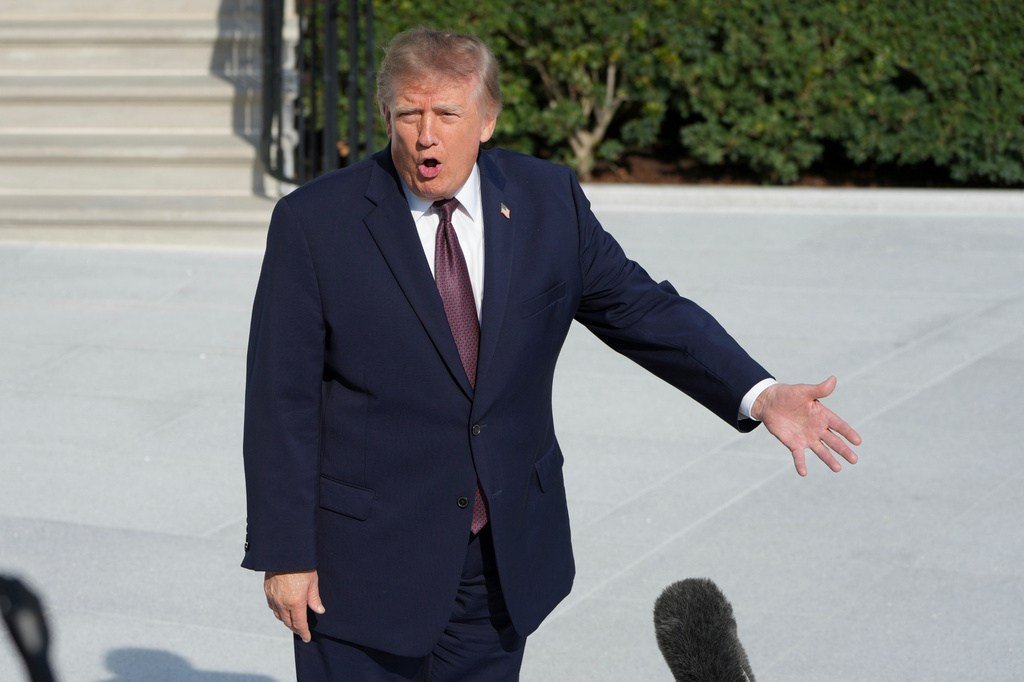
Meanwhile, President Trump is continuing his aggressive campaign schedule, with a stop in Grand Island, Nebraska, on Monday as part of his push to keep Republican majorities in both chambers of Congress. Over the past week, he has held rallies in Texas, Oklahoma, Alabama, and Ohio, and he is scheduled to return to Texas and Alabama later this week. His appearances are aimed at energizing the conservative base and boosting GOP candidates in key races, with a focus on battleground districts and states.
In a rare high-profile visit to Alaska, Vice President Vance will attend a rally in Anchorage to support Senator Dan Sullivan, who is locked in a tight reelection battle against former Representative Mary Peltola. Sullivan, a Republican, is seeking a third term, while Peltola, a Democrat, is hoping to flip the seat. The vice president's visit underscores the national importance of this race, which could determine control of the Senate.
The Supreme Court's docket this term is packed with contentious issues, including cases on climate change, religious liberty, and immigration. In addition to the Colorado climate case, the justices will hear challenges to a Virginia law that restricts tuition aid for religious majors, a zoning dispute involving a Kentucky church shrine, and a case on the Trump administration's mandatory detention policy. These cases are likely to generate significant public interest and could test the Court's relationship with the executive branch.
Legal experts say the climate case is particularly significant because it could set a precedent for how courts handle the growing number of lawsuits filed by states and cities against energy companies. Some argue that these claims are better addressed by Congress, which has yet to pass comprehensive climate legislation. Others contend that state courts are an appropriate venue for plaintiffs seeking damages for local impacts of climate change.
As the term unfolds, the Court's decisions will have far-reaching consequences for environmental policy, federalism, and the balance of power between states and the federal government. With the 2024 election looming, the justices' rulings could also become a campaign issue, as both parties seek to appeal to voters concerned about climate change and energy policy.
For now, all eyes are on the courtroom as the justices hear arguments in Suncor v. Boulder, while the political world watches Trump and Vance on the trail. The intersection of law and politics is likely to dominate the news cycle in the coming weeks, with the Supreme Court and the campaign trail both playing pivotal roles in shaping the national agenda.