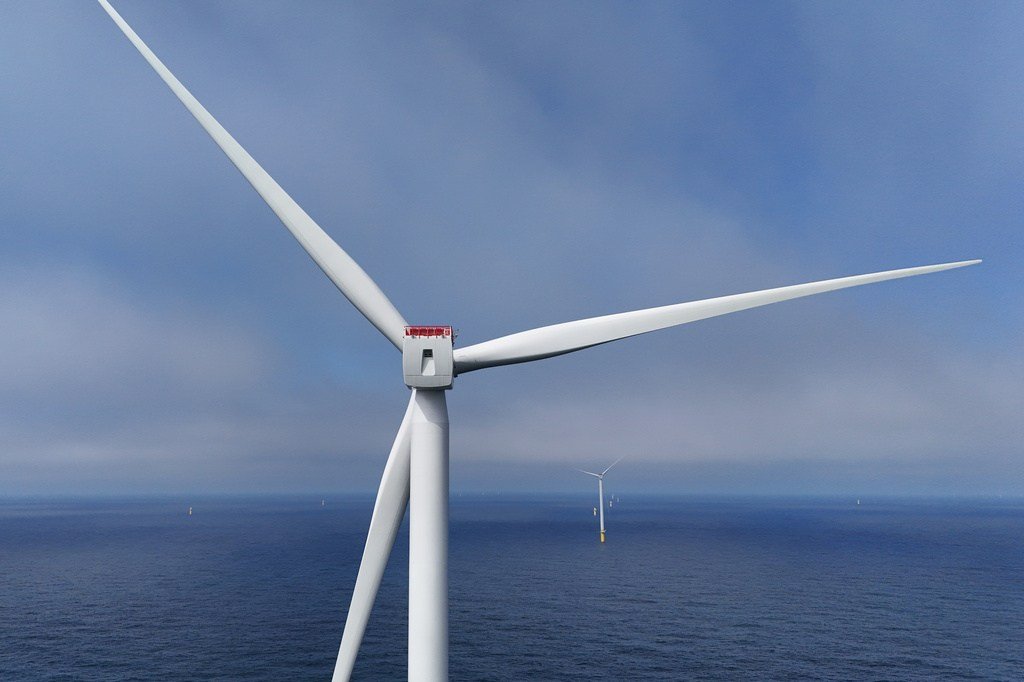
As American families grapple with soaring utility bills, a political showdown is unfolding between the White House and state capitals over the nation's energy future. The Trump administration has repeatedly moved to block renewable projects—including an attempt to halt an 80% complete wind farm that would have powered 350,000 homes—while forcing ratepayers to subsidize an inefficient coal plant to the tune of $180 million. This has left many wondering where the push for affordable clean energy can find traction. The answer, according to former Washington Gov. Jay Inslee, lies in the states, which have long served as the nation's "laboratories of democracy."
State governments have historically been the pioneers of energy policy innovation. Iowa enacted the first renewable energy standard in the 1980s; Texas followed in the 2000s, becoming a national leader in low-cost clean energy. In 2017, Inslee, along with the governors of California and New York, launched the U.S. Climate Alliance, a bipartisan coalition of over 20 states committed to advancing clean energy regardless of federal direction. That alliance has remained active through the policy swings of the past decade, from the neglect of Trump's first term to the historic investments under Biden and the renewed hostility of the current administration.

The need for state action has never been more acute. Gallup polling shows concern over energy prices at an 18-year high, while electricity demand is projected to surge 55% over the next quarter-century, driven largely by the expansion of data centers. The Trump administration's approach—blocking new projects and cutting clean energy programs—is expected to add $11.6 billion to household energy bills over the next decade, according to projections. Meanwhile, the climate crisis continues to impose costs, as seen in the devastating wildfires across North America this summer.
States hold significant levers over their energy systems, from utility regulation and permitting to infrastructure finance. Clean energy, as a July Lazard report confirms, is now the cheapest form of new electricity generation, undercutting even new gas plants. It is also faster to deploy, a crucial advantage given the pace of demand growth. In the first quarter of this year, clean energy accounted for 91% of new grid capacity, and in May, solar generation surpassed coal for the first time in U.S. history. States that embrace this reality can offer their residents tangible relief, while those that resist will face higher costs and slower growth.
This year marks a pivotal moment for state leadership. Thirty-six states will elect governors in November, with at least 21 new governors set to take office. Voters will also decide on state legislative majorities and public utility commissions in key battlegrounds like Michigan, Wisconsin, Arizona, and Georgia. The outcome will shape energy policy for years to come, and candidates are already making affordability a central theme.
Newly elected governors are showing what is possible. In New Jersey, Gov. Mikie Sherrill has taken on utility rate hikes, signed grid modernization legislation, and approved 18 new clean energy projects. Virginia's Gov. Abigail Spanberger has expanded solar deployment, helping families save an average of 23% on utility bills through home installations. From Illinois to New England to New Mexico, states are moving forward despite federal headwinds.
The federal government, however, continues to throw obstacles in the way. The Trump administration has admitted in court to canceling energy grants for states that did not vote for him, while preserving them for red states—a partisan move that has drawn criticism. The administration's cuts to clean energy programs are projected to raise household bills by $11.6 billion over the next decade, favoring incumbent energy interests over ratepayers.
But states have their own tools. They can accelerate interconnection of new clean generation, control how utilities recover costs, hold data center developers accountable, and ensure that the cost of meeting rising demand is not shifted onto families. As the market has already shifted toward cheaper, faster clean energy, the only question is whether state leaders and voters will use their power to turn that shift into lower bills and a more prosperous economy. The 2026 elections offer a clear opportunity to do so.