Security Breach Revelation Rocks Downing Street
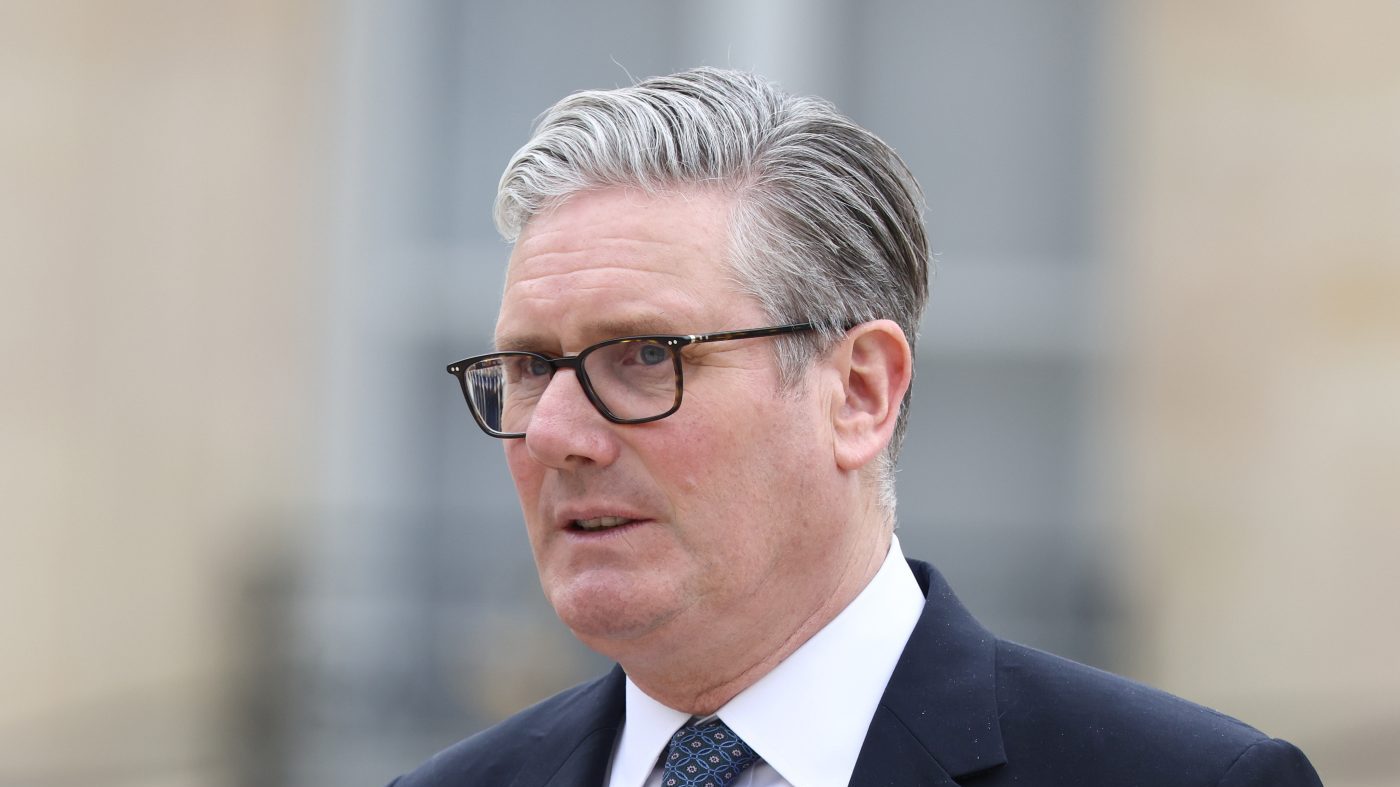
Prime Minister Keir Starmer has expressed fury after learning he was not informed that former minister Peter Mandelson initially failed a critical security vetting process before being appointed as Britain's ambassador to the United States. According to a Guardian investigation, security officials recommended against granting Mandelson the highest level of clearance in early 2025, but the Foreign Office overruled that decision.
The revelation has triggered immediate political fallout, with Conservative leader Kemi Badenoch declaring that Starmer "betrayed our national security" and should resign if he misled Parliament. Liberal Democrat leader Ed Davey echoed the demand, stating the Prime Minister showed "catastrophic political misjudgment" in the appointment and would "probably have to go."

"Due Process" Defense Collapses
Starmer had repeatedly defended the controversial appointment by asserting that "due process" was followed. On Friday, he stated he was "absolutely furious" that neither he nor any government minister was told about the security services' negative recommendation. "That I wasn't told that he had failed security vetting when I was telling parliament that due process had been followed is unforgivable," the Prime Minister said.
In response to the crisis, Starmer fired Olly Robbins, the top official at the Foreign Office, on Friday night. A Downing Street statement confirmed that once informed, the Prime Minister immediately ordered an investigation to establish why the Developed Vetting clearance was granted against security advice.
Epstein Connections Deepen Scandal
The security vetting controversy compounds existing political damage from Mandelson's connections to convicted sex offender Jeffrey Epstein. Mandelson was dismissed as ambassador last September as documents revealed he maintained a supportive relationship with Epstein even after the financier's imprisonment. The former diplomat resigned from Parliament in February after allegations surfaced that he received payments from Epstein decades ago.
Starmer has since apologized to Epstein's victims for the appointment and for having believed Mandelson's "lies." In a further development, Mandelson was arrested later in February on suspicion of misconduct charges, likely related to allegations he shared sensitive government information with Epstein while serving in the House of Lords.
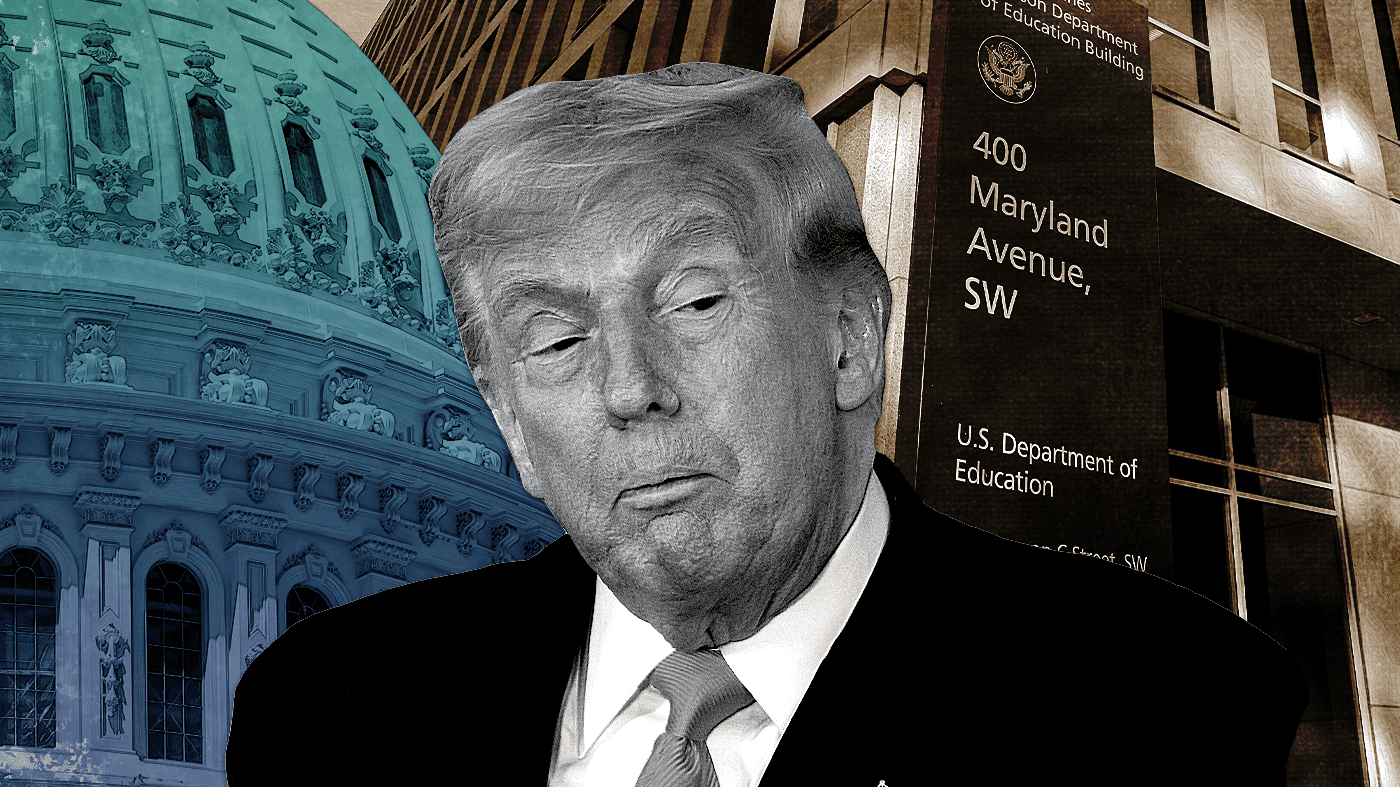
The scandal represents a severe test for Starmer's leadership, coming amid other international pressures. The Prime Minister is simultaneously managing a growing diplomatic feud with former US President Donald Trump over UK energy policy. Meanwhile, opposition calls for resignation mirror political tensions seen elsewhere, such as when lawmakers face consequences for ethical breaches.
As the investigation into the vetting override continues, Starmer faces mounting pressure to provide a full account to Parliament. The episode raises serious questions about ministerial oversight of security appointments and threatens to undermine the government's credibility on national security matters at a time of global instability.