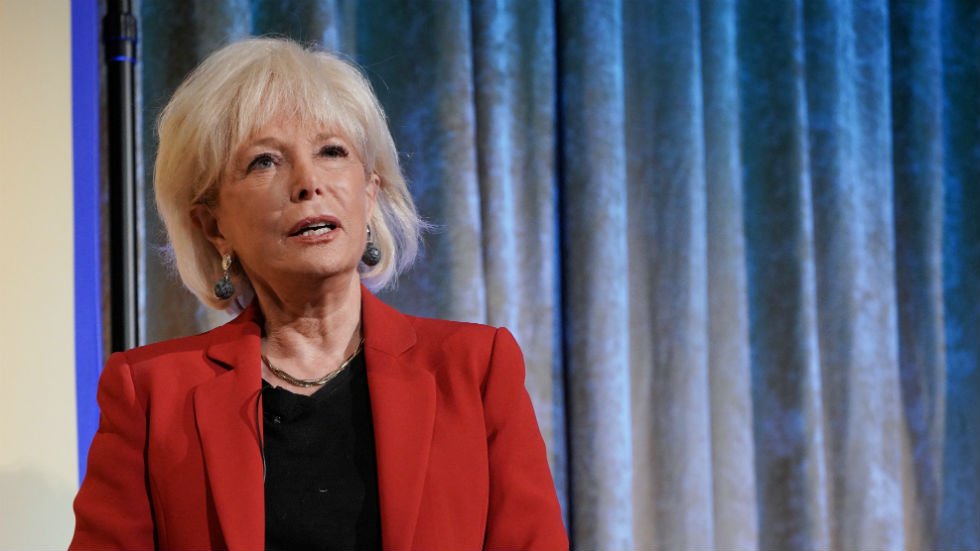
Veteran 60 Minutes correspondent Lesley Stahl disclosed this week that she received direct assurances from Paramount Global CEO David Ellison that the iconic news magazine will retain its editorial independence under new corporate leadership. Stahl made the remarks during a champagne toast in the 60 Minutes newsroom on Monday, according to a report by The New York Times.
Stahl told the Times that her toast was “to us, meaning the survivors”—a pointed reference to the recent dismissal of several prominent CBS News journalists, including Scott Pelley, Sharyn Alfonsi, and Cecilia Vega. Those firings have sparked accusations that the network is bowing to political pressure from the Trump administration, with some of the ousted reporters alleging censorship of critical coverage.
The veteran correspondent’s decision to stay with the program comes amid a broader upheaval at CBS News, which has seen a shift toward what Ellison describes as a more politically “diverse” audience. Ellison, the billionaire son of Oracle founder Larry Ellison, has made no secret of his desire to retool the network’s editorial direction.
Stahl, along with fellow correspondents Bill Whitaker and Jon Wertheim, wrote to staff last week explaining their choice to remain at 60 Minutes. “We don’t want to see 60 Minutes die,” they said in a note obtained by The Hill. The trio added that “newsrooms are not supposed to be run like dictatorships. Collaboration and argument are the way we have always worked at 60.”
The internal tensions have been exacerbated by the feud between Scott Pelley and editor Bari Weiss, which laid bare deep divisions over editorial control. Pelley, in a recent interview with the Times, recalled that Ellison visited the 60 Minutes offices after his company acquired Paramount and emphasized the program’s importance to the corporation’s bottom line.
Some former staffers, however, remain unconvinced. Longtime correspondent Steve Kroft recently declared that the show “no longer exists” after the mass firings, and his blunt assessment has resonated with critics who see the changes as a fundamental break with the program’s legacy.
Stahl’s toast and her reported conversation with Ellison suggest a fragile truce, but the underlying conflict over editorial independence is far from resolved. The question now is whether Ellison’s pledge will hold as the network navigates the intersecting pressures of corporate ownership, political polarization, and a rapidly changing media landscape.