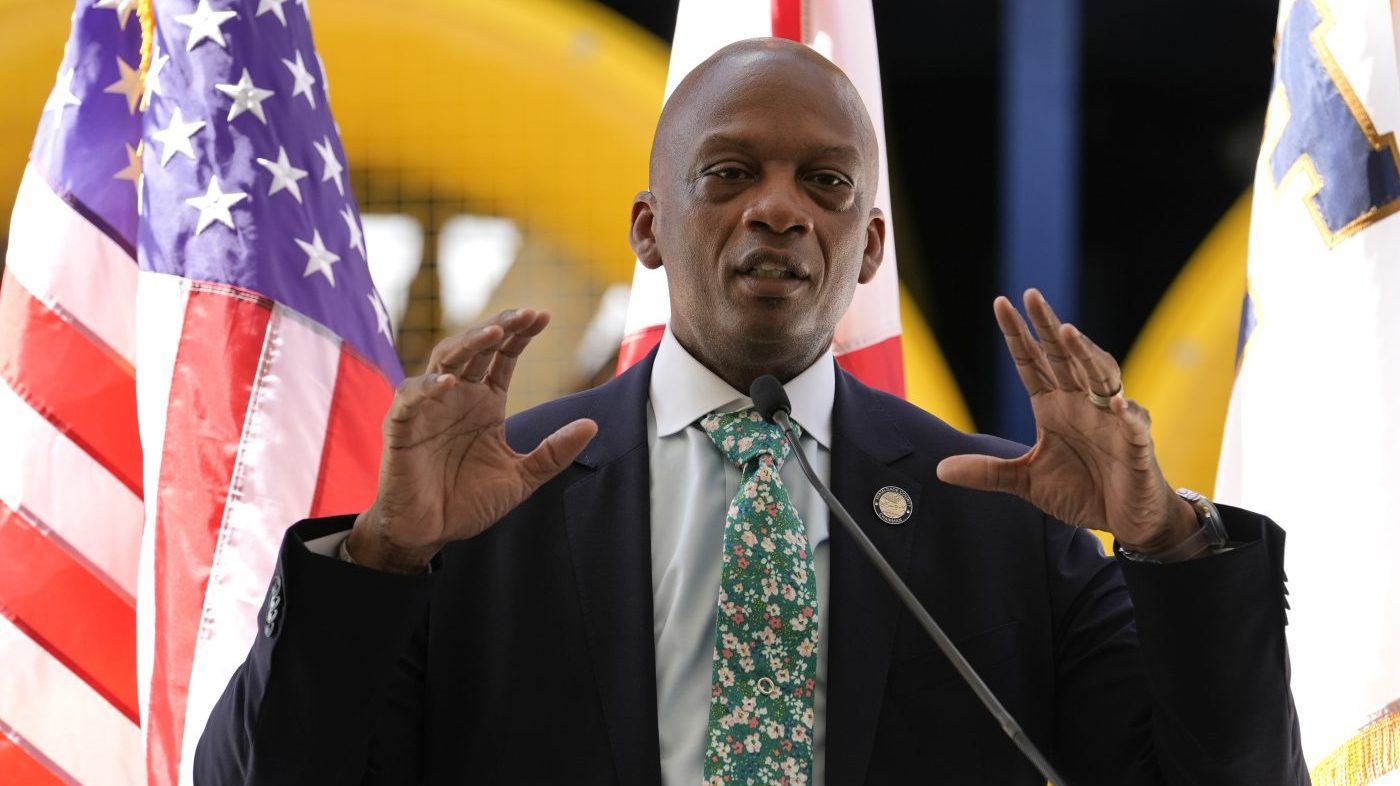
Republican Sen. Mike Rounds is running for a sixth term representing South Dakota, facing independent candidate Brian Bengs, a veteran and former Democratic nominee for Senate in 2022. The race is being closely watched as part of the broader 2026 midterm landscape, with control of the Senate hanging in the balance.
Polls in the state close at 8 p.m. EST, and Decision Desk HQ is providing live results as they come in. Early voting and absentee ballots are expected to play a significant role in the final tally, as they have in recent cycles.
Rounds' Long Incumbency
Rounds, a former two-term governor, has served in the Senate since 2015. His campaign has emphasized his seniority and committee assignments, particularly his role on the Armed Services and Appropriations committees, which he argues bring federal resources and defense-related jobs to South Dakota. He has also touted his work on agricultural policy and rural broadband expansion.
Despite his long tenure, Rounds has faced criticism from some conservative activists over his willingness to work with Democrats on certain bipartisan measures, including infrastructure and gun safety legislation. However, he remains a strong favorite in a state that has not elected a Democrat to the Senate since 2006.
Bengs' Independent Candidacy
Bengs, a U.S. Air Force veteran and attorney, ran as the Democratic nominee for Senate in 2022, losing to Rounds by a wide margin. This time, he is running as an independent, a move he says reflects his commitment to putting South Dakota ahead of party politics. His campaign has focused on healthcare access, veterans' services, and economic diversification.
In a recent interview, Bengs said, "I'm not beholden to any party establishment. I'll work with anyone who wants to improve the lives of South Dakotans." His underdog status has drawn some national attention, but political analysts view his chances as slim given the state's Republican lean.
National Implications
The South Dakota race is not expected to be a tipping point for Senate control, but it is part of a larger national story. Republicans are defending a number of competitive seats, and Democrats are hoping to capitalize on any anti-incumbent sentiment. The unprecedented federal election monitoring this cycle has added a layer of scrutiny to voting processes nationwide.
Meanwhile, record gas prices have emerged as a key economic issue, potentially affecting voter turnout and preferences even in reliably red states like South Dakota.
What to Watch
As results begin to trickle in, the first counties to report are typically the state's most populous, including Minnehaha and Pennington counties. Rounds is expected to perform strongly in rural areas, while Bengs may find support in college towns and among independent voters.
Turnout will be a critical factor. In 2022, Rounds won with over 65% of the vote, and a similar margin is anticipated. However, any unexpected surge in independent or Democratic-leaning turnout could narrow the gap.
For now, all eyes are on the clock as South Dakota prepares to make its choice. The outcome will be a clear signal of the state's political mood heading into the next Congress.