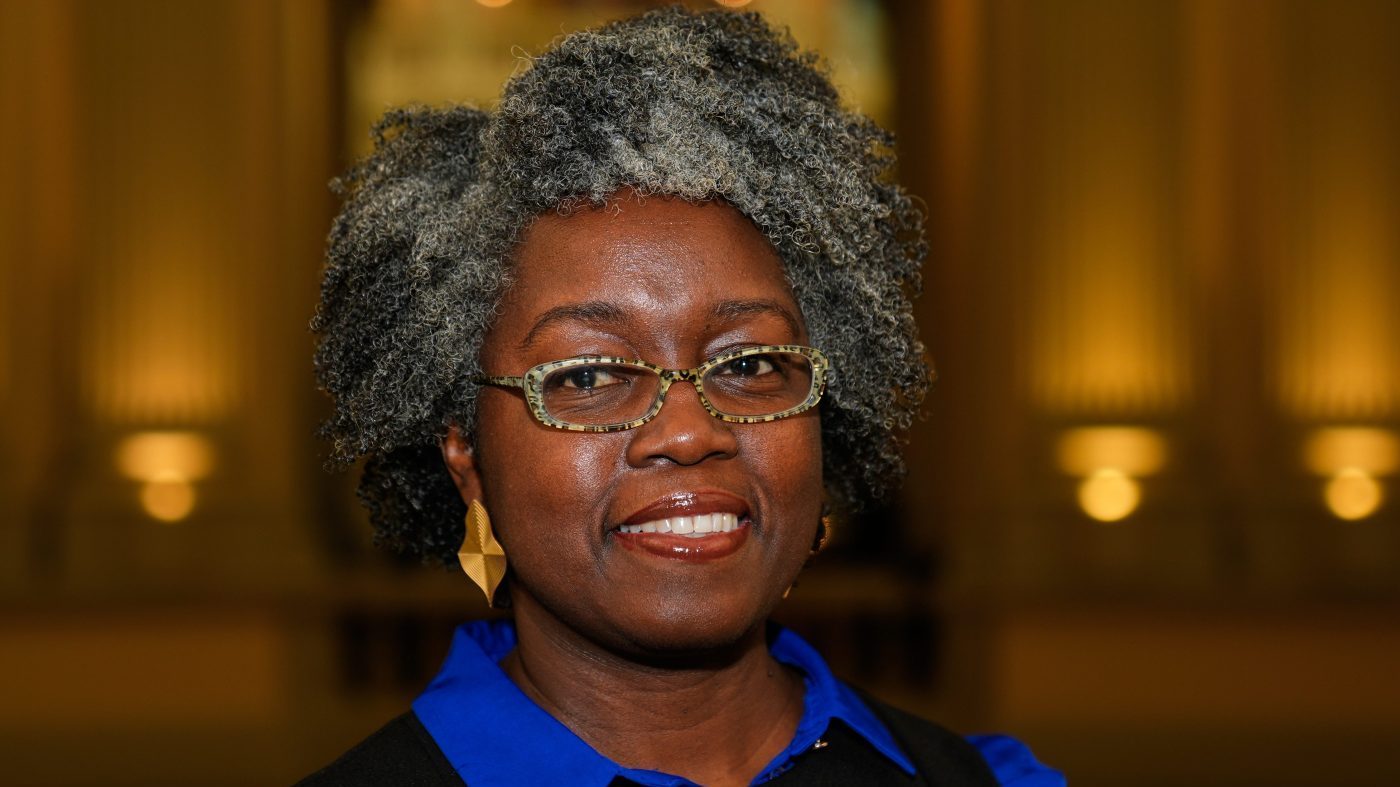
Democrat Jasmine Clark is projected to win the race for Georgia's 13th Congressional District, according to Decision Desk HQ (DDHQ). With 58% of ballots counted, Clark holds a commanding lead over Republican challenger Jonathan Chavez, capturing more than 81% of the vote in the heavily Democratic district outside Atlanta.
Clark, a state lawmaker and microbiologist, will succeed the late Rep. David Scott (D-Ga.), who passed away in April after serving more than two decades in Congress. Her victory cements Democratic control of the seat, which DDHQ had rated as "safe Democratic" heading into Election Day.

Primary and Special Election Dynamics
Clark emerged from a crowded Democratic primary in May, winning over 56% of the vote and avoiding a runoff. Her primary opponents included former Gwinnett County school board chair Everton Blair, state Sen. Emanuel Jones (D), and Heavenly Kimes, a dentist and reality TV personality known for appearing on Bravo's "Married to Medicine."
Scott's death reshaped the race, which initially saw several Democrats vying to unseat the longtime incumbent. Blair went on to win a separate special election in August to serve out the remainder of Scott's term, defeating the late lawmaker's daughter, Marcye Scott, in a runoff. But Blair was not on the November ballot, leaving Clark as the Democratic nominee.
Clark's Background and Platform
A scientist by training, Clark holds a doctorate in microbiology and molecular genetics from Emory University, where she serves as an assistant clinical professor in the nursing school. She first won election to the Georgia Legislature in 2018, flipping a Republican-held seat in the Atlanta suburbs.
During her time in the state House, Clark has been a vocal advocate for abortion rights, public health, and education. On the campaign trail, she emphasized her scientific background while criticizing President Trump's policies, particularly on healthcare.
Her GOP opponent, Jonathan Chavez, is a 23-year Air Force veteran and radiologist who ran unopposed in the Republican primary. Despite his military and medical credentials, he faced an uphill battle in a district that has been a Democratic stronghold.
Broader Implications
Clark's win adds to a wave of Democratic victories in Georgia, following Jon Ossoff's Senate seat win and other House races in the state. As Democrats look to expand their majority, Clark's scientific expertise and legislative experience will likely make her a key voice on health policy. Her arrival in Washington comes as Democrats gear up to scrutinize Trump administration deals, and her background could prove valuable in oversight efforts.
Clark's victory also underscores the shifting political landscape in Georgia's suburbs, where demographic changes have made once-competitive districts increasingly Democratic. With her decisive win, she joins a growing cohort of scientists and public health experts in Congress, a trend that may shape future policy debates.