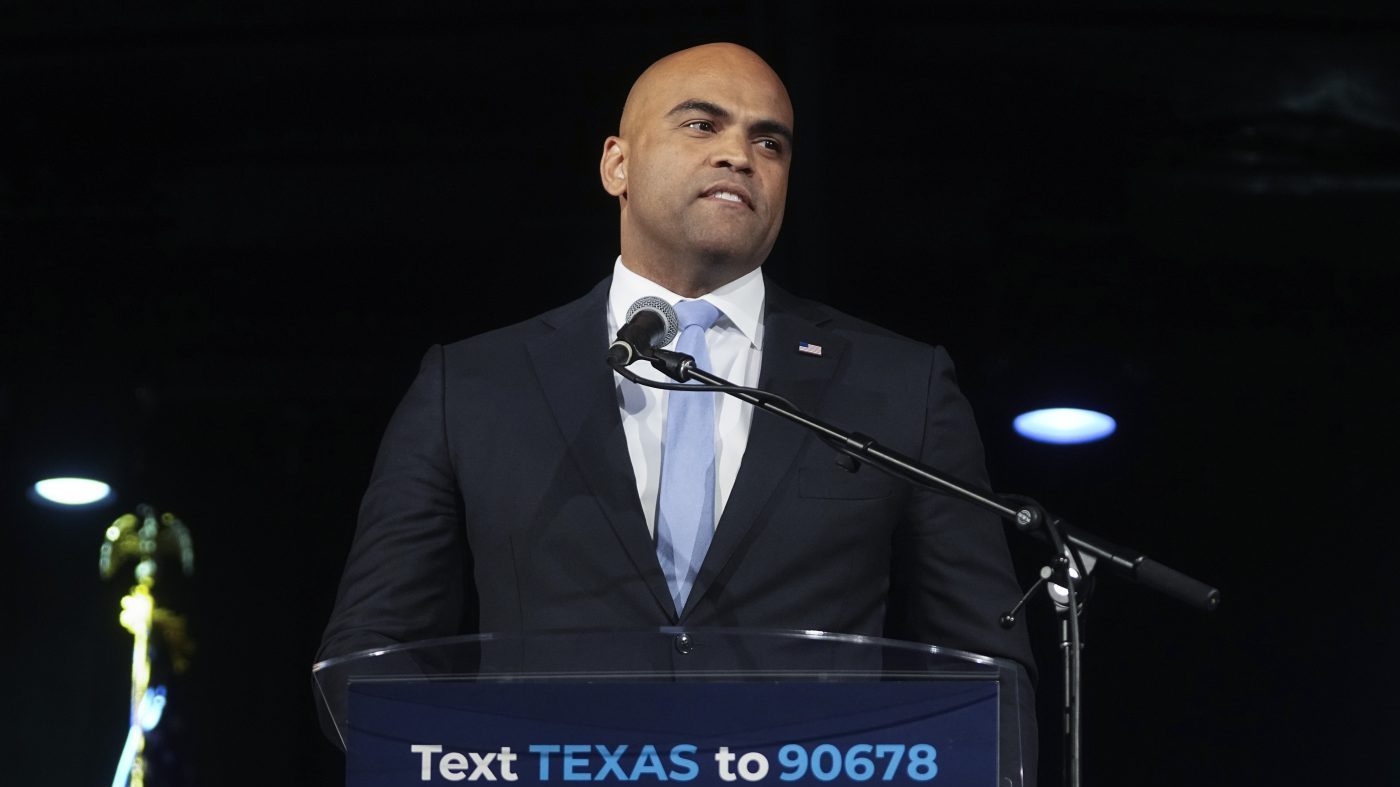
Former Rep. Colin Allred (D-Texas) is returning to the U.S. House after securing a decisive victory in a newly redrawn district, according to a projection from Decision Desk HQ (DDHQ). With 74% of the votes counted as of 8 p.m. EST, Allred led Republican Patrick Gillespie by an overwhelming margin of 80% to 19%.
Allred's path back to Congress was anything but straightforward. He vacated his previous seat in 2024 to challenge Sen. Ted Cruz (R-Texas) unsuccessfully, then briefly entered the race for Sen. John Cornyn's (R-Texas) seat in this year's midterms before dropping out. His return marks one of several notable comebacks this cycle, echoing similar efforts in other states, such as New Jersey's 7th District contest.
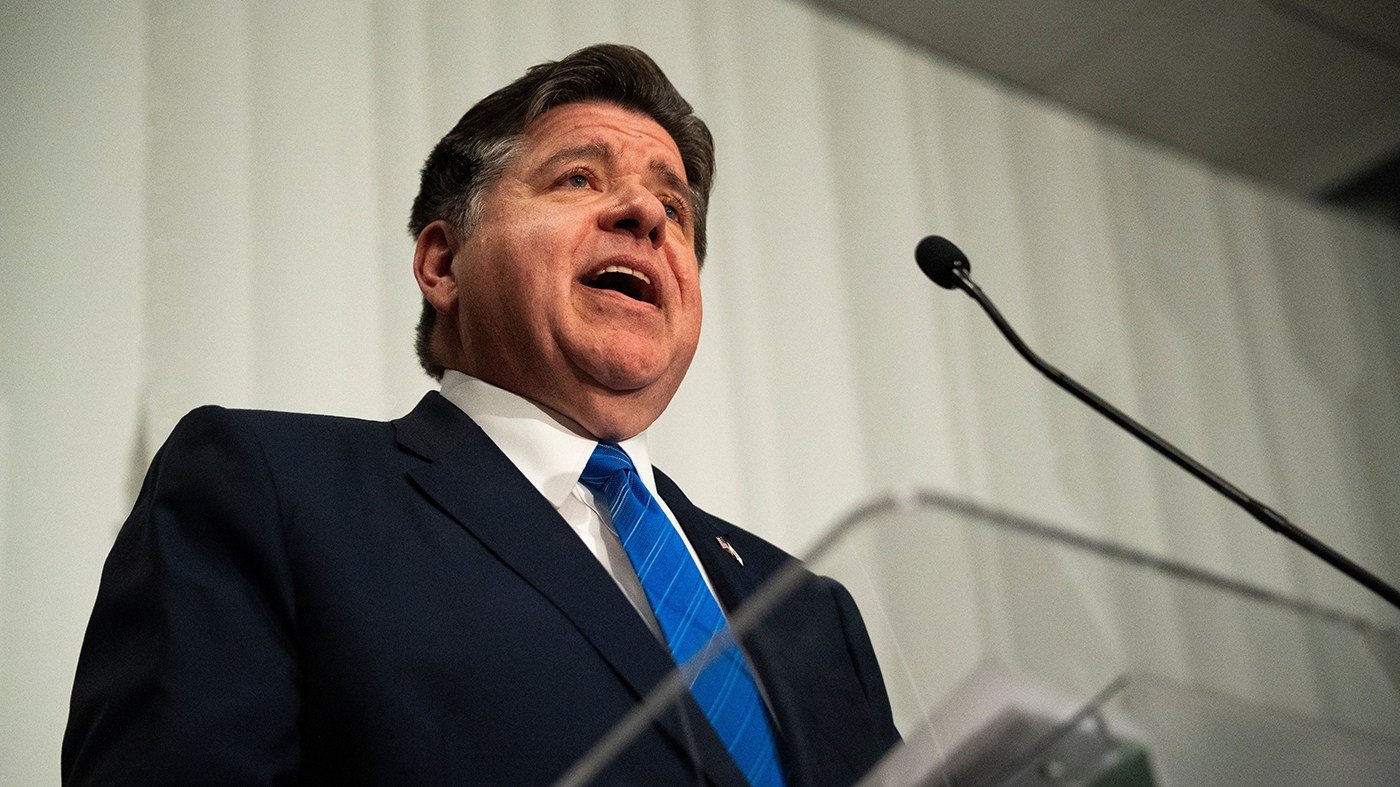
The victory comes after a messy Democratic primary triggered by GOP-friendly redistricting. Rep. Julie Johnson (D-Texas), who succeeded Allred in 2024, lost in a runoff as the new maps forced a game of political musical chairs. The reshaped 32nd District, which now encompasses parts of the Dallas-Fort Worth area, was drawn to favor President Trump by double digits, according to analysis by Dave Wasserman of the Cook Political Report. Meanwhile, the 33rd District remained solidly Democratic, drawing both Johnson and Allred into the same primary.
The primary became a proxy battle between factions of the Texas Democratic Party. Allred received the endorsement of Rep. Jasmine Crockett (D-Texas), who won the Democratic Senate primary over state Rep. James Talarico. Talarico had backed Johnson, as did House Minority Leader Hakeem Jeffries (D-N.Y.) and Rep. Suzan DelBene (D-Wash.), who chairs the House Democrats' campaign arm.
Despite the competitive primary, Allred's general election campaign was never in doubt. DDHQ gave him a 99% chance of defeating Gillespie heading into Election Day, and the final tally reflected that confidence. Allred's win adds to a broader picture of Texas races that have drawn national attention, including the 12 open House seats and two hotly contested battles in the state.
Allred's return to Congress is likely to be watched closely, as he becomes a prominent voice in the Democratic caucus. His experience in the Senate races, though unsuccessful, has raised his profile, and he could play a key role in future statewide contests. The victory also highlights the impact of redistricting on Democratic prospects in Texas, a state where Republicans have increasingly drawn lines to their advantage.
The race was one of several in Texas that underscored the state's shifting political landscape. While Allred's district was designed to lean Republican, his strong performance suggests that candidate quality and local dynamics can still overcome partisan leanings. As Texas continues to grow and diversify, the outcome of such races will be critical in determining the balance of power in Congress.
For now, Allred can savor a hard-fought win that few expected given the district's makeup. His comeback bid, unlike those of some other politicians, has succeeded, and he will be sworn in as the representative for the new 32nd District in January.