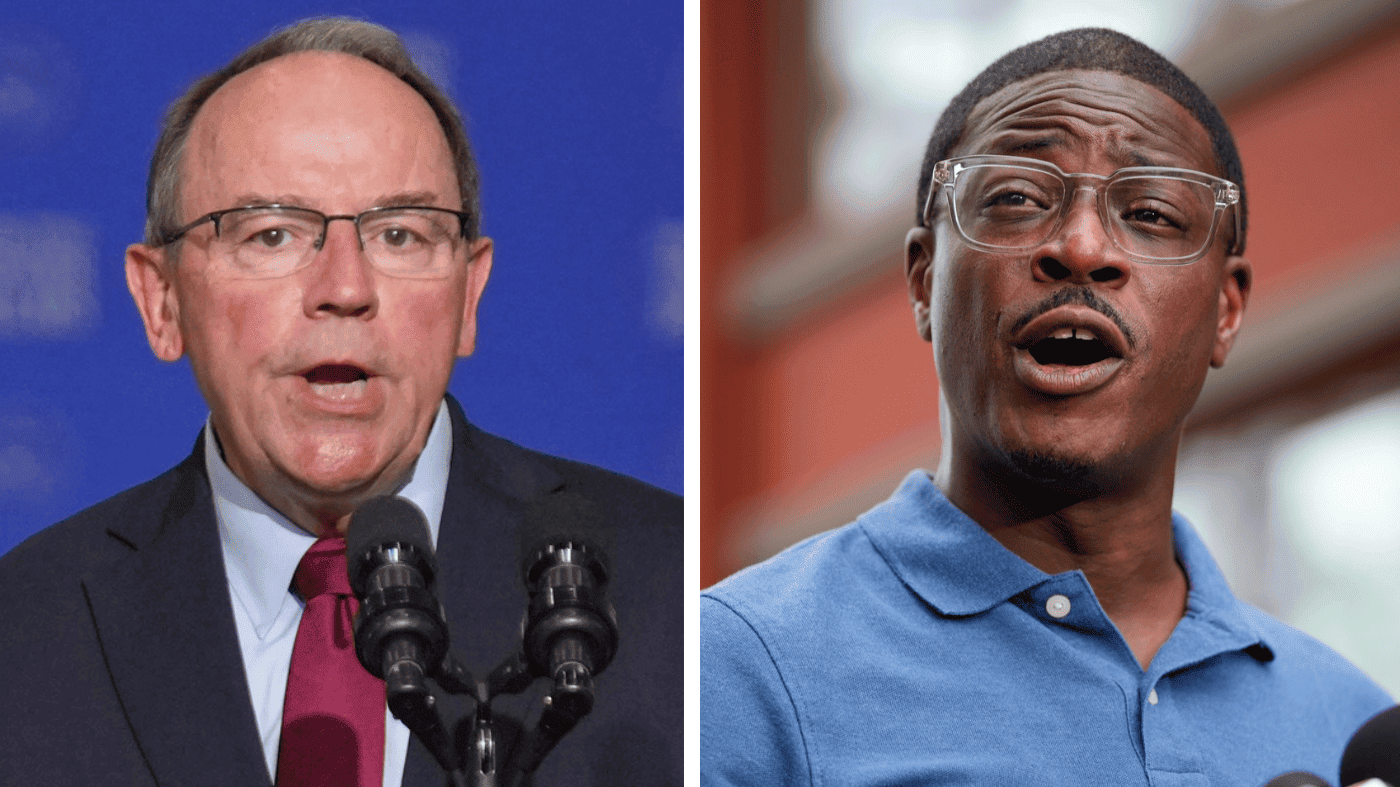
The Democratic Socialists of America (DSA) have surged across the political landscape, but their rise is less a Marxist specter and more a symptom of a deeper institutional rot. The movement's appeal is rooted in a profound disillusionment with a political system that has failed to deliver for ordinary Americans. Yet, as the socialist wave may eventually recede, the conditions that spawned it—repeated governance failures by both major parties—are likely to remain.
The DSA's ascent mirrors the earlier rise of the Trump-led MAGA movement, which capitalized on the same widespread frustration. However, unlike the GOP's populist insurgency, the socialists lack a charismatic figurehead to sustain their momentum. Their ranks are filled with second-tier pretenders, not a singular leader who can channel the anger into a cohesive political force.
At the heart of the socialist critique is the assertion that the Constitution's system of checks and balances is obsolete and unworkable in the 21st century. This argument gains traction as the legislative branch, under Article I, appears inert. The Republican majority in Congress has shown a lack of backbone, while Democrats have failed to offer a coherent alternative. Capitol Hill has devolved into an extension of the executive branch, rendering it unfit for its constitutional purpose.
The judiciary, under Article III, has compounded the crisis with decisions that some legal scholars compare to historical low points like Dred Scott and Plessy v. Ferguson. The consequence is that power has consolidated in the White House, with executive orders and unilateral actions breaching institutional guardrails. These include attempts to overturn birthright citizenship, illegal firings of statutory board members, and the creation of special grand juries to target political opponents—an alarming trend that undermines the rule of law.
In response, socialists propose a radical restructuring of democracy, advocating for direct popular elections over the Electoral College. While such ideas may seem extreme, they reflect a legitimate concern that the current system is rigged in favor of the wealthy and well-connected. Yet, the movement's more outlandish proposals—defunding the police, abolishing prisons, open borders, and seizing the assets of the super-rich—border on the absurd and are rightly rejected by most Americans.
The GOP is eager to paint the DSA as a communist front, pointing to historical failures of socialism and communism as evidence of its inherent flaws. But this narrative may oversimplify the appeal of socialist ideas among younger voters, who are increasingly skeptical of a system that seems to serve only the elite. As progressives gain momentum, the Democratic establishment faces a delicate balancing act—embracing reform without alienating moderates.
The MAGA movement, like the Tea Party and other populist uprisings before it, will eventually fade. But the underlying crisis of governance—the inability of both parties to address the nation's pressing issues—will not. The amnesia that allows history to repeat itself is a dangerous affliction, and some of the proposed remedies are dangerously unhinged.
What is needed is a return to sensible, moderate politics. The majority of American voters identify as moderates, and they must demand that their parties and candidates reject the extremes. The future of the republic depends on whether common sense can prevail over the madness of the political fringes.