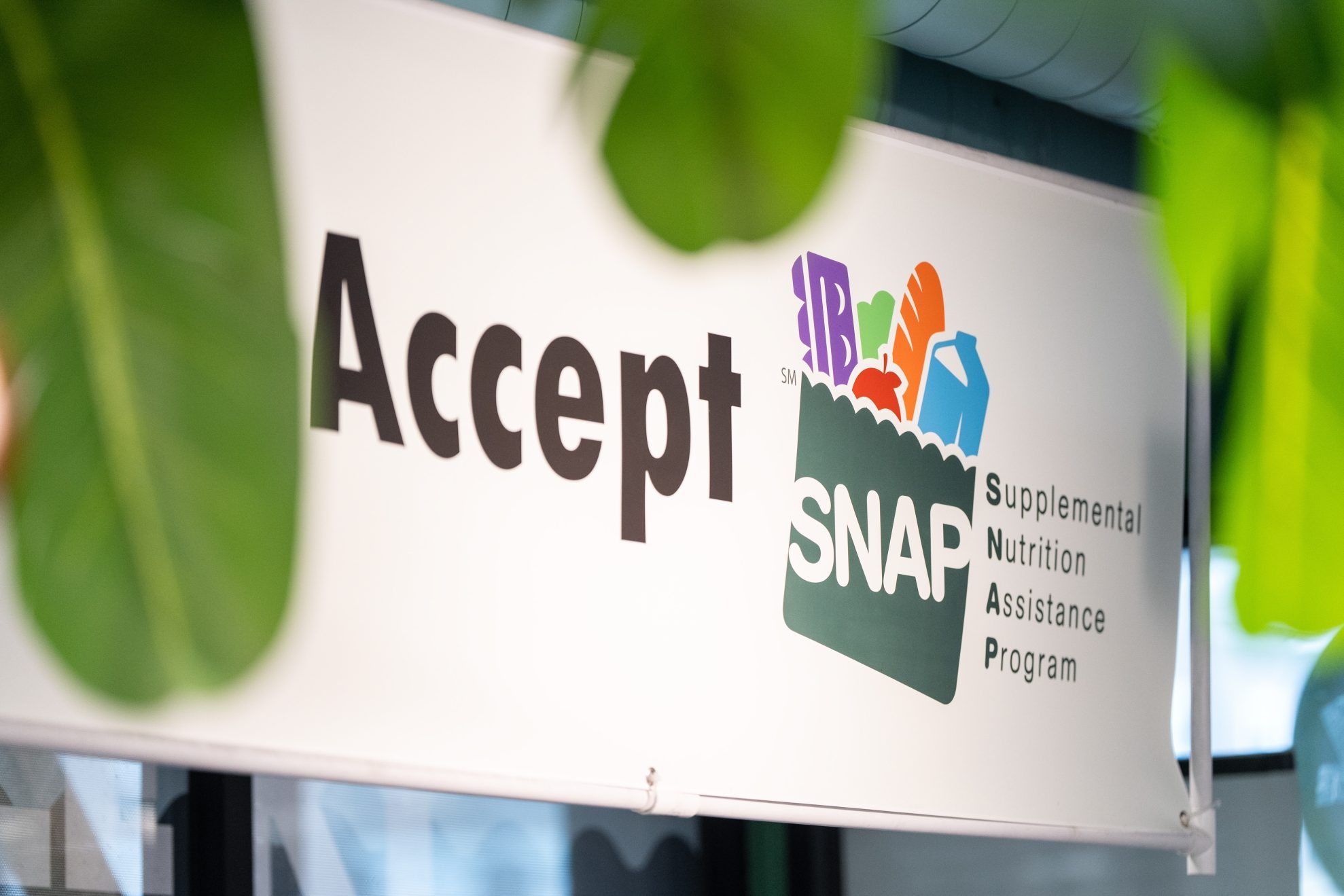
Millions of Americans who rely on the Supplemental Nutrition Assistance Program (SNAP) will see a modest boost in their monthly benefits starting October 1, as the annual cost-of-living adjustment (COLA) takes effect. But the increase comes amid stricter eligibility rules and a sharp drop in enrollment, signaling a shift in how the federal food aid program is administered.
Benefit Increases by Household Size
According to the U.S. Department of Agriculture, maximum benefit amounts for the 48 contiguous states and Washington, D.C., will rise by about 2.9% compared to last year. A single person will receive an extra $8 per month, bringing the maximum to $306. A family of four will see a $29 increase, for a total of $1,023. Larger households will also see proportional increases, with an additional $225 per extra member.

The adjustment reflects the Bureau of Labor Statistics' finding that food-at-home prices have risen 2.7% year-over-year, while overall inflation stands at 3.4%. The new amounts apply to roughly 37 million low-income Americans who depend on SNAP to buy groceries.
Regional Variations
Maximum benefits are higher in Alaska, Hawaii, Guam, and the U.S. Virgin Islands due to higher grocery costs. For example, a family of four in rural Alaska can receive up to $2,027 per month. However, Hawaii is an exception: benefits there will actually decrease slightly, with a family of four now capped at $1,655.
Eligibility Requirements Tighten
Starting in October, SNAP also faces new eligibility requirements. To qualify, individuals must have a gross monthly income below $1,729, while a family of four must earn less than $3,575. Asset limits remain unchanged at $3,000 for most households, or $4,750 for those with a disabled or elderly member. Work status, immigration status, age, and disabilities also factor into eligibility.
The changes stem from the Trump administration's One Big Beautiful Bill, passed in 2025, which introduced stricter work requirements and other conditions. Enrollment has already fallen by about 13% over the past year, a steeper decline than expected.
Funding Tied to Error Rates
Federal funding for SNAP is now linked to state error rates, and as of June, only nine states were in compliance with the new standards. This has raised concerns about further cuts to benefits in states that fail to meet the benchmarks. Retirement age adjustments and other policy shifts are also reshaping the social safety net.
Advocacy groups warn that the combination of lower enrollment and stricter funding could leave vulnerable families without adequate support. Meanwhile, veterans groups are pushing Congress to pass a broader benefits package, highlighting the ongoing debate over federal assistance programs.
As the new benefit amounts take effect, recipients should check their state's SNAP website for specific details. The changes come at a time when economic concerns weigh on the midterm elections, making food security a key political issue.