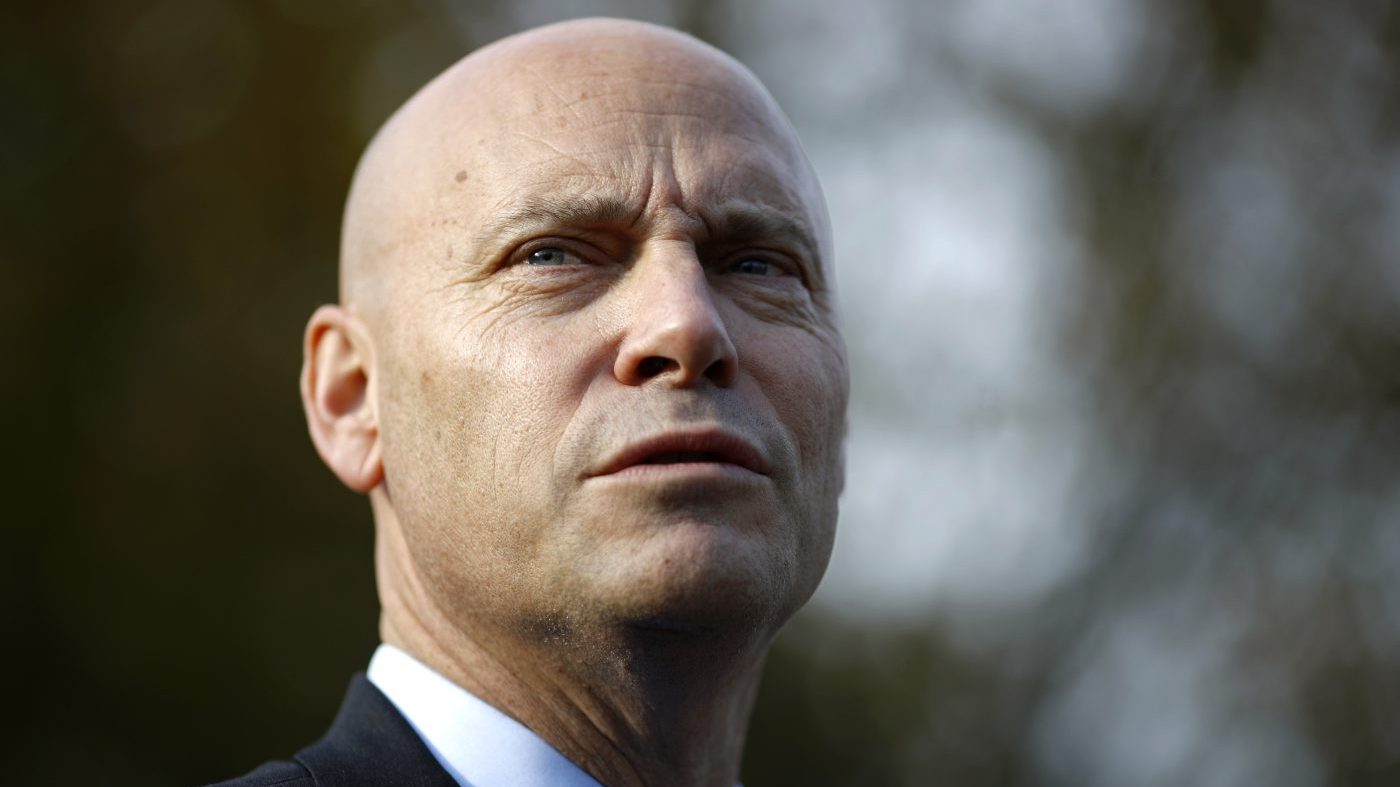
Marc Short, who served as chief of staff to former Vice President Mike Pence, acknowledged Tuesday that President Trump retains an iron grip on the Republican Party. Yet he suggested the president's decision to back Texas Attorney General Ken Paxton in the state's Senate primary was less a test of fealty and more a strategic bet on a sure thing.
"There's no doubt that he has full control of the Republican Party," Short told CNN's Abby Phillip during a panel discussion. He pointed to Trump's successful primary challenges against GOP incumbents in Indiana, Kentucky, and Louisiana as evidence of the president's sway.
"In this case, though, I think he had clear evidence that Paxton was going to win this race," Short added.
Phillip had pressed Short on why Trump appeared to hold grudges against some Republicans but not others, specifically contrasting his treatment of Senator John Cornyn with that of Secretary of State Marco Rubio and Vice President JD Vance, both of whom were skeptical of Trump's 2016 candidacy yet now hold senior positions in his administration. Trump had criticized Cornyn for being slow to endorse his 2024 reelection bid.
Trump ultimately endorsed Paxton, who defeated Cornyn by 27 points in Tuesday's runoff. Short argued that the outcome was already foreseeable, making Trump's move a pragmatic one. He noted that Trump had reportedly been planning to endorse Cornyn in March but pulled back after Paxton offered to drop out if Senate leaders would lift the filibuster to advance the SAVE Act, a key Trump priority. The Washington Post first reported that deal.
"If this was about being loyal or not, then he wouldn't have been prepared to endorse Cornyn just a few weeks ago," Short said. "Now again, I'm not questioning his command of the party because he's shown it again, again, again, but in this case, I think he was trying to get ahead of the parade."
The president's ongoing campaign to purge Republican lawmakers who have crossed him has sparked internal party concerns that such tactics could complicate his legislative agenda after the midterms. Some GOP strategists warn that Trump-endorsed candidates may face a tougher general election landscape given the president's sagging approval ratings, which have been dragged down by an unpopular military engagement in Iran and rising consumer prices.
Short's comments come as the Republican National Committee continues to defend Trump's endorsement strategy. In a recent interview, RNC Chair Michael Gruters argued that Trump's backing remains a powerful asset for primary candidates, even as the president's overall approval slips. The dynamic underscores the party's ongoing tension: Trump's base loyalty is unquestioned, but his broader electoral appeal is under scrutiny.
The Paxton-Cornyn race highlights how Trump's calculations are not always about punishing disloyalty. By endorsing Paxton, Trump aligned with a candidate who was already on a winning trajectory, avoiding a potentially damaging fight with a popular incumbent. The move also allowed Trump to sidestep a primary battle that could have divided the party further, even as he continues to demand absolute loyalty from his allies.