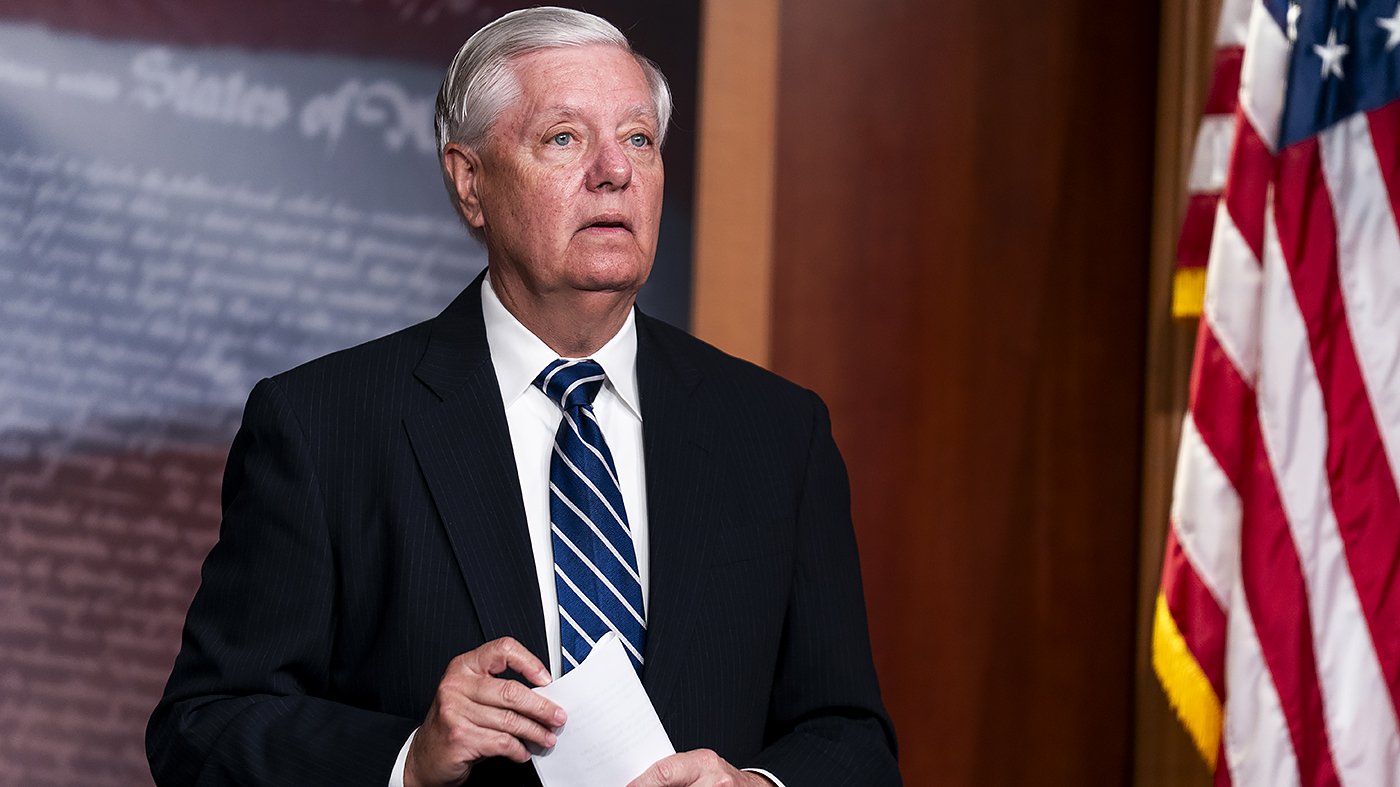
Americans awoke Sunday to the unexpected death of Senator Lindsey Graham (R-S.C.), who passed away after what his office described as a “brief and sudden illness.” He was 71. Graham had served in the upper chamber for over two decades, carving out a reputation as a fierce partisan warrior and a key ally of President Donald Trump.
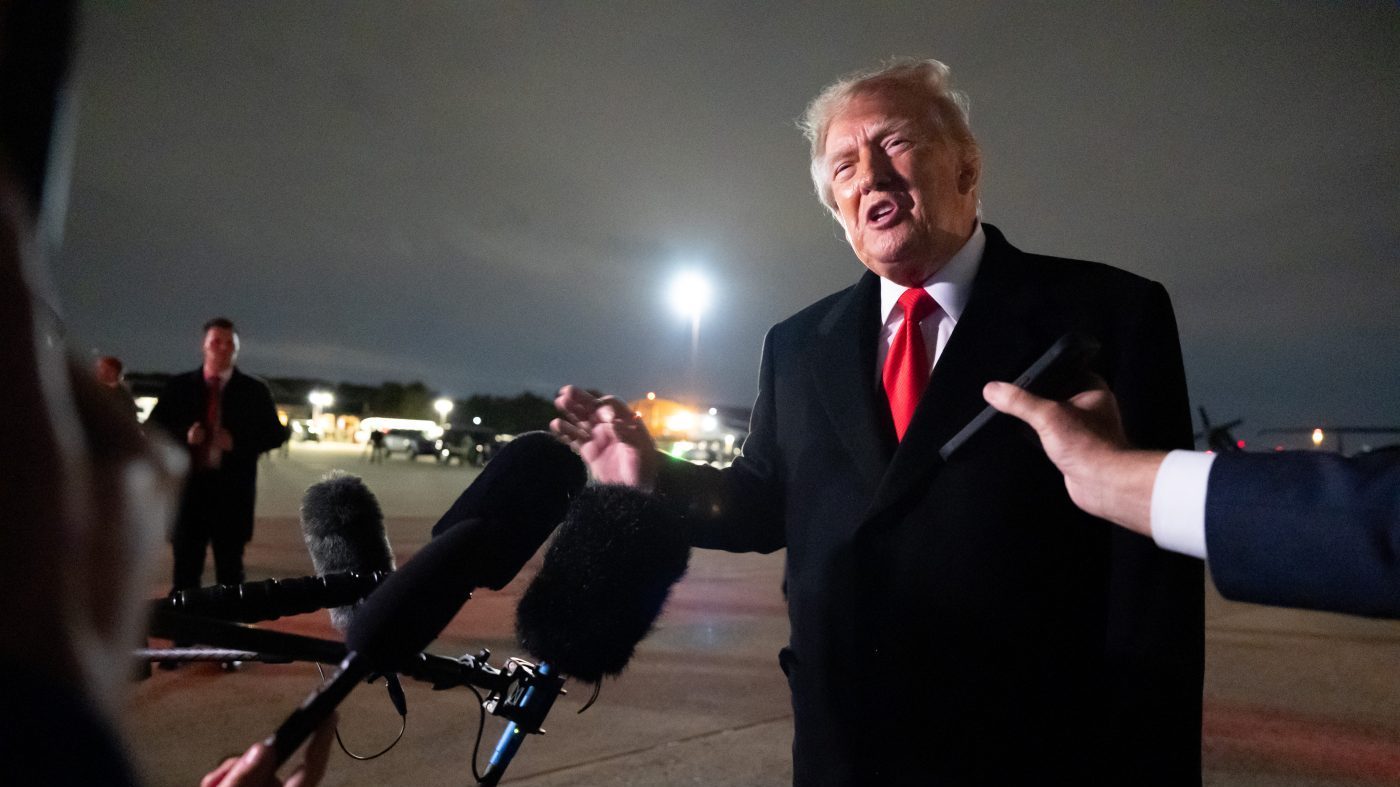
President Trump, who frequently relied on Graham as a loyal supporter, took to his social media platform to call the late senator “one of the greatest people and Senators I have ever known.” Trump added that “details and arrangements” would be released shortly. The president’s tribute was among the first of what is expected to be a wave of remembrances from both sides of the aisle.
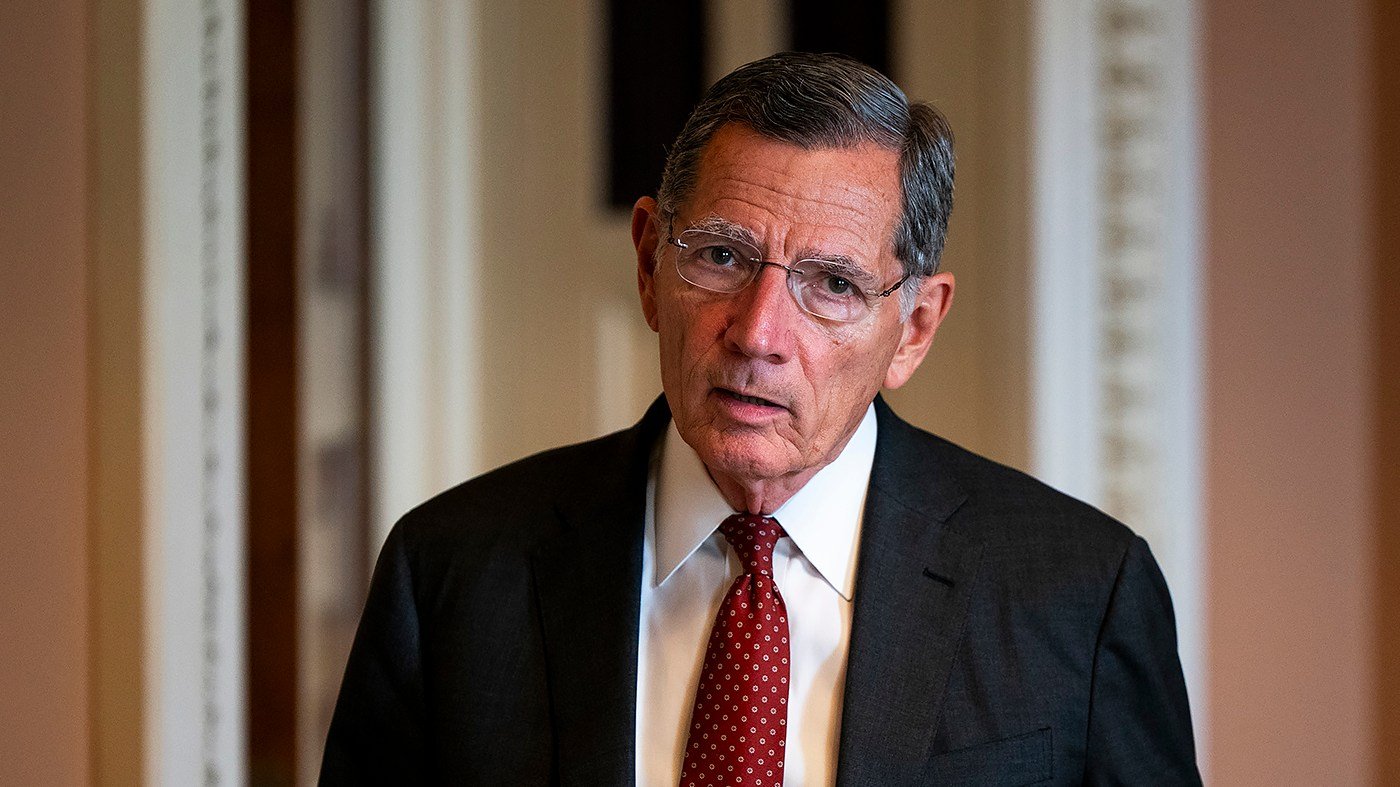
Graham was scheduled to appear on NBC’s “Meet the Press” on Sunday morning. Instead, moderator Kristen Welker announced on X that President Trump and Israeli Prime Minister Benjamin Netanyahu would join the program to pay their respects to the longtime lawmaker. The shift underscores Graham’s close ties to both leaders, particularly his role in shaping U.S. foreign policy on Israel and Iran.
Graham’s death comes at a moment of heightened political tension, including ongoing threats against Trump. Intelligence reports have revealed an Iranian assassination plot targeting the former president, a matter Graham had publicly addressed. In recent months, he had also been a vocal advocate for a bipartisan push to advance sanctions on Russia. Senators from both parties had struck a deal with the White House to move that legislation forward, with Graham playing a key negotiating role.
Beyond foreign policy, Graham was known for his sharp commentary and willingness to cross party lines on issues like immigration and healthcare. He had recently weighed in on a bipartisan effort to monitor hospice-assisted suicide for potential discrimination, reflecting his interest in end-of-life ethics. His absence will leave a notable void in Senate debates on these and other matters.
The South Carolina Republican’s career was marked by a transformation from a frequent critic of Trump to one of his most steadfast defenders in Congress. Graham chaired the Senate Judiciary Committee and was a central figure in Supreme Court confirmations, including the rapid appointment of Justice Amy Coney Barrett. His death will trigger a special election process in South Carolina to fill his seat.
As the nation mourns, officials are preparing for a series of memorial services. The White House has announced that flags will be flown at half-staff. Meanwhile, the Senate is expected to pause its schedule in the coming days to allow lawmakers to travel to South Carolina for services.
Graham is survived by his daughter, and his legacy will be debated for years. For now, the political world is united in acknowledging the sudden end of a consequential career.