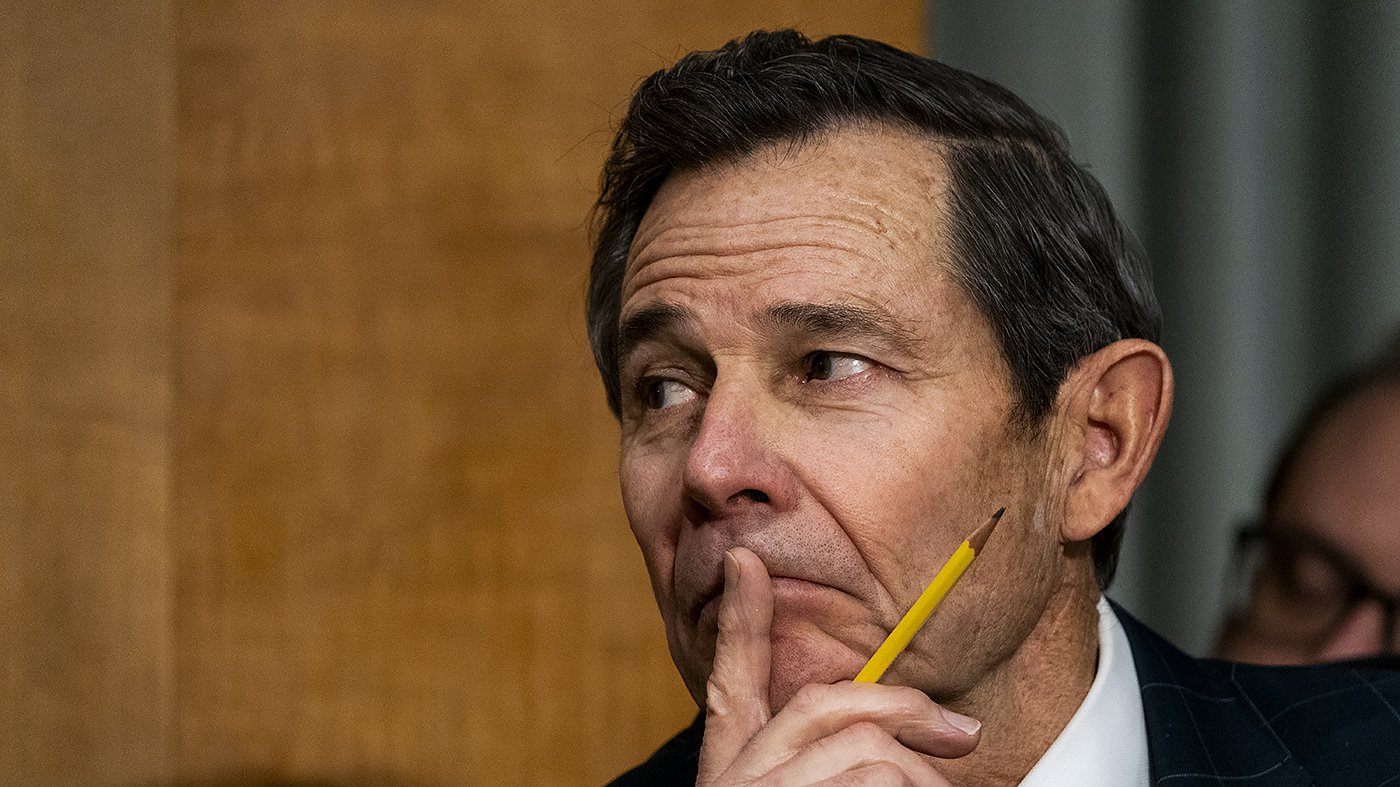
Senator John Curtis, a Utah Republican, has issued a stark constitutional challenge to the administration's military campaign against Iran, stating he will not support continued operations beyond a 60-day period without explicit congressional approval. In an op-ed published Wednesday, Curtis framed his position as a defense of the separation of powers, arguing the War Powers Resolution of 1973 provides a "fully sufficient window" for emergency presidential action before requiring legislative consent.
A Constitutional Check on War Powers
Curtis described the Iran conflict not as an emerging threat but as a "long-standing, well-organized and well-funded campaign against American lives and interests." While expressing support for the president's initial defensive actions, he insisted that "constitutional limits are in place to temper the president from unilateral authority." His stance highlights a growing tension within the GOP between executive authority and legislative war powers, a debate that has intensified under administrations frequently testing emergency powers.

"I support the president's actions taken in defense of American lives and interests," Curtis wrote. "However, I will not support ongoing military action beyond a 60-day window without congressional approval." He characterized the War Powers Resolution, born from the Vietnam War era, as a "reasonable compromise" designed to prevent the "tragic cost" of prolonged conflict without democratic accountability.
Bipartisan Concerns Over Authorization
Curtis's declaration found immediate bipartisan resonance. House Democratic Caucus Vice Chair Ted Lieu of California agreed, stating plainly on social media that "the Constitution means what it says: only Congress can declare war." Lieu went further, vowing not to "consider voting for a dime of military funding for the war unless Congress first approves an Authorization for Use of Military Force (AUMF)." This alignment suggests potential for a cross-aisle coalition focused on reasserting congressional authority, similar to recent bipartisan demands for accountability on other national security matters.
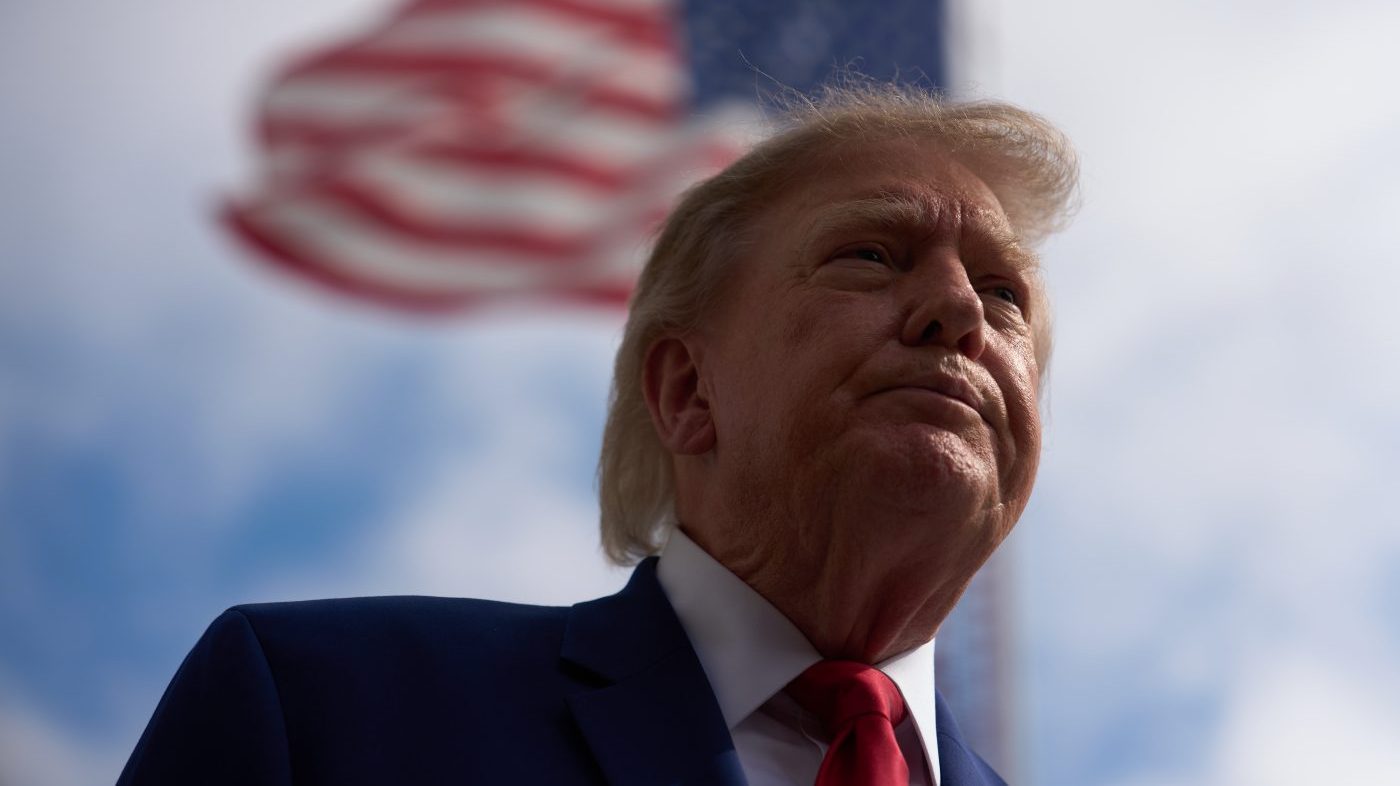
The administration has not sought a formal declaration of war, arguing the operation that began on February 28 is "near completion." Yet, contradictory statements have muddied the waters. President Trump recently threatened to send Iran "back to the stone ages" if no deal is reached, even as officials claim the conflict is weeks from concluding. This lack of a clear objective and exit strategy has fueled discontent among some Republicans.
Representative Nancy Mace of South Carolina echoed Curtis's concerns, telling CNN that any escalation involving "conventional troops on the ground" would constitute a different phase of conflict requiring congressional briefing and approval. "Congress needs to have a say," she emphasized.
Legislative Pushback and Political Calculus
House Republicans previously defeated an attempt to curtail the president's war powers in March, with only Representatives Thomas Massie of Kentucky and Warren Davidson of Ohio breaking ranks. However, Democratic lawmakers plan to force another vote after the spring recess, capitalizing on Republican unease over the administration's vague objectives and the conflict's economic impact. It remains unclear how many GOP members might defect on a second attempt.
Curtis sought to balance his constitutional argument with pragmatic security concerns. "I understand the need to replenish U.S. stockpiles, strengthen the defense industrial base and maintain the capabilities needed to deter China," he noted, expressing support for a supplemental funding bill focused on those readiness efforts. "But I cannot support funding for continued military operations without Congress having the opportunity to weigh in."
He concluded by framing the issue as a foundational tension in American governance: "Supporting decisive action in the moment and insisting on constitutional accountability in the long term are not contradictions but a tension mandated by our founding documents. On matters of such dire national consequences, the president and Congress are supposed to work in concert. Let us ensure that they do." This debate unfolds as political pundits continue to demand decisive action in Iran without clearly defining the strategic endgame, leaving a critical gap between rhetoric and policy.