The Senate approved a sweeping $70 billion immigration enforcement package early Friday morning, ending a chaotic week that saw Republican infighting over a proposed fund for victims of federal prosecutions—a provision critics said could have benefited January 6 rioters. The final vote was 52-47, following an 18-hour 'vote-a-rama' that defeated 28 procedural amendments.
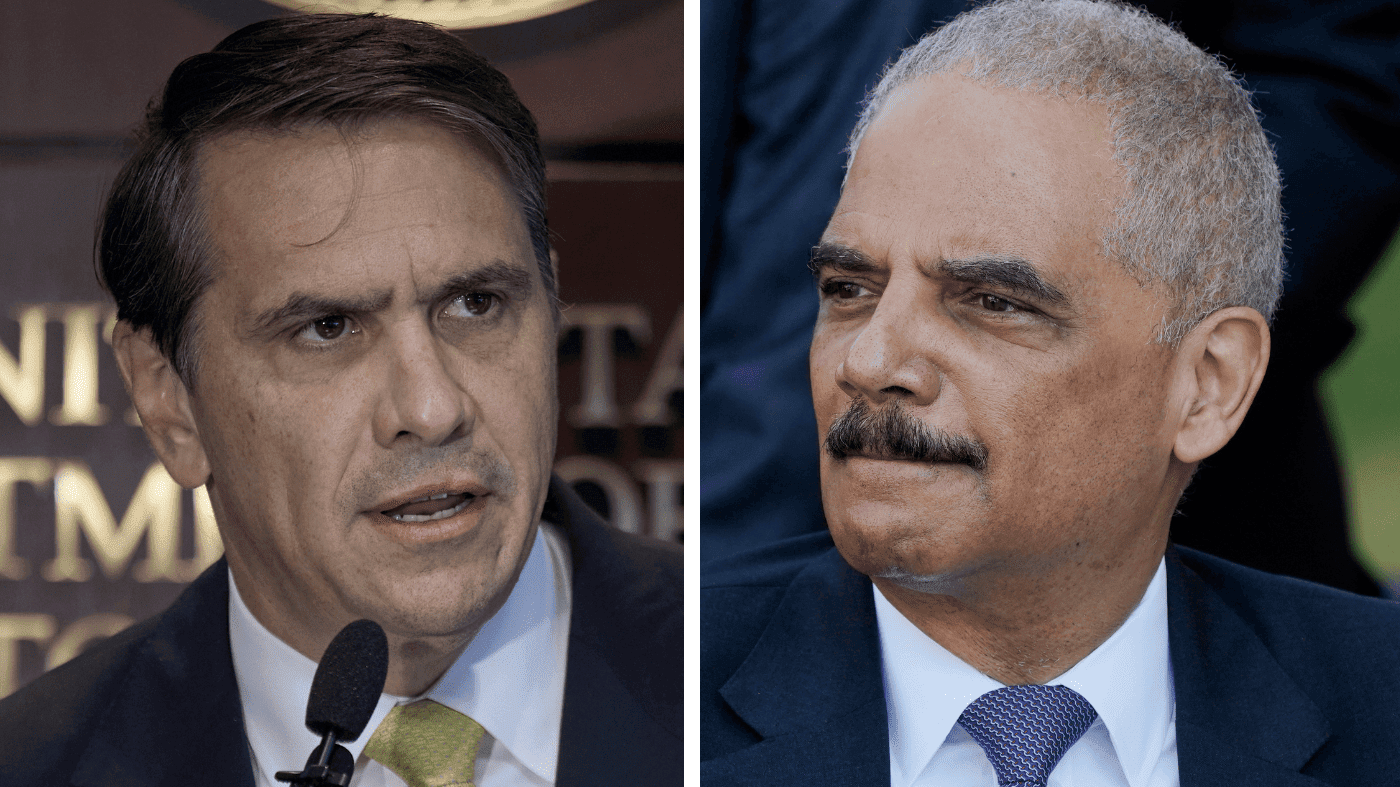
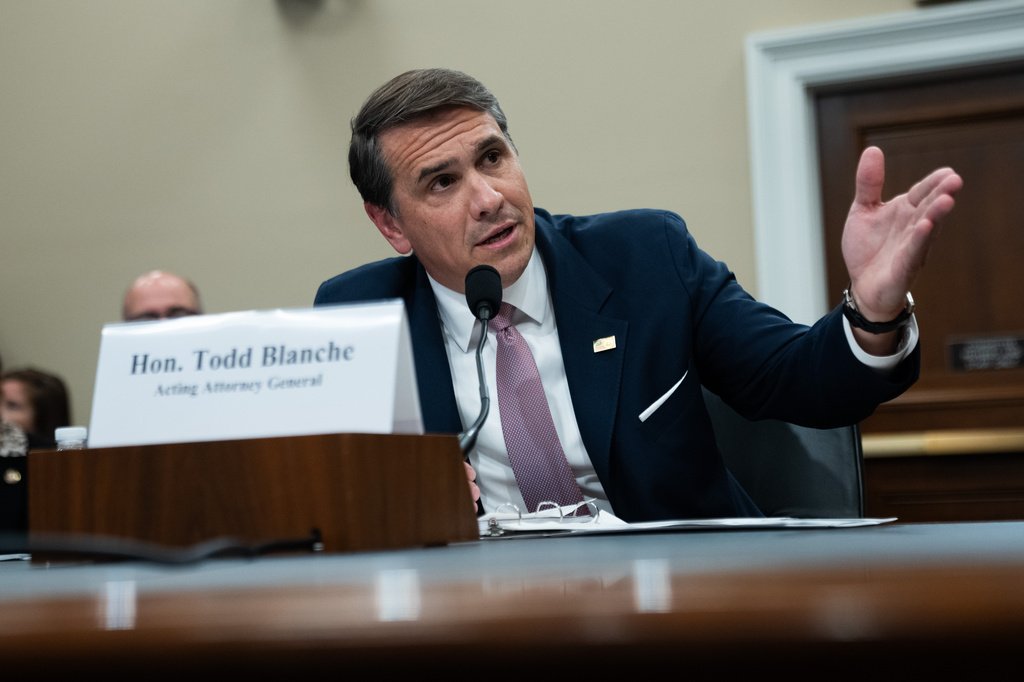
The most contentious element was a $1.776 billion 'Anti-weaponization Fund,' originally part of a settlement in President Trump's personal lawsuit against the IRS over the leak of his tax returns. The fund was championed by Acting Attorney General Todd Blanche, Trump's former personal attorney, who framed it as compensation for those targeted by government overreach. But a significant bloc of Senate Republicans balked, arguing the fund could potentially pay individuals who stormed the Capitol on January 6, 2021, to disrupt the Electoral College count.

Blanche reversed course last Tuesday, telling a House appropriations subcommittee the fund was 'not moving forward, period.' When pressed by Democrats to put that in writing, he declined, saying it was unnecessary. The next day, Trump told reporters he 'loved' the fund and called it 'so important,' but his subsequent nomination of Blanche to be permanent attorney general suggested he was not deeply upset by its demise.
By Friday, Justice Department lawyers confirmed in separate court appearances in D.C. and Virginia that the fund was officially dead, arguing that challengers lacked standing and that the case was moot since the fund never existed. However, the second part of the settlement remained intact: immunity for Trump, his family, and his businesses from further audits or liability for taxes still owed—estimated by some at over $100 million.
The narrowest vote came on a motion from Minority Leader Chuck Schumer (D-N.Y.) to send the bill to the Senate Judiciary Committee with instructions to make any anti-weaponization mechanism unlawful. That motion failed 49-50 after a three-hour hold. The House cleared the Senate-passed bill on Tuesday, 214-212, without further amendment.
The elimination of the fund was a clear concession to Republican skeptics, but it did not close the door on compensation for alleged government abuses. Victims can still sue under the Treasury Department's Judgment Fund, a permanent 1956 appropriations statute that has no cap and little accountability. Several of Trump's former associates, including former national security adviser Michael Flynn, have already collected more than $800 million from that fund.
In a related development, a federal judge rejected a lawsuit over the scrapped fund, warning the Justice Department not to 'play possum' by pretending the matter was closed. The judge's ruling underscored lingering legal uncertainty around the administration's handling of the settlement.
Critics argue the entire anti-weaponization fund controversy was a diversionary tactic, drawing attention away from the core benefit to Trump: resolving his personal tax liabilities and leaving him financially better off than when he took office. Whether intentional or not, the episode left many observers questioning the trade-offs made to secure the border bill's passage.