Senate Republicans are scrambling to salvage President Trump's $1 billion White House ballroom project after the chamber's parliamentarian ruled the funding violates budget rules, setting up a contentious floor fight this week.
Parliamentarian Elizabeth MacDonough dealt the GOP a significant blow Saturday, determining that the plan to funnel hundreds of millions of taxpayer dollars into the 90,000-square-foot ballroom violated the Byrd Rule, which bars extraneous provisions from budget reconciliation bills. The ruling means the provision cannot pass with a simple majority, forcing Republicans to either rewrite the language or abandon the project.
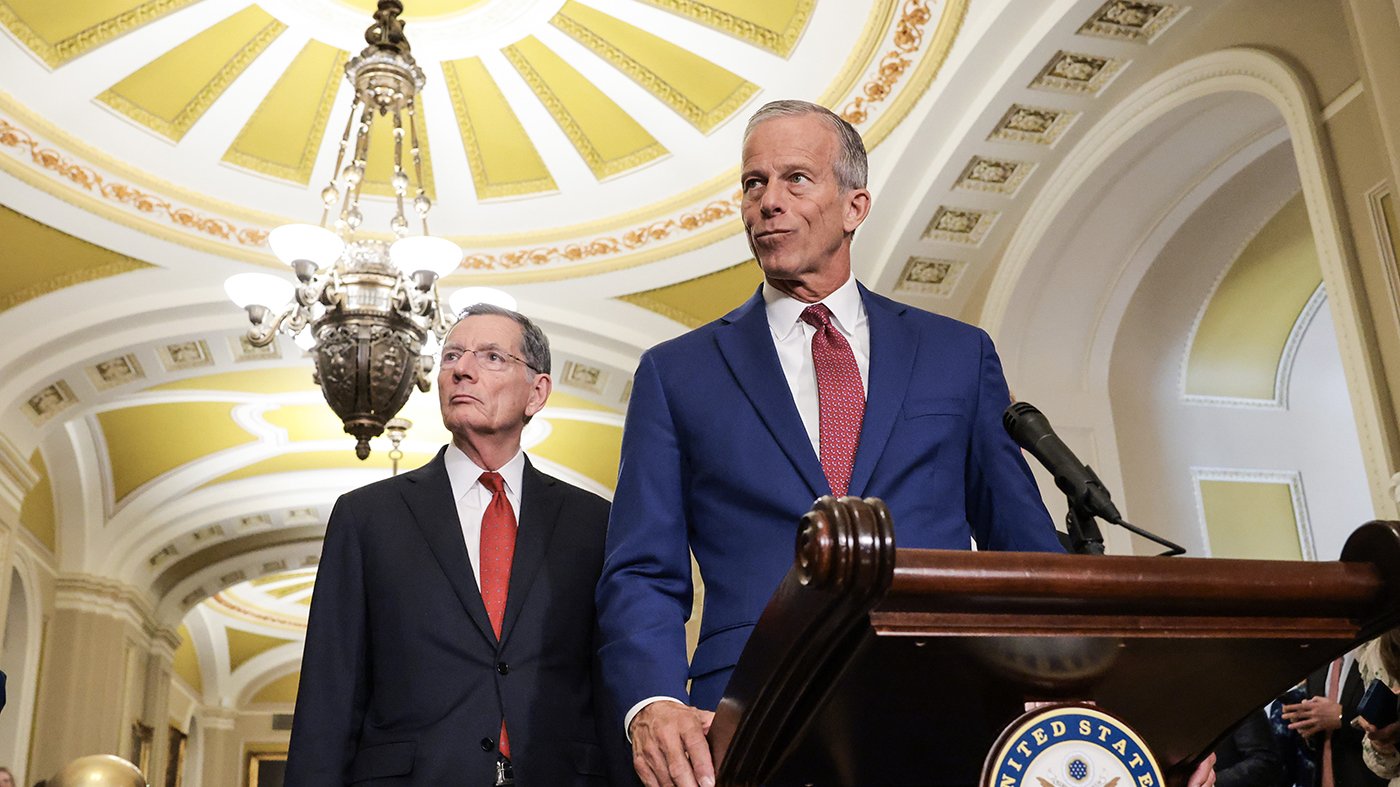
Senate Majority Leader John Thune's office signaled they would not give up easily. "Redraft. Refine. Resubmit. None of this is abnormal during a Byrd process," Ryan Wrasse, a senior aide to Thune, posted on social media. The GOP is expected to revise the ballroom funding to comply with the Byrd Rule, but Democrats are ready to challenge any new language.
Senate Democratic Leader Chuck Schumer hailed the parliamentarian's guidance as a victory and vowed to target Republicans who support the project. "Republicans' only focus has been funding Trump's ballroom and throwing tens of billions more taxpayer dollars at ICE and Border Patrol without any reforms or accountability," Schumer said in a joint statement with other senior Democrats. "Democrats are prepared to challenge any future language the Republicans try to pass to use taxpayer dollars to fund Trump's ballroom."
The political fallout is intensifying as vulnerable GOP senators face pressure to defend the controversial spending. Four Republican senators voiced complaints at a recent lunch meeting, according to a source familiar with the discussion, and multiple GOP lawmakers privately expressed hope that the parliamentarian would kill the provision to spare them a difficult vote. "There's a lot of discomfort because of the amount" of money, one GOP senator said. "If it gets 'Byrded' out, I don't think some people are going to cry about it."
Senator Lindsey Graham, a close Trump ally and Budget Committee chair, is pushing to preserve the funding, which the Judiciary Committee allocated to the Secret Service for security upgrades around the White House campus. Trump has repeatedly emphasized the ballroom's importance in conversations with Graham, sources say.
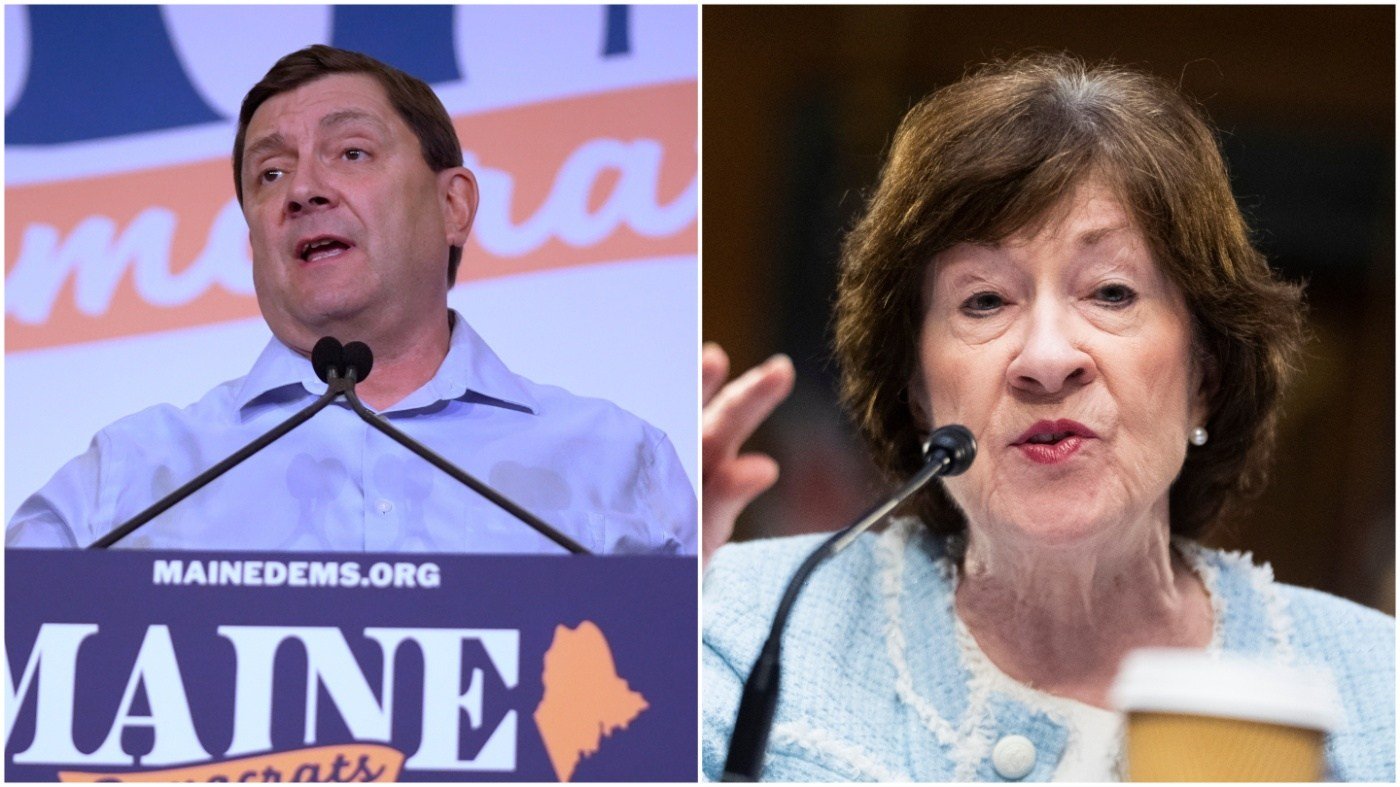
Democrats are planning a barrage of amendments to redirect the ballroom money to other priorities, such as lowering healthcare costs. "It's terrible politics, that's why we're going to beat them up on it at every opportunity," a Democratic senator said, predicting multiple votes targeting Republicans like Susan Collins, Dan Sullivan, and Jon Husted. "We're going to beat that baby up."
Schumer has branded the GOP "ballroom Republicans" and compared the project to Versailles. "Trump said not one penny of federal money would be used for the ballroom. Well, give me a break, another lie," Schumer said at a press conference. "These ballroom Republicans are choosing Trump's chandelier over your child's care." He noted that a CNN poll found 77% of Americans say Trump has raised their costs, contrasting that with the "billion-dollar ballroom."
The fight comes as Republicans juggle multiple priorities, including efforts to boost Pentagon funding and cut fraud through a third reconciliation bill. Meanwhile, Trump's credibility crisis continues to strain alliances, and the administration is issuing ultimatums to Iran as nuclear talks stall.
The ballroom saga underscores the political risks for Republicans, who must balance delivering on Trump's demands with avoiding backlash from voters wary of lavish spending. As the Senate braces for a marathon series of votes starting Thursday, the fate of Trump's ballroom—and the political fortunes of vulnerable GOP senators—hangs in the balance.