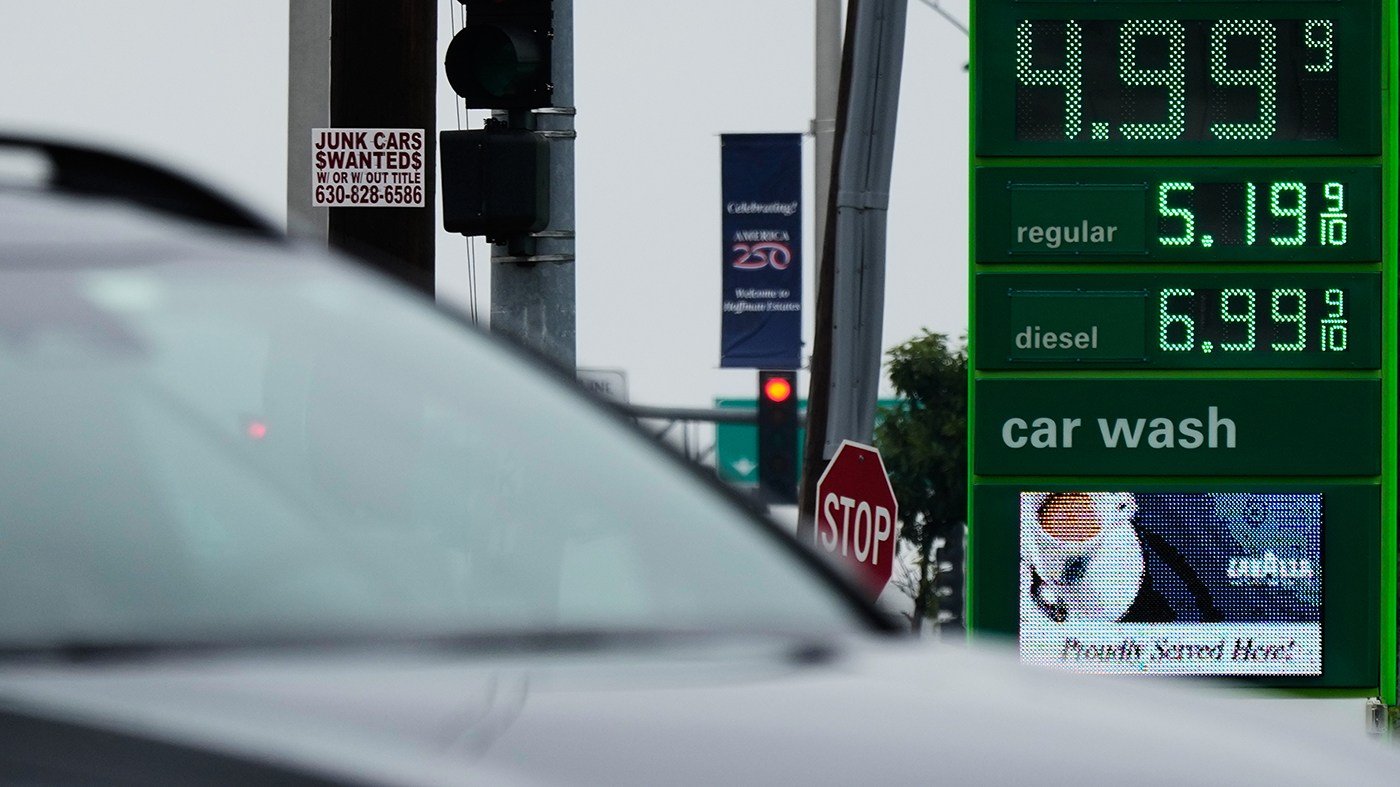
Republican senators' efforts to deliver relief at the pump before the midterms collapsed under the weight of intraparty warfare, as lawmakers from different regions clashed over the best way to ease soaring fuel costs. The failure leaves the party without a unified message on an issue that polls show is a top concern for voters.
The divisions within the Senate GOP conference were largely geographic. Senators from oil-refining states blocked proposals from farm-state colleagues to ban diesel exports or loosen restrictions on E15, a higher-ethanol gasoline blend. "You're talking about regional politics, and it gets bogged down in the politics of energy, and the fiefdoms around it," said Ron Bonjean, a GOP strategist and former Senate leadership aide.
Fiscal hawks also torpedoed a proposed gas tax holiday, despite arguments that a temporary suspension would have minimal impact on the highway trust fund. Lawmakers had less flexibility on other options because of the depletion of the Strategic Petroleum Reserve, which had been drained to stabilize markets during the Iran war. The biggest hurdle, however, was skepticism that any proposal would meaningfully move prices before Nov. 3. "It is almost impossible to federally reduce gasoline prices for consumers because the levers of power that can be used have very little effect on the prices," Bonjean said.
The most prominent idea was a 90-day ban on diesel exports, floated by Sen. Chuck Grassley (R-Iowa) in mid-September. Grassley argued that President Trump should follow the example of past presidents who imposed export embargoes on soybeans and wheat to control food prices. "We need to concentrate on affordability for this election. With diesel at $6, the best thing Trump could do is follow what a Republican president did in the '70s and a Democrat president did in the '70s," he said.
Trump initially embraced the idea, but it faced immediate pushback from oil-state senators and industry executives, who contended that an export ban would backfire. "One thing we know for sure is that export bans don't have a negative price impact, particularly with a commodity like that that's globally traded and globally priced," said Sen. Kevin Cramer (R-N.D.). He warned that restricting global supply would likely raise diesel prices, especially in regions like California and the Northeast that rely on foreign imports. Sen. John Cornyn (R-Texas) dismissed the ban as a "gimmick."
The White House floated the ban in late September, despite Energy Secretary Chris Wright's warning that it "definitely doesn't work." Trump ultimately ruled it out last week. Earlier, fiscal hawks like Sen. Rand Paul (R-Ky.) opposed a gas tax suspension proposed by Sen. Josh Hawley (R-Mo.), citing the impact on the highway trust fund.
Farm-state senators also pushed for permanent expansion of E15 sales. Sen. Mike Rounds (R-S.D.), facing reelection, argued that voluntary E15 nationwide could cut prices by as much as 30 cents a gallon. But oil-state Republicans countered that broader E15 availability would hurt small and mid-size refiners. Senate Majority Whip John Barrasso (R-Wyo.) voiced opposition to what he called a "year-round E15 mandate" after EPA Administrator Lee Zeldin announced summer sales expansion.
The fight is expected to continue during the lame-duck session. Senate Majority Leader John Thune (R-S.D.), campaigning with candidate Michele Tafoya in Minnesota, said he expects the stalled farm bill to include E15 provisions. "I intend and expect fully to get this done and get it across the finish line," Thune said. "And it will include E15, exact version maybe to be determined."
GOP strategists remain doubtful that Washington can do much to lower gas prices unless Trump finds a military or diplomatic solution to reopen the Strait of Hormuz, a key oil shipping lane. Meanwhile, the party's inability to act on fuel costs may become a liability, especially as the administration's messaging on refinery woes fails to resonate with voters. The OPEC+ decision to keep output steady offers no immediate relief either.