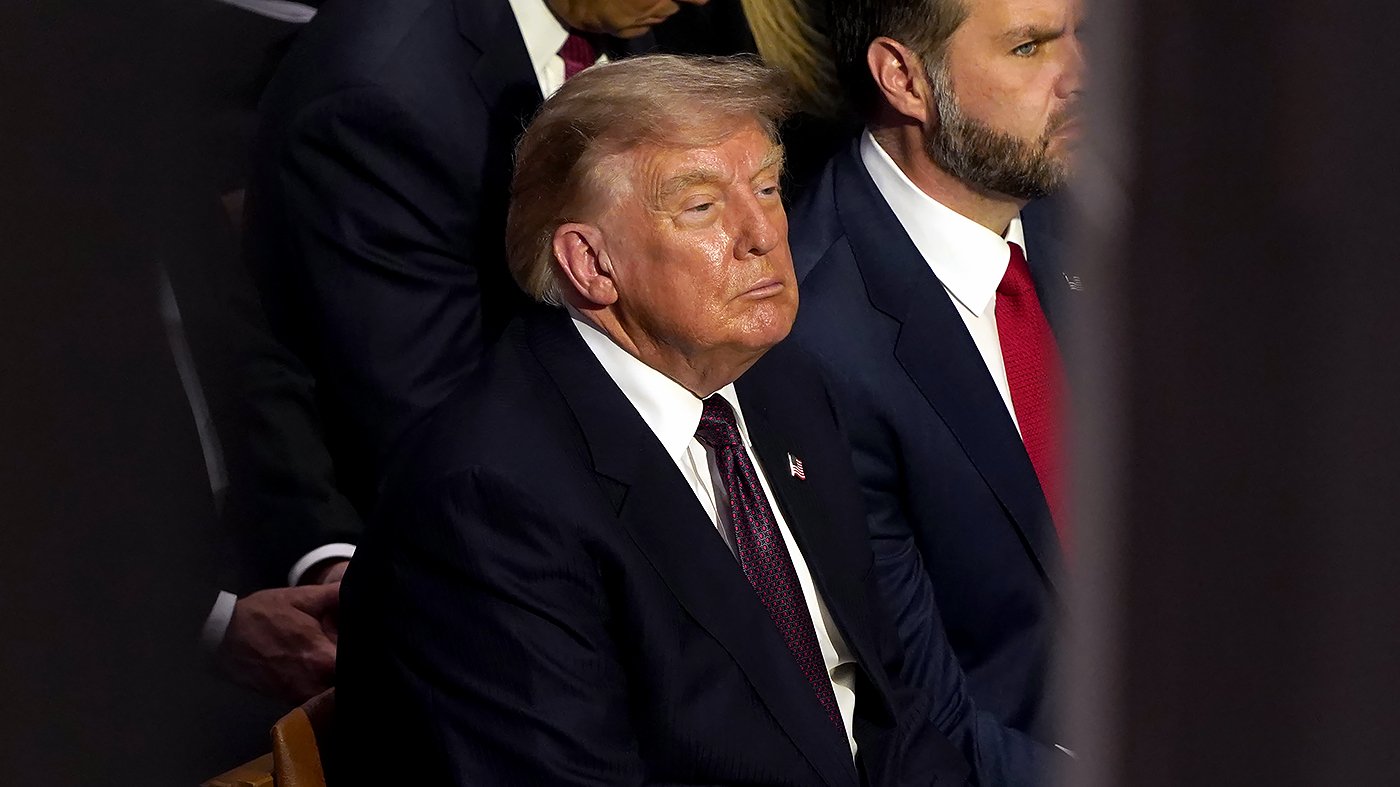
Senate Republicans are pushing back against President Trump's demand to pass the House-approved budget framework before the August recess, with GOP leaders acknowledging the proposal lacks the necessary support to move forward. The standoff underscores growing tensions between the White House and Senate Republicans over fiscal priorities and legislative strategy.
Senate Majority Leader John Thune (R-S.D.) told reporters Wednesday that the current proposal does not have the 50 votes required for passage, despite Trump's repeated calls for swift action. "Right now, we don't have 50," Thune warned after Trump renewed pressure on social media. Trump responded sharply, declaring the lack of progress "too bad" for Thune and the party.

The House-passed resolution, which includes $73 billion in new defense spending and reforms tied to the SAVE America Act, faces significant hurdles in the Senate. Republicans cite the need for weeks of additional work to craft a package that can unify their divided conference and pass muster with the Senate parliamentarian. The timeline is further complicated by Trump's late push to include a debt limit increase covering the remainder of his term.
Senate Appropriations Committee Chair Susan Collins (R-Maine) said the priority should be passing a continuing resolution to fund the government through December, rather than rushing a budget vote. "I don't think we're ready to move on a budget resolution," Collins said, emphasizing the need for bipartisan work on government funding. She also noted the lengthy process of vetting the resolution with Senate Parliamentarian Elizabeth MacDonough.
Sen. Joni Ernst (R-Iowa) expressed skepticism about the Pentagon's funding requests, saying she needs more transparency before supporting additional defense spending. "We've heard so many different numbers coming from the Pentagon over the last six months," Ernst said. "I'm pretty skeptical that's all they need." Senate Armed Services Committee Chair Roger Wicker (R-Miss.) argued the package should include significantly more than $73 billion for defense, though he declined to specify a target.
Fiscal conservatives like Sen. Rand Paul (R-Ky.) are demanding that any new spending be offset by cuts elsewhere. "I'm not for using budget reconciliation to put us further in debt," Paul said, rejecting the idea of expanding the national debt without corresponding reductions. The debt limit issue is especially contentious, with Trump pushing to raise it for the final two years of his presidency. Thune acknowledged the challenge, noting that fiscal conservatives would insist on major spending cuts to offset any increase in borrowing authority.
The internal GOP divisions mirror those seen during last year's debate over the One Big Beautiful Bill Act, which raised the debt limit by $5 trillion. Sen. Bill Cassidy (R-La.) echoed concerns about fiscal discipline, saying, "I want things paid for." The impasse leaves the path forward for budget reconciliation uncertain, with Senate Republicans unwilling to bow to White House pressure ahead of the midterm elections.
As tensions escalate, Trump has also been downplaying holds on key nominations, further straining relations with Senate Republicans. Meanwhile, the administration's focus on defense spending comes amid broader geopolitical challenges, including retaliation threats following an Iran missile strike. The budget standoff highlights the limits of Trump's influence over a Senate conference wary of political risks ahead of the November elections.