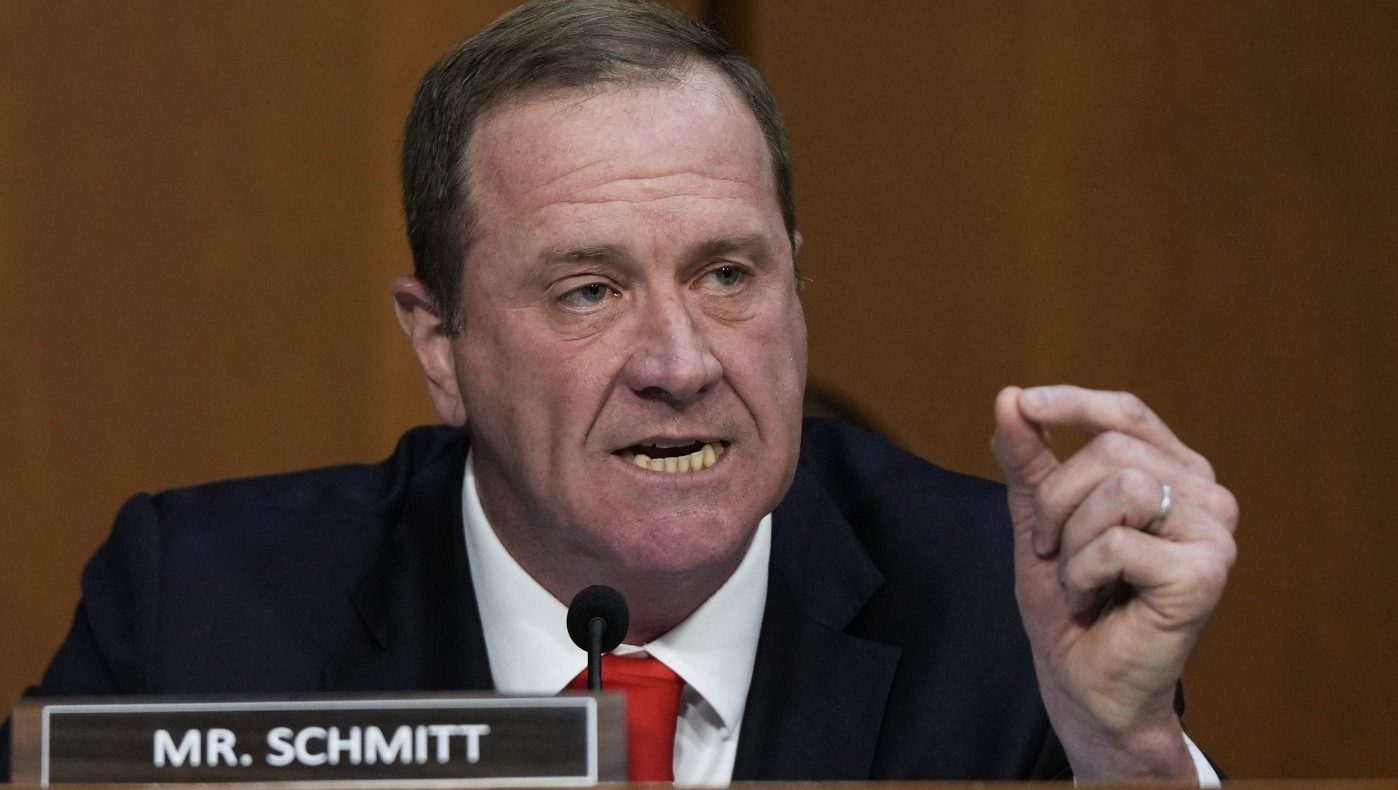
Senator Eric Schmitt, a Missouri Republican on the Senate Judiciary Committee, has publicly urged House Republicans to initiate impeachment proceedings against James Boasberg, the chief judge of the U.S. District Court for the District of Columbia. This call to action follows a decision by the D.C. Circuit Court of Appeals that halted Judge Boasberg's investigation into whether former Trump administration officials should be held in criminal contempt.
Appeals Court Halts 'Improper Investigation'
The controversy stems from Judge Boasberg's efforts to examine officials, including former Homeland Security Secretary Kristi Noem, for allegedly defying a court order to stop deportation flights to El Salvador. In a 2-1 ruling, the appellate panel found that Boasberg was conducting what it termed an "improper investigation" and a "clear abuse of discretion." The court's majority opinion, written by Trump-appointed Judge Neomi Rao, warned that allowing such a judicial probe could create "an open-ended, freewheeling inquiry into executive branch decision-making on matters of national security," potentially affecting military and diplomatic operations.
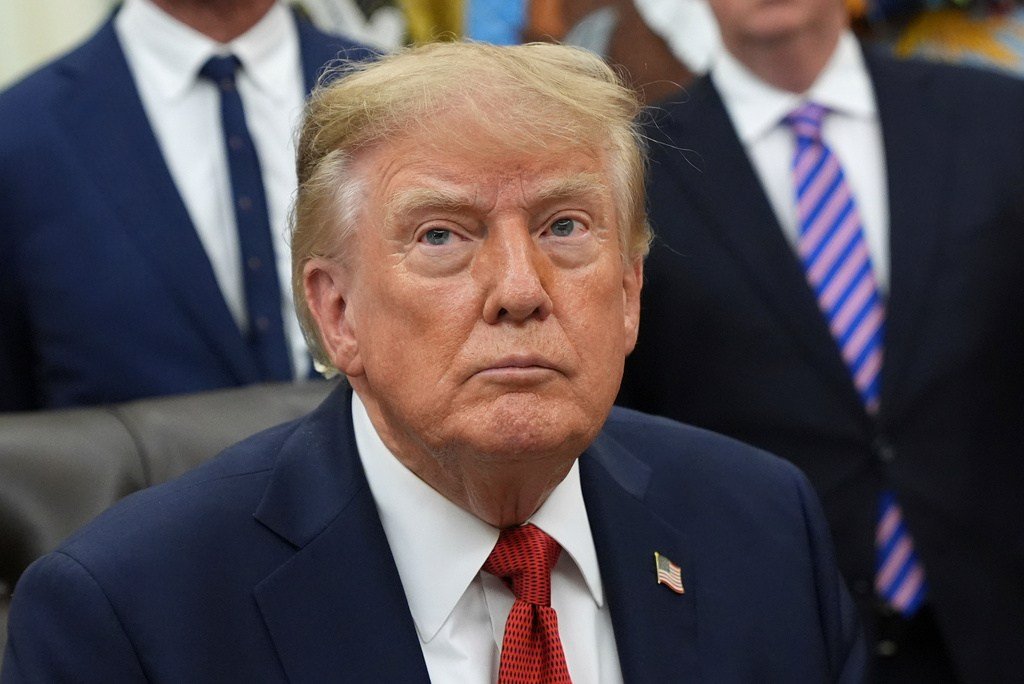
Senator Schmitt, a vocal supporter of the previous administration's immigration enforcement actions, seized on the ruling. "The D.C. Circuit ruled Boasberg's contempt crusade against Trump officials is an 'improper investigation' and 'clear abuse of discretion,'" Schmitt stated on social media. "He tried to imprison Trump officials for deporting Venezuelan gang members. I'm calling on the House: Impeach Rogue Judge Boasberg."
A Political Long Shot with Legal Ramifications
Schmitt's impeachment push is widely seen as a political maneuver with little chance of success, as any removal would require 67 votes in the Democratic-controlled Senate. However, it highlights the ongoing partisan battles over the judiciary's oversight of executive power. The Justice Department, under Acting Attorney General Todd Blanche, applauded the appeals court decision. Blanche accused Boasberg of targeting career attorneys, stating the ruling should "finally end Judge Boasberg's year-long campaign against the hardworking department attorneys doing their jobs fighting illegal immigration."
The case underscores the tension between judicial authority and executive action, a recurring theme in recent political clashes. This incident is not isolated; similar fractures have emerged within the GOP over contempt proceedings in other high-profile investigations, revealing strategic divisions on how to handle oversight.
A Fiery Dissent Warns of Eroding Judicial Power
The appellate decision was not unanimous. Judge J. Michelle Childs, appointed by President Biden, issued a vigorous dissent arguing that the majority's ruling dangerously undermines the courts' contempt power. "Contempt of court is a public offense, and the fate of our democratic republic will depend on whether we treat it as such," Childs wrote. She contended that contempt authority is fundamental to judicial independence, warning, "Without the contempt power, the rule of law is an illusion, a theory that stands upon shifting sands."
This judicial clash occurs against a backdrop of intense political scrutiny over the use of contempt powers. Democrats have also threatened contempt charges against former officials in separate probes, illustrating that the tool is wielded across the aisle, though often for different policy objectives.
The core legal dispute revolved around whether Trump-era officials violated Judge Boasberg's order by failing to provide adequate due process to immigrants before their removal to El Salvador. The appellate majority concluded the judge overstepped by launching a criminal contempt investigation instead of pursuing civil remedies. For Schmitt and his allies, the ruling validates their portrayal of the judiciary engaging in partisan overreach, a theme frequently invoked in conservative critiques of legal challenges to Trump-era policies.
While the immediate legal probe is halted, the political reverberations continue. Schmitt's impeachment demand, though symbolic, fuels the ongoing debate about the limits of judicial authority and executive accountability. It also reflects the broader strategy of some congressional Republicans to aggressively challenge legal decisions they view as hostile to their agenda, a dynamic seen in other policy fights where GOP senators have demanded strict conditions on executive actions.