Republican Rift Emerges Over Iran War Funding
A significant division has opened within the Senate Republican conference over how to handle an anticipated White House request for billions in supplemental funding for military operations against Iran. Several prominent GOP senators are now insisting that Congress must first pass a formal Authorization for the Use of Military Force (AUMF) and that the administration must present a clear exit strategy before they will approve any new war spending.
War Powers Deadline Looms
The 1973 War Powers Act allows the president to engage in military action for 60 to 90 days without congressional approval to address imminent threats. With that window closing near the end of May, a group of Republican lawmakers, led by Senator Lisa Murkowski of Alaska, is discussing legislation to authorize continued hostilities. They view this congressional authorization as a necessary prerequisite for approving what could be tens of billions in new Pentagon funding.
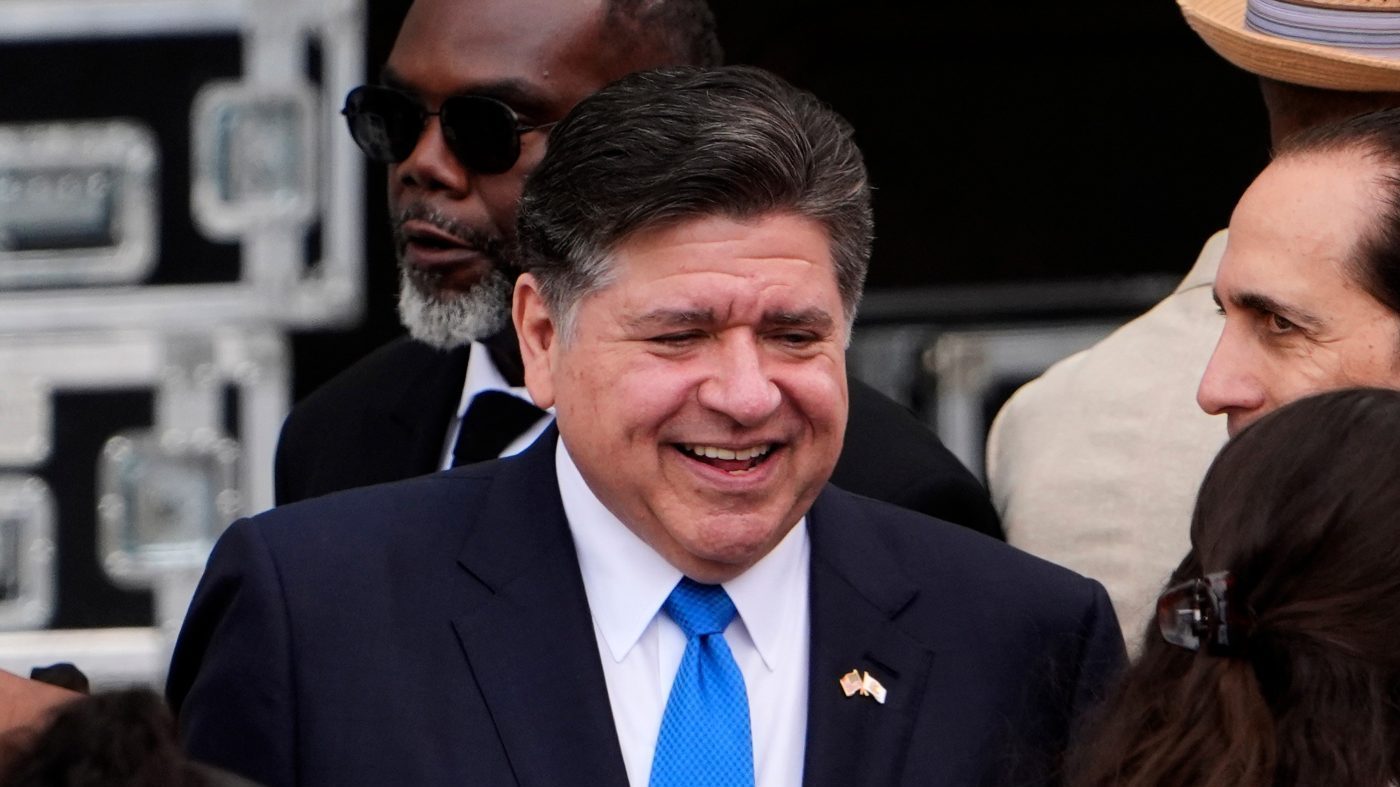
Senator John Curtis of Utah stated the White House must fulfill a "long list" of requirements before he would vote to extend the conflict beyond the War Powers timeline. "I want to know more about the administration's goals, objectives and strategies for conducting and eventually ending the conflict," Curtis said. He explicitly warned against deploying a large ground force to Iran, calling it a mistake. "Everybody is worried about the conflict dragging on indefinitely," he added, arguing Congress must act if operations stretch beyond three months.
Calls for Clarity and Leverage
Senator Thom Tillis of North Carolina said he is nearing the point of supporting a war powers resolution. "We're at the 45-day mark, now we got to start talking about an authorization for the use of military force," Tillis explained. "The White House has to have a very well-articulated plan for exiting." He suggested that a congressional authorization could actually strengthen President Trump's hand in potential peace talks by demonstrating solid Capitol Hill support, despite the war's unpopularity in national polls. "We need just a clear indication of where the administration wants to go: double-down or begin the cessation of hostilities?"
This demand for a defined strategy is echoed by Senator Jerry Moran of Kansas, a senior appropriator. Moran said he needs "significant more information about where we are, where we've been and where we're going" before voting for a funding package. An anonymous GOP senator echoed this, stating the White House must present an "exit plan" to secure more war funding, citing rising conference concern over the conflict's duration.
Leadership Pushback and Economic Concerns
Senate Majority Leader John Thune of South Dakota is resisting calls for an immediate war authorization vote. "I think at this point, most of us — I believe — feel pretty good about what the American military has achieved there in terms of its objectives," Thune said, labeling the authorization question "a hypothetical down the road." He expressed hope the conflict would conclude before the 90-day deadline, rendering the issue moot.
The internal GOP dispute over war powers poses a major obstacle to passing a defense supplemental. The White House has reportedly scaled an initial $200 billion request down to between $80 and $100 billion. Senator Lindsey Graham of South Carolina, who initially suggested using budget reconciliation for war funds, has recently shifted focus to a narrower package funding immigration enforcement, reflecting the caucus divisions. These GOP fractures on a major national security issue are not isolated, as seen in other contentious internal party debates.
Beyond procedural concerns, some Republicans are voicing frustration over the war's domestic economic impact. Senator Chuck Grassley of Iowa reported hearing complaints during the recess about soaring diesel and fertilizer prices, which are hitting farmers hard. This economic pressure adds another layer of complexity to the funding debate, linking national security spending to energy and agricultural policy concerns.
The push for an AUMF and exit strategy underscores a growing institutional assertiveness among some Senate Republicans, who are wary of an open-ended commitment. Their stance sets up a potential confrontation with a White House seeking flexibility and resources, and with their own leadership. The outcome will signal whether Congress is willing to reassert its constitutional war powers authority, a dynamic that could influence other areas of contentious White House policy. As the late-May deadline approaches, the GOP's internal debate will determine the path forward for both the conflict and the funding to sustain it.