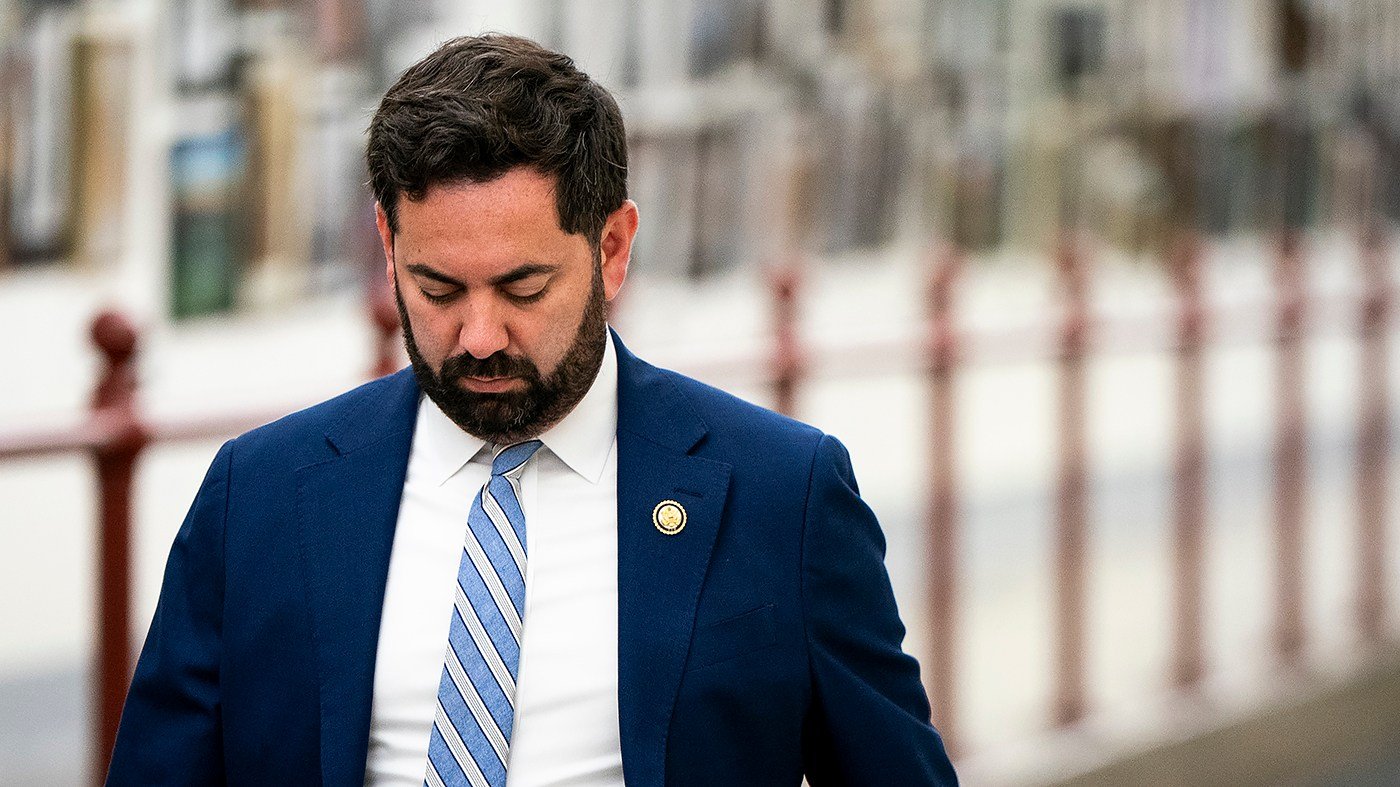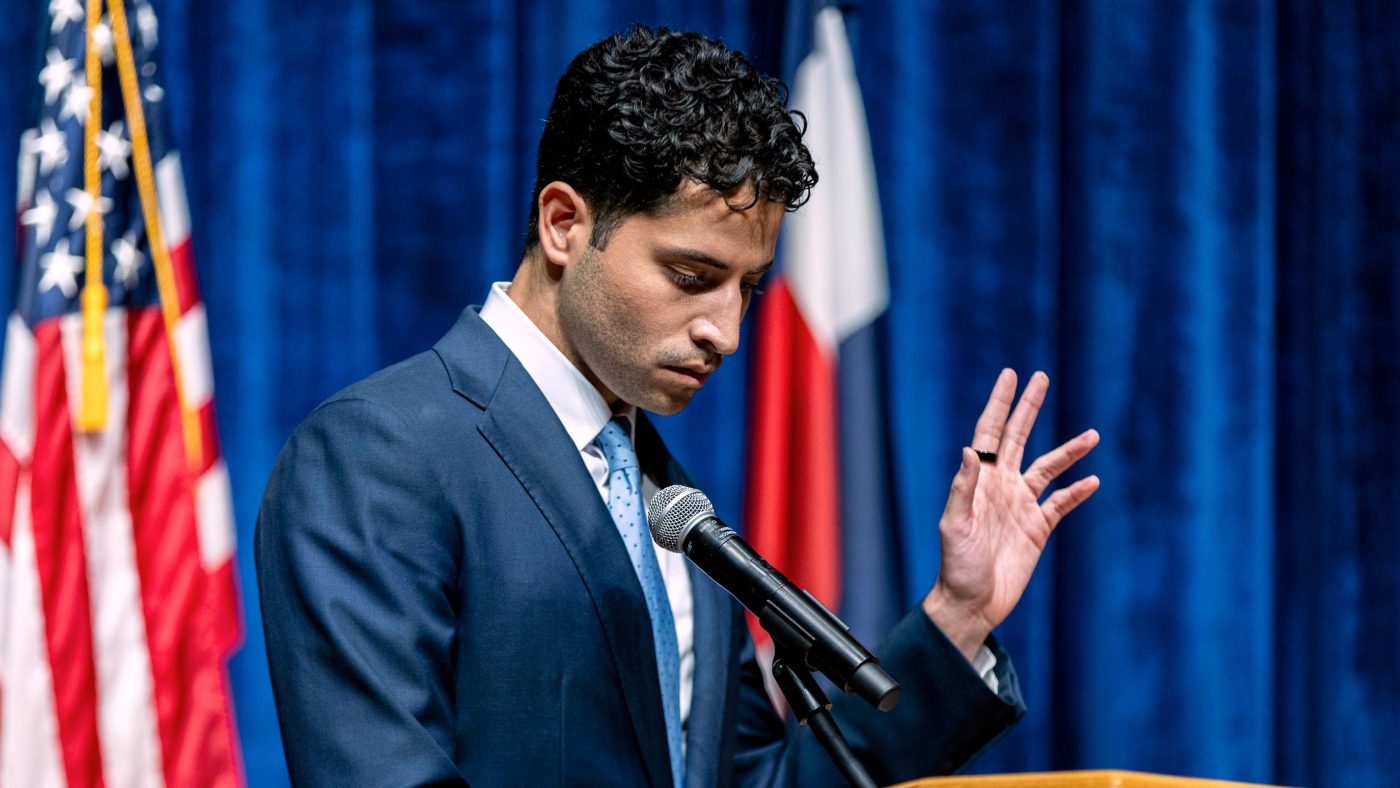
State Rep. Manny Rutinel has secured the Democratic nomination in Colorado's 8th Congressional District, defeating former state Rep. Shannon Bird in a primary that highlighted deep intraparty divisions over immigration and fiscal policy. Decision Desk HQ projects Rutinel's victory, setting up a general election showdown with first-term Republican Rep. Gabe Evans, one of the most vulnerable GOP incumbents in the country.
The district, which stretches from Denver's northern suburbs to Greeley, is a key battleground. Cook Political Report rates the race a “toss-up,” and national Democrats see it as one of their best pickup opportunities this fall. The seat flipped parties in 2022 after redistricting gave Colorado an additional House seat following the 2020 Census.

Rutinel, an attorney and former economist for the U.S. Army Corps of Engineers, campaigned on a platform that emphasized protecting immigrant communities. He criticized Bird for a 2025 committee vote against legislation that would have restricted local governments from sharing personal information with federal immigration authorities and limited federal agents’ access to schools and childcare centers. Bird defended her vote, telling The Denver Post she wanted improvements to the bill but regretted missing the full House vote due to a family medical emergency.
Immigration emerged as a central issue in the primary, with roughly 40% of the district’s population identifying as Latino. Rutinel’s attacks on Bird’s record resonated with progressive activists and immigrant-rights groups, who argued the former state representative had sided with law enforcement over vulnerable communities.
Bird, who served in the Colorado House from 2019 to 2026, hit back by highlighting Rutinel’s vote in favor of the state budget that included Medicaid cuts to address a $1.5 billion shortfall. Rutinel countered that he worked to mitigate the impact on low-income residents, but Bird argued the cuts showed a willingness to sacrifice healthcare for the most vulnerable.
The primary also reflected broader tensions within the Colorado Democratic Party, as seen in other races where establishment figures faced challenges from the left. Rutinel’s victory signals that grassroots energy and progressive organizing remain potent forces in the state’s politics.
General election dynamics are already taking shape, with national Republicans expected to pour resources into defending Evans. The incumbent has aligned himself with GOP leadership on key votes, but the district’s swing nature means both parties will compete aggressively. Rutinel will need to consolidate Democratic support and appeal to independents in the suburbs, where voter turnout often determines outcomes.
The race is likely to draw significant outside spending, as control of the House could hinge on a handful of competitive seats like Colorado’s 8th. For now, Rutinel’s primary win sets the stage for a bitter, high-stakes contest that will test whether Democrats can flip a district that has eluded them since its creation.