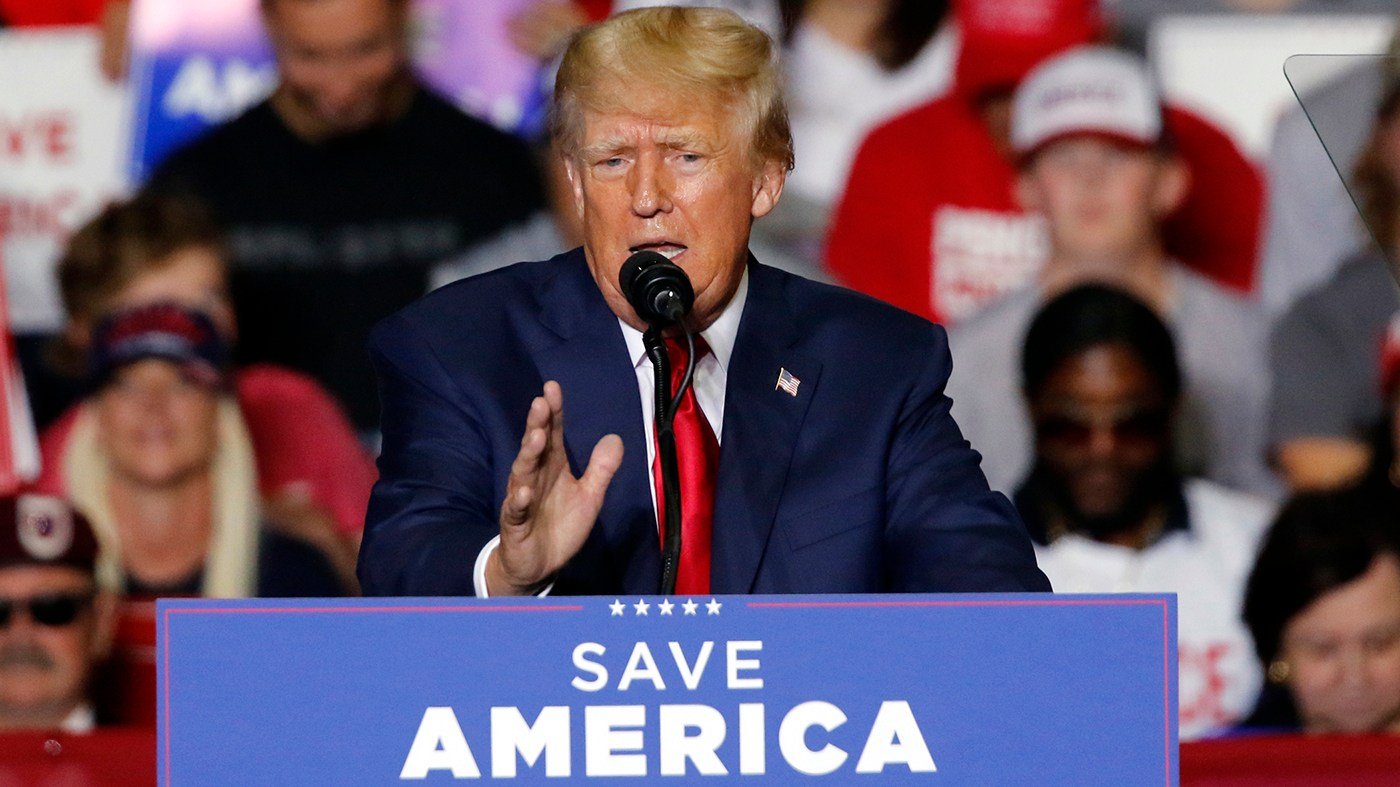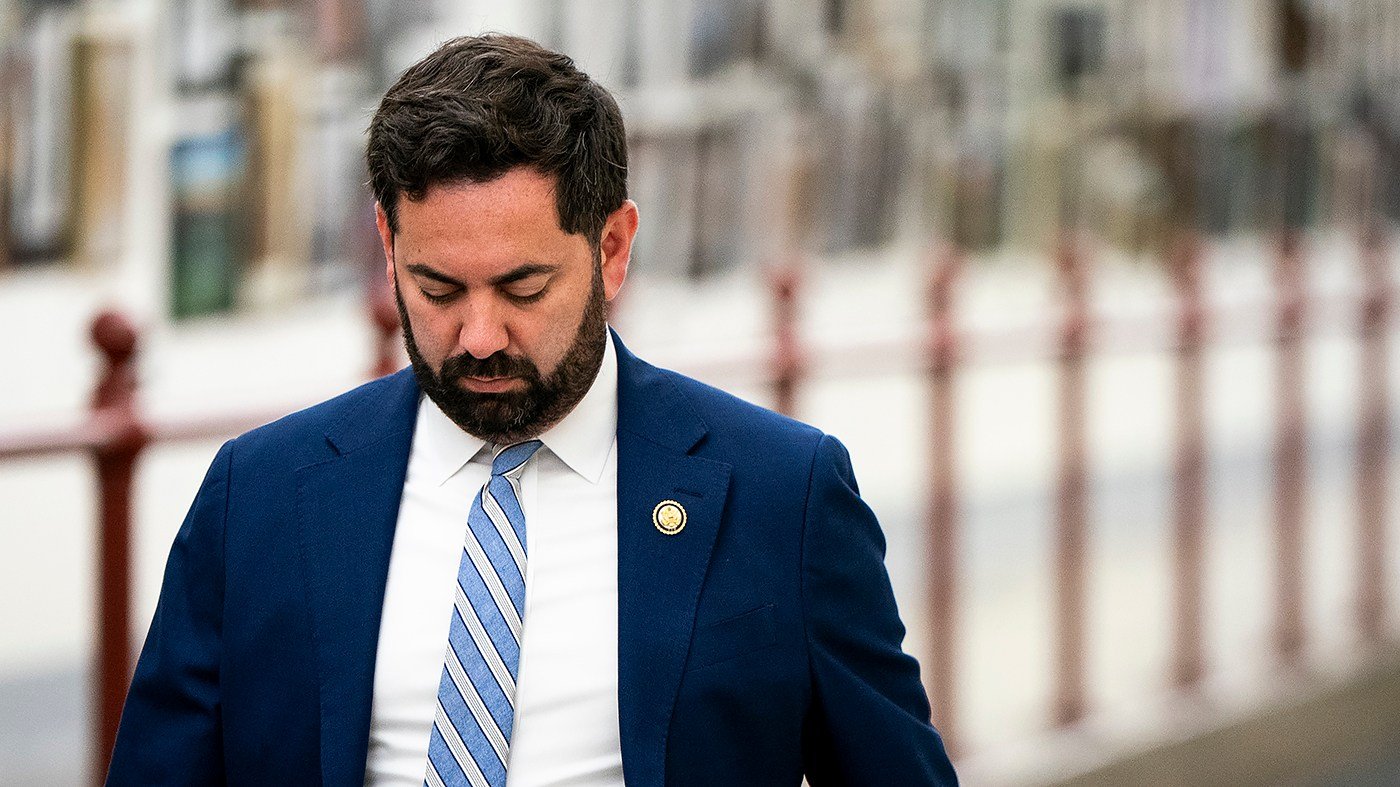
The BBC is pressing forward in its defense against President Trump's $10 billion defamation lawsuit by seeking court permission to subpoena three of his closest family members. In a filing submitted Friday, the broadcaster's legal team argued that Donald Trump Jr., Ivanka Trump, and Jared Kushner possess information critical to the case.
According to the filing, the three family members "have personal knowledge and likely have possession, custody, or control of records" that could shed light on the events surrounding the Jan. 6, 2021, speech at the center of the dispute. The BBC contends that the president's own family may hold evidence that undermines his claim that the broadcaster maliciously edited his remarks.
The lawsuit stems from a BBC documentary that aired in 2024, which Trump alleges spliced his speech outside the U.S. Capitol to make it appear he was directly inciting the attack on the building. The BBC apologized in 2025 for the editing, but it has consistently rejected Trump's assertion that the program constituted defamation.
In Friday's filing, the BBC's attorneys detailed significant hurdles in serving the subpoenas. They said that when they attempted to serve Ivanka Trump and Jared Kushner at their Florida residence, law enforcement officers turned them away and directed them to the U.S. Secret Service. A May 14 email from Secret Service lawyer Troy Epstein, included in the filing, stated that the agency "is not authorized to accept service of these subpoenas for these individuals."
Efforts to serve Donald Trump Jr. at his Trump Tower office and home were similarly unsuccessful, according to the filing. The BBC's legal team said they were blocked at every turn, prompting them to request that the court authorize alternative delivery methods, such as email, mail, or notice to the witnesses' attorneys.
"Though the problem that the BBC faces in attempting to serve subpoenas on the Third Parties is unusual, perhaps even novel, the solution is straightforward: this Court can and should authorize the BBC to serve the subpoenas via methods, other than personal service," the attorneys wrote.
The case has drawn attention amid broader legal battles between the Trump administration and media organizations. The president has pursued aggressive litigation against outlets he accuses of bias, a strategy that has extended to other federal actions as well. The BBC's move to bring Trump's family into the proceedings could escalate the confrontation, as the broadcaster seeks to build a robust defense.
The Hill has reached out to the president's legal team for comment on the filing. The court has yet to rule on the BBC's request, but the outcome could set a precedent for how subpoenas are served on high-profile individuals with Secret Service protection.
Legal experts note that the BBC's strategy is unusual but not unprecedented. By seeking testimony from Trump's children and son-in-law, the broadcaster may be aiming to demonstrate that the president's interpretation of the documentary is contradicted by those who were present during the speech's delivery. The family members' potential testimony could also explore the context of the editing and whether any malice was intended.
As the legal wrangling continues, the case remains a flashpoint in the ongoing tension between the Trump administration and the press. The BBC's request for alternative service is a procedural step, but it underscores the high stakes of a $10 billion claim that could have sweeping implications for media coverage of political figures.