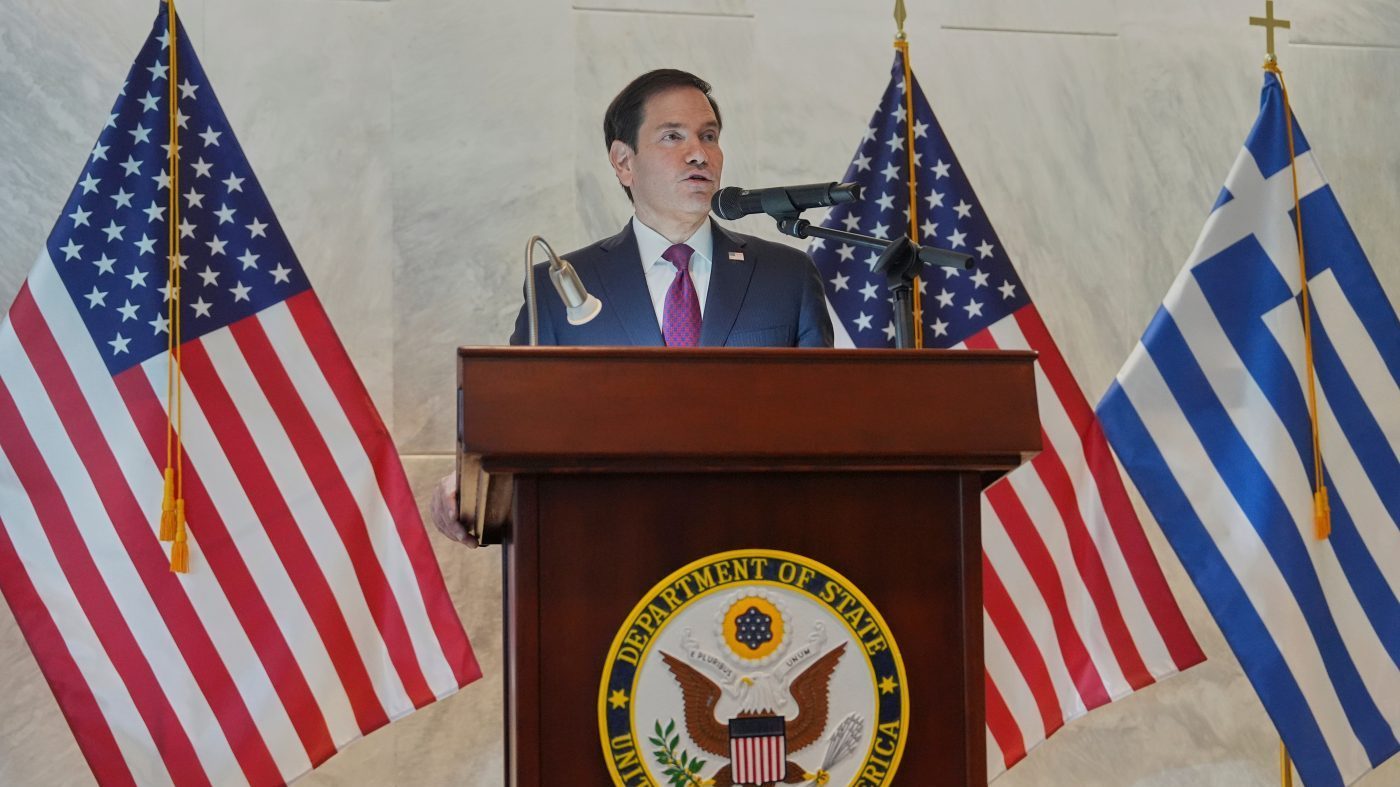
Secretary of State Marco Rubio is set to deliver a major policy address in Athens on Wednesday, using the symbolic backdrop of the Acropolis to call on Western nations to recommit to their democratic foundations. The speech is part of an administration effort to steady relations with European allies who have grown wary of Washington's recent diplomatic posture.
Rubio's remarks, scheduled for 11:30 a.m. EDT, are expected to frame the current geopolitical moment as a "crossroads" for the United States and Europe. He will argue that the shared values that propelled the West to global leadership must be revived, particularly as authoritarian challenges mount. His language of "civilizational roots" is intended to resonate with both domestic and international audiences, emphasizing a return to principles rather than transactional ties.
The secretary's trip includes stops in Iceland, Greece, and Portugal, all NATO members, with a focus on economic cooperation and security commitments. The Athens leg carries particular weight, as Greece has been a key partner in the Eastern Mediterranean and a vocal supporter of Euro-Atlantic solidarity.
This address comes amid a broader administration push to recalibrate transatlantic relations. While the White House has stressed alliance cohesion, European officials have privately expressed concerns about policy unpredictability, especially regarding trade and defense burdens. Rubio's speech is seen as an attempt to bridge those gaps with a philosophical appeal.
Analysts note that the choice of Greece is deliberate, given its historical role as the cradle of democracy. "This is not just a diplomatic nicety," said one European affairs expert. "It's a rhetorical strategy to remind both sides of what they share, especially when there are real disagreements over issues like tariffs and burden-sharing."
Rubio's tour also overlaps with ongoing concerns about global health security, as the administration has been pressing Moscow for details on a suspected plague case in Russia. The secretary's dual focus on democratic renewal and practical security matters underscores the complexity of the current alliance agenda.
Observers will be watching whether Rubio's words translate into concrete policy shifts, particularly on defense spending and trade negotiations. The speech is expected to avoid specific commitments, instead setting a tone for future discussions at upcoming NATO summits.
As Rubio takes the stage near the Acropolis, the broader question remains whether his call for a return to democratic roots can bridge the gaps that have emerged in recent months. For now, the administration hopes that a message of shared heritage will resonate with allies who are eager for reassurance.