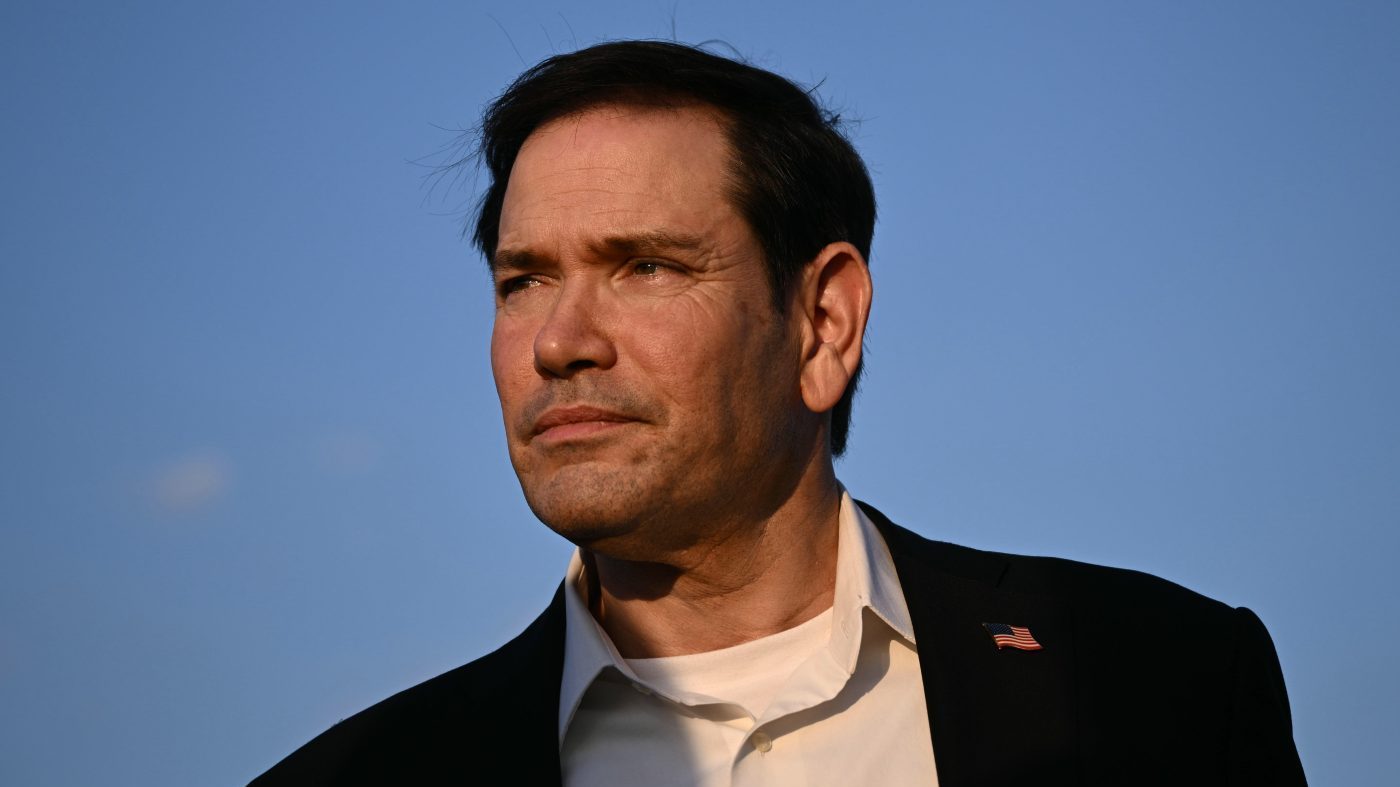
Secretary of State Marco Rubio on Sunday defended President Trump's decision to enter the conflict with Iran, arguing that the administration had to confront a national security threat even if doing so was politically unpopular.
His backing of the war comes nearly a week after Republicans suffered a crushing defeat in the midterm elections, losing control of both the House and Senate for the next term. Trump and Vice President Vance have both acknowledged that the war played a role in the party's nationwide losses.
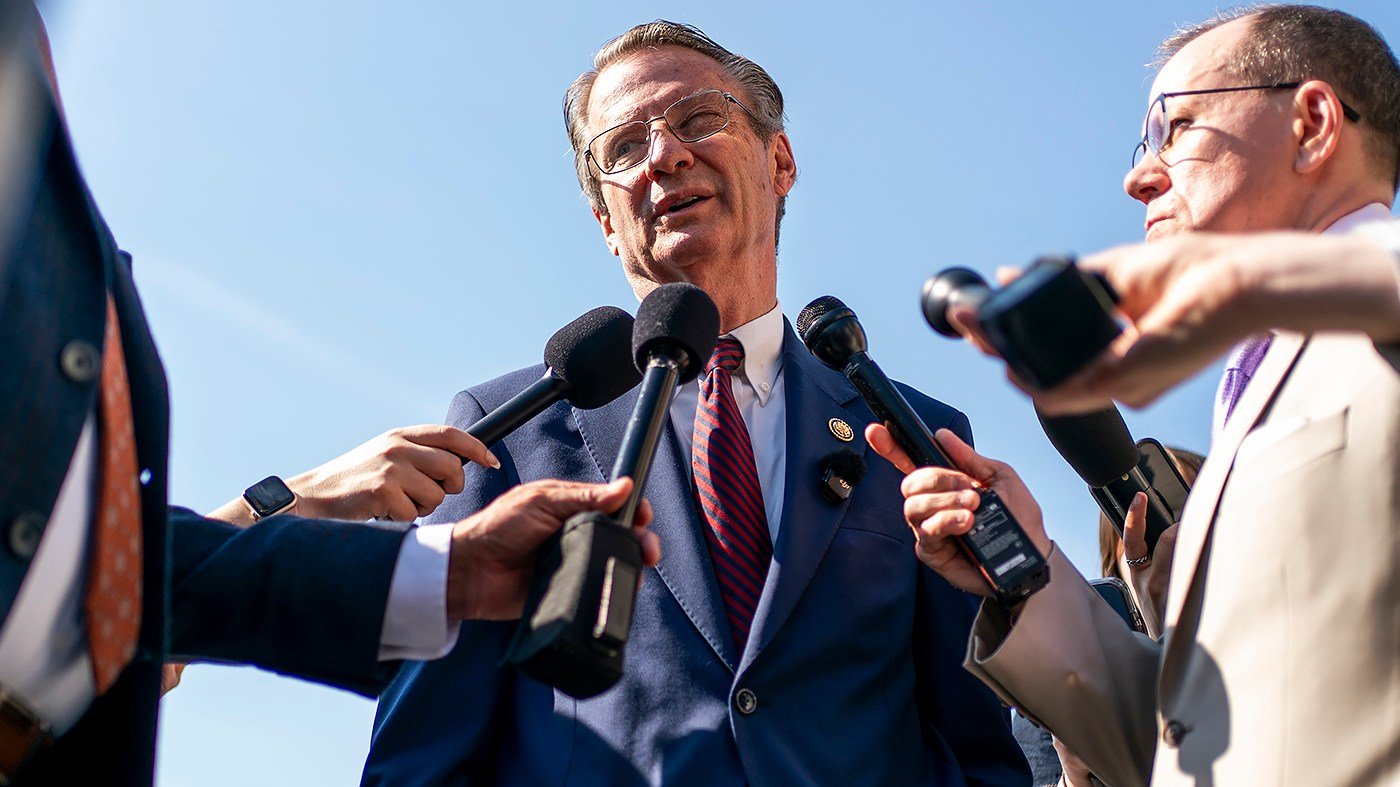
"The President of the United States identified a very real threat to this country that's existed for a very long period of time, and he addressed it," Rubio told reporters at Homestead Air Reserve Base in Florida.
"And he addressed it even though, oftentimes, the right thing to do for the country — confronting difficult challenges for the security of our country — doing it isn't necessarily popular but necessary," he added.
Rubio, who has been viewed as a possible top contender for the Republican nomination in the 2028 presidential election, declined to say whether he believed the war was worth the political cost, insisting that his role as secretary of State required him to stay out of domestic politics. His name has been floated in the post-midterm GOP 2028 race, where he and Florida Governor Ron DeSantis are seen as rising while Vance slips.
His remarks came ahead of his meeting with his G7 counterparts in Paris on Monday. It marks his first overseas trip since the election, as U.S. allies sought clarity on Trump's foreign policy agenda following the midterms. The two-day gathering, which includes foreign ministers from the U.S., United Kingdom, Canada, France, Germany, Italy and Japan, comes as the Trump administration faces pressure to resolve the wars in Iran and Ukraine — with questions surrounding whether Democrats' takeover of Congress will affect Washington's approach to the conflicts.
The Iran war, now in its eighth month, became a political liability for the Trump administration that many cited as the reason for the GOP's poor showing at the polls last week.
"The reason we lost is the war. The president himself said so last night," Vance wrote in a lengthy post on social media in the aftermath of the election. "If you'd like to argue it was worth it, that losing the Senate for the next 6 years was worth it, then do so. Argue it was a worthwhile cost to pay. Agree or disagree, that's at least honest."
Trump has also acknowledged that the conflict, which caused rising inflation and gas prices to surge, contributed to Republicans' losses, but maintained that his decision to strike was necessary to prevent Tehran from developing a nuclear weapon. The administration's stance has drawn scrutiny from allies, especially as the State Department dismissed reports of Rubio's departure as a baseless hoax, signaling continuity in foreign policy.
Rubio's defense of the war comes as the administration faces a divided government, with Democrats poised to take control of Congress. The outcome of the midterms has already reshaped the political landscape, and the president's foreign policy decisions are likely to face increased scrutiny. The G7 meetings in Paris will be a key test of whether the administration can maintain international support for its actions in Iran and Ukraine.