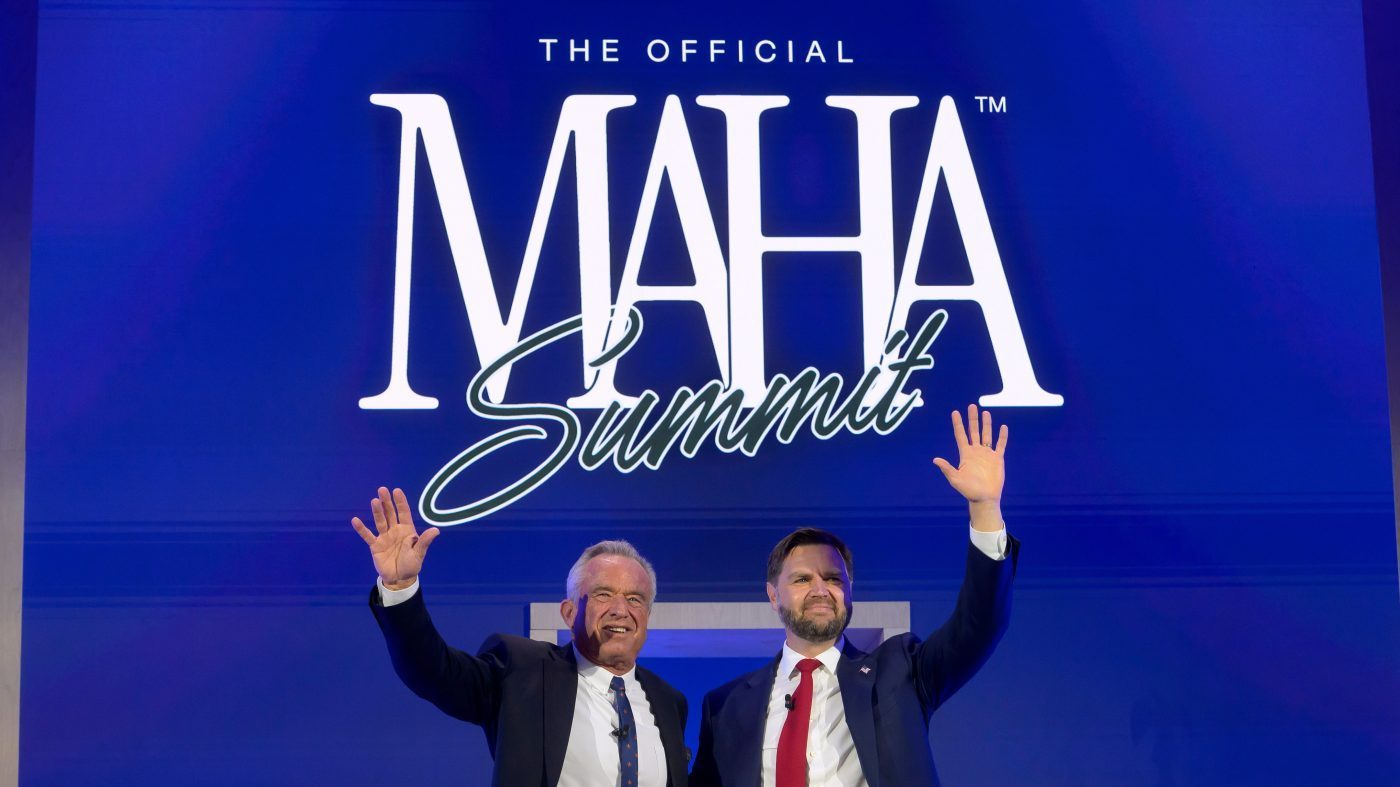
Health and Human Services Secretary Robert F. Kennedy Jr. and Vice President JD Vance will take center stage at the annual Make America Healthy Again (MAHA) summit in Washington on Tuesday, using the gathering to outline the administration's health priorities for the coming year.
The daylong event, scheduled to kick off at 9 a.m. EDT, convenes senior Trump administration officials, health care and technology executives, and key allies of the MAHA movement. Discussions will span health care affordability, food policy, artificial intelligence, and regulatory reform—areas where the administration has promised swift action.

Former heavyweight boxing champion Mike Tyson is also slated to appear, alongside Agriculture Secretary Brooke Rollins, Centers for Medicare and Medicaid Services Administrator Dr. Mehmet Oz, and Environmental Protection Agency Administrator Lee Zeldin. Their participation underscores the administration's push to connect public health with broader economic and agricultural policies.
The summit's closing session will feature a conversation between Vance and Kennedy focused on the MAHA movement's priorities for the year ahead. That pairing signals the administration's intent to keep health policy at the forefront of its political agenda, even as other issues compete for attention.
Kennedy, who has long championed the MAHA cause, has made food safety and chronic disease prevention central to his tenure at HHS. The summit provides a platform to rally support for those initiatives and to coordinate with other agencies, such as the USDA and EPA, on regulatory changes that could reshape the food and agriculture industries.
Vance's involvement elevates the event's political weight, suggesting that health policy will remain a key talking point for the administration heading into the 2026 midterm elections. The vice president has previously emphasized the importance of addressing chronic illness and promoting healthier lifestyles, aligning with MAHA's core messaging.
Industry executives attending the summit are likely to seek clarity on regulatory timelines and potential incentives for innovation in areas like AI-driven diagnostics and food production. The administration has signaled a willingness to cut red tape, but specifics remain scarce.
The summit comes amid broader debates over federal health spending and global health commitments. Lawmakers have pressed the administration to release $1.3 billion in global health funds before year-end, a matter that could intersect with domestic health priorities.
As the MAHA movement gains traction, its policy proposals are drawing both praise and criticism. Supporters argue that addressing root causes of disease will reduce long-term health care costs, while skeptics question the feasibility and evidence base of some initiatives.
Tuesday's summit is expected to produce a clearer outline of the administration's next steps. With high-profile speakers and a packed agenda, the event is a bellwether for how the White House intends to wield health policy as a political and governing tool.