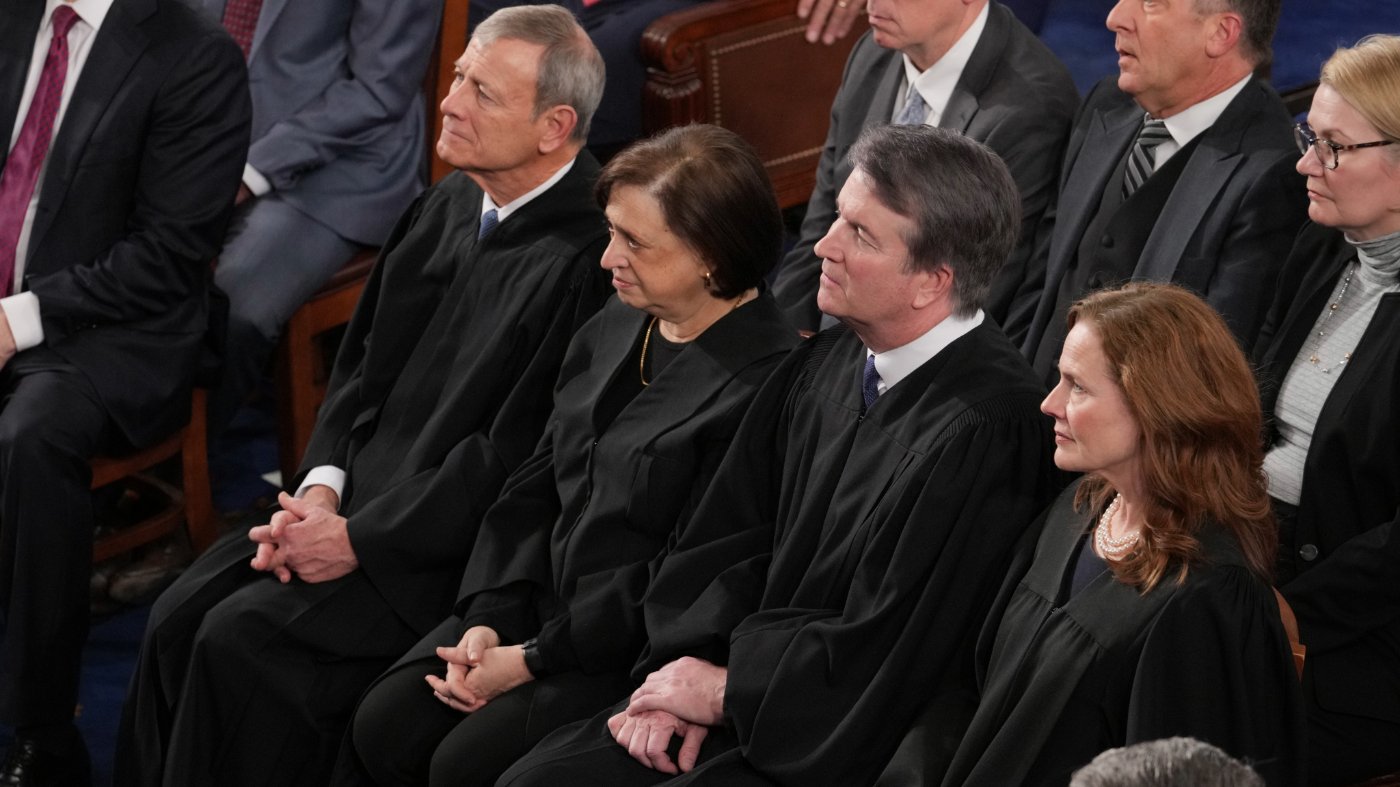
As the Supreme Court wraps up its term, the damage from its conservative supermajority is clear—most notably in a major blow to the Voting Rights Act. But the deeper issue isn't just the rulings; it's the court's newfound sense of invincibility.
For decades, the justices operated with an unspoken check: the fear that Congress or the public might overturn their decisions. That fear has evaporated in an era of hyper-polarization and legislative gridlock. The current supermajority, likely to last for years, knows that a paralyzed Congress can't pass corrective laws or constitutional amendments.

This shift has turned the court into a vehicle for personal policy preferences, not neutral legal principles. To restore legitimacy, we need more than just adding seats—we must change the fundamental math of judicial power.
A Two-Pronged Structural Reset
Paul M. Collins Jr., a professor at the University of Massachusetts Amherst, proposes two key reforms. First, Congress should use its constitutional authority to expand the court's size. Second, and more critically, justices should no longer sit as a permanent nine-member body. Instead, they'd hear cases in randomly assigned three-judge panels with final say.
This system would shift incentives overnight. When a justice knows a radical opinion might be overturned by a different panel years later, the pressure moves toward moderation and respect for precedent. Combined with a larger bench appointed across multiple administrations, it would dilute the winner-take-all stakes of judicial appointments.
Why Panels Work
Critics warn that abandoning the rule of nine could create legal chaos. But the current stability is less a settled peace than an ideological occupation. A panel system would encourage narrow, consensus-driven rulings, trading brittle certainty for flexible consistency.
Congress already uses three-judge panels in federal appeals courts, so this isn't radical. Article III gives lawmakers broad authority to define the court's structure—and the court's size has fluctuated from six to 10 members in the past.
This isn't a court-packing coup; it's a structural reset. The goal is to make the court fear being wrong, not just being final. With public confidence at historic lows, we can't afford a court that's always right simply because it's the last word.
For more on related legal battles, see how the Florida Supreme Court cleared a GOP congressional map, or the Supreme Court's potential curb on mail ballot counting. Meanwhile, pharma lost a Supreme Court bid and now lobbies Congress.
Ultimately, instilling a fear of reversal is an act of institutional humility. We need a court that is final only when it is right.