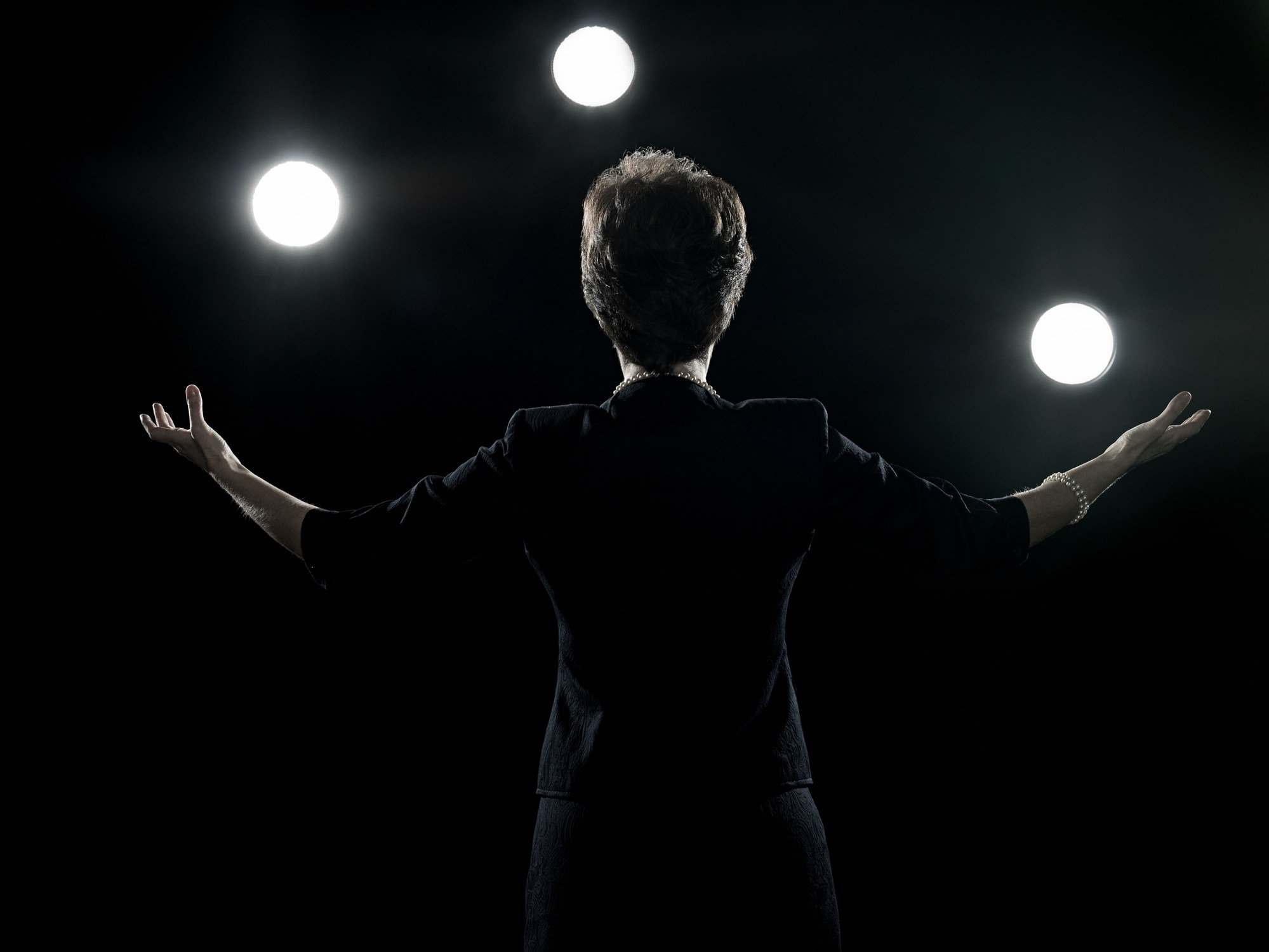
More than two centuries after the nation's founding, the White House remains an exclusively male domain. While over 200 women have run for the presidency, only Hillary Clinton in 2016 and Kamala Harris in 2024 secured major-party nominations—and neither broke the ultimate barrier. As the 2028 election cycle begins to take shape, several women are already being floated as contenders, yet the conversation often stalls on a familiar, tired question: Is America ready to elect a woman?
That framing misses the point entirely, argues William S. Becker, a former Wisconsin Department of Justice official and executive director of the Presidential Climate Action Project. The real test for voters, he contends, is not gender but capability—whether a candidate possesses the right blend of skills, temperament, and vision to lead a nation grappling with domestic discord and global instability. Gender should be irrelevant; competence and character should be the sole metrics.
However, a recent American University poll, highlighted by Politico, suggests persistent voter hesitation. While many Americans express support for more women in public office, deep-seated biases emerge when contemplating a female commander-in-chief. The poll found that voters often associate women with empathy, inclusivity, and fresh perspectives—qualities deemed valuable but not necessarily 'presidential.' Conversely, men are still seen as more trustworthy on national security, foreign policy, and crime, reflecting a 'double bind' where female candidates must prove they are both tough and likable, a standard rarely applied to male opponents.
Becker argues this binary thinking is detrimental. Empathy is not a feminine trait; it is a human trait. Toughness is not synonymous with aggression or bluster. The current political climate, he suggests, suffers from an overabundance of 'hypermasculinity'—bullying allies, prioritizing performative strength over genuine diplomacy, and fostering an environment where compassion is often dismissed as weakness. The next president, he insists, will need to repair the damage done to governmental institutions and restore international trust, a task demanding qualities traditionally coded as feminine but essential for effective leadership.
This isn't about electing a woman for the sake of history, but about recognizing that the challenges of the 21st century require a more holistic definition of strength. A leader must be firm yet principled, sympathetic yet resolute, and willing to cooperate on a global stage. Bullying and isolationism are outdated strategies in an interconnected world. The 48th president will need to be a healer, a unifier, and a steady hand—qualities that transcend gender.
Encouragingly, there are signs of shifting attitudes. A study published in Political Behavior indicates that perceptions of women politicians have become more positive over the past decade, while respect for stereotypically male political behavior has declined. This shift, coinciding with the Trump era, suggests that voters are beginning to reassess what they value in their leaders.
The upcoming election offers an opportunity to move beyond outdated stereotypes. The question isn't whether a woman can be president, but whether the electorate can embrace a broader, more mature understanding of leadership—one that values empathy alongside strength, cooperation alongside resolve, and service above self. As candidates emerge, voters should scrutinize their records, their visions, and their character—not their gender.
Becker's commentary arrives as polling on the 2028 race shows early jockeying, with figures like Marco Rubio and JD Vance drawing attention, while potential female candidates remain under consideration. The conversation must evolve, focusing on the qualities that truly matter for the nation's future.