For generations, public health operated largely out of public view—a quiet infrastructure safeguarding communities from disease. The COVID-19 pandemic shattered that anonymity, thrusting health agencies and their leaders into the political spotlight and prompting a wave of state legislation redefining their powers.
Now, as the 2026 election cycle takes shape, public health has become a bona fide campaign issue. Candidates at every level are being forced to articulate positions on matters ranging from pandemic preparedness to mental health services. For voters, understanding where candidates stand is no longer optional—it's essential.

Community Threats and Pandemic Readiness
First, voters should ask candidates to identify the most pressing public health threats facing their communities. What strategies would they implement to monitor emerging infectious diseases? Who would lead the response, and what role would they play? The pandemic exposed gaps in coordination and communication that remain unresolved.
Food Safety and Nutrition
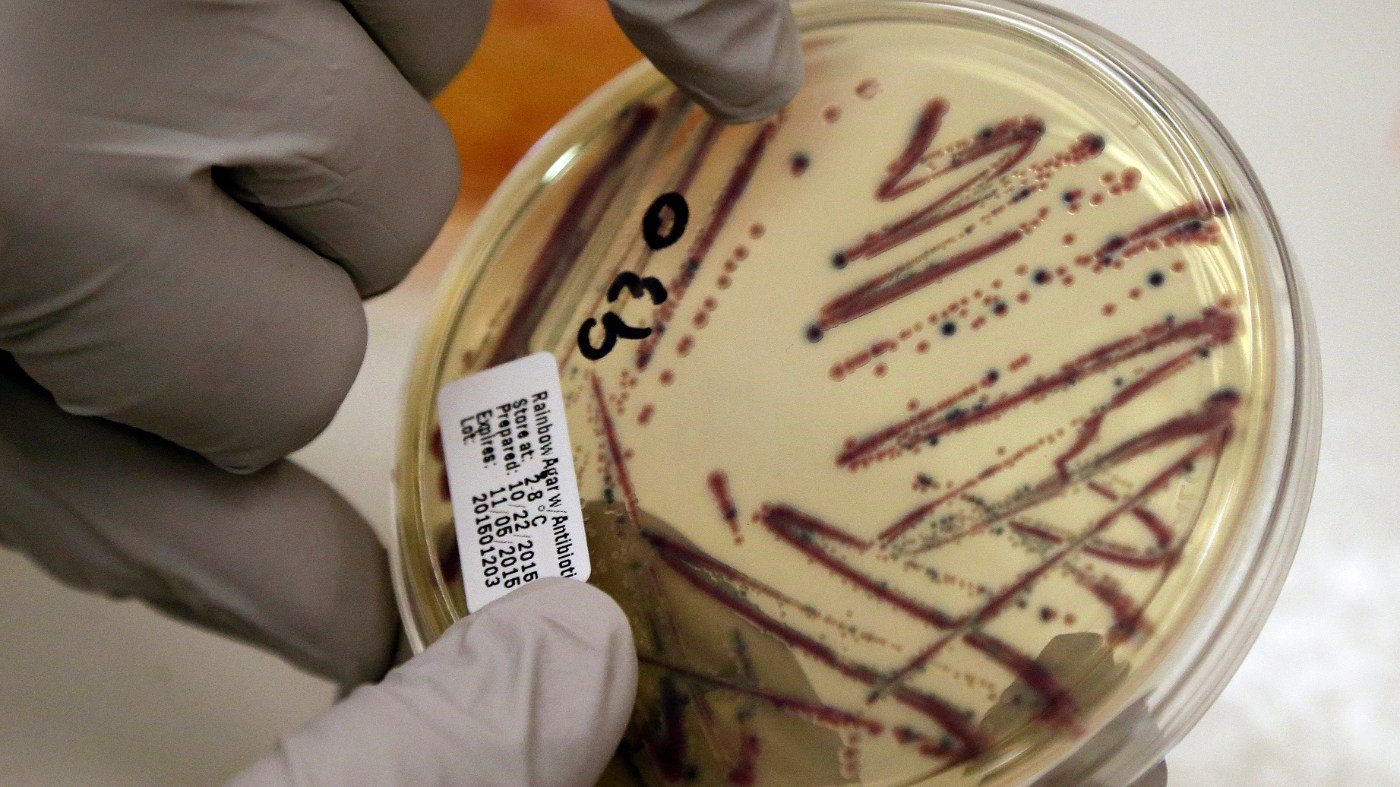
Food safety is another critical area. Recent outbreaks, including a cyclosporiasis episode that sickened tens of thousands, underscore the vulnerability of the food supply. Candidates should be pressed on how they would strengthen food safety oversight and respond to future contamination events. With federal lawmakers increasingly focusing on nutrition, voters deserve to know how their representatives plan to balance industry interests with public health.
Children's Mental Health
The mental health of young people has deteriorated since the pandemic, yet some states have scaled back data collection on youth behavioral health. Voters should ask candidates how they would assess children's needs and ensure adequate services are available. What programs would they champion to address this growing crisis?
Vaccination Policies
Vaccination requirements remain a flashpoint. With childhood vaccination rates declining, communities face outbreaks of preventable diseases like measles and pertussis. Candidates must clarify where they stand on school entry requirements and how they would handle an outbreak in their district. The role of local health departments in such scenarios is a key question.
Climate and Health
Climate change is no longer a distant threat—it's a present-day health issue. Wildfires, extreme heat, and insect-borne illnesses are on the rise, affecting recreation and overall well-being. Candidates should be asked about their perception of local climate impacts and what mitigation measures they would support.
Healthcare Access and Insurance
Access to care remains a fundamental concern. Recent federal actions, including the One Big Beautiful Bill Act and the removal of 750,000 people from Affordable Care Act coverage, threaten to leave many without insurance. This likely will increase emergency room visits, straining already overburdened facilities. Voters need to know how candidates plan to address coverage gaps.
Rural Hospitals at Risk
Rural hospitals face an existential crisis. The same federal legislation is projected to accelerate closures, with up to one-third of rural hospitals at risk. While the Rural Health Transformation Program offers some hope, it won't offset lost funding. Candidates should be pressed on state-level initiatives to support these vital institutions.
Policy Development and Information
Finally, candidates should explain how they would develop public health policies. Which organizations would they consult? How would they weigh guidance from mainstream medical bodies against alternative sources? Transparency in policy formation is crucial for public trust.
As public health becomes a permanent fixture in political discourse, voters must hold candidates accountable. The decisions made in the next term will shape community health for years to come. It's time to ask the hard questions.