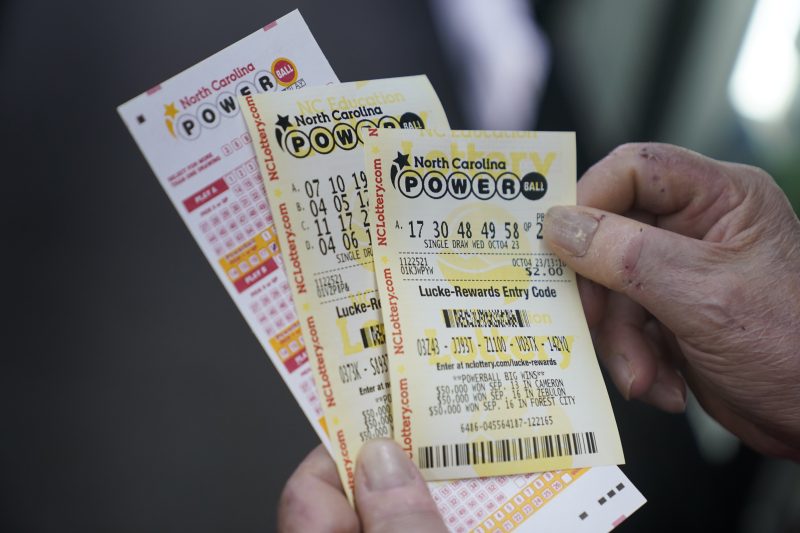
For the eighth time in its history, Powerball has produced a jackpot estimated at $1 billion. Monday night's drawing yielded no grand prize winner, leaving the pot to swell further. Three tickets—one each in California, Maryland, and Tennessee—matched five numbers but missed the Powerball, settling for smaller prizes.
The winning numbers drawn were 6, 37, 54, 55, 64, and the red Powerball 10. By early Tuesday, Powerball officials projected ticket sales had pushed the jackpot to an estimated $975 million for the next drawing, with a cash value of $422.3 million.

The Big Question: Annuity or Cash?
For any lucky winner, the first major decision is how to receive the money. The annuity option pays out the full $975 million in 30 graduated annual installments, increasing by 5% each year. This structure is designed to protect against inflation and provide a steady income stream. The cash option, meanwhile, offers a lump sum of $422.3 million upfront, which is the amount Powerball has set aside to fund the prize.
Financial advisors often point out that the cash option, despite being smaller on paper, gives winners immediate control over their money. This can be advantageous if you have high-return investment opportunities or need to pay off debts. However, it also requires discipline to manage a sudden windfall, and the lump sum is subject to federal and state taxes immediately.
The annuity, on the other hand, guarantees a fixed income for three decades, which can be appealing for those worried about overspending. But it also means the lottery commission holds the funds, and winners cannot access the full amount if a large expense arises. Additionally, the annuity's annual increases are designed to keep pace with inflation, but they may not fully match actual cost-of-living increases.
Tax Implications and Political Context
Taxes are a crucial factor. The federal government taxes lottery winnings as ordinary income, with the top marginal rate currently at 37%. For a $975 million annuity, the total federal tax over 30 years could be substantial. State taxes vary: some states, like California, do not tax lottery winnings, while others, like New York, impose rates up to 8.82%. Winners in high-tax states may find the cash option more attractive to avoid future tax hikes, especially given ongoing debates about federal tax policy.
This jackpot arrives amid heightened scrutiny of large payouts and government finances. Recent reports have questioned the accuracy of claimed savings from government efficiency initiatives, and debates over tariff refunds have highlighted how large sums flow through the economy. For instance, tariff refunds have lifted mega-cap earnings, showing how significant payouts can influence markets. Similarly, a recent Senate report alleged that the Trump family profited billions while in office, underscoring the political sensitivity around large financial windfalls.
For winners, the choice between annuity and cash is not just financial but also personal. Some may prefer the security of a guaranteed income, while others might want to invest in businesses or real estate. The decision also depends on age, health, and family needs. Older winners often choose the cash option to leave a legacy, while younger winners might benefit from the annuity's steady growth.
Powerball officials remind players that the jackpot is an estimate based on sales and interest rates. The actual cash value can fluctuate until the drawing. As the prize grows, more tickets are sold, increasing the chance of a winner, but also the chance of splitting the jackpot. If multiple tickets match all six numbers, the prize is divided equally.
In the end, there is no universally "best" option. Financial planners generally advise winners to consult with tax experts and investment advisors before claiming. The decision should align with long-term financial goals and risk tolerance. As the next drawing approaches, millions will dream of the choice—a pleasant dilemma indeed.