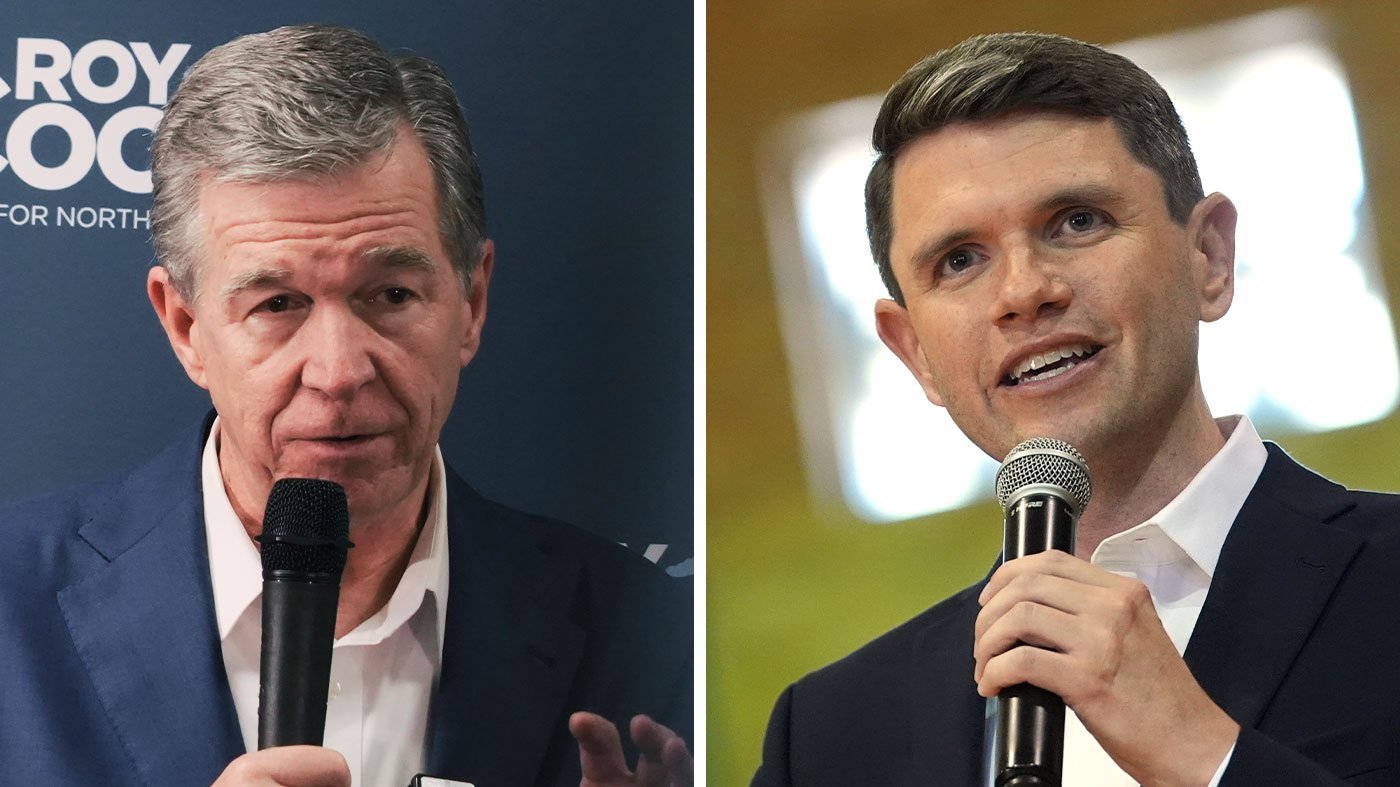
President Donald Trump's approval ratings continue to slide, with a Fox News poll showing 61 percent disapproval among voters. His handling of the Iran conflict, the economy, and immigration all register in negative territory, signaling deepening trouble for a president who appears increasingly isolated outside his far-right base.
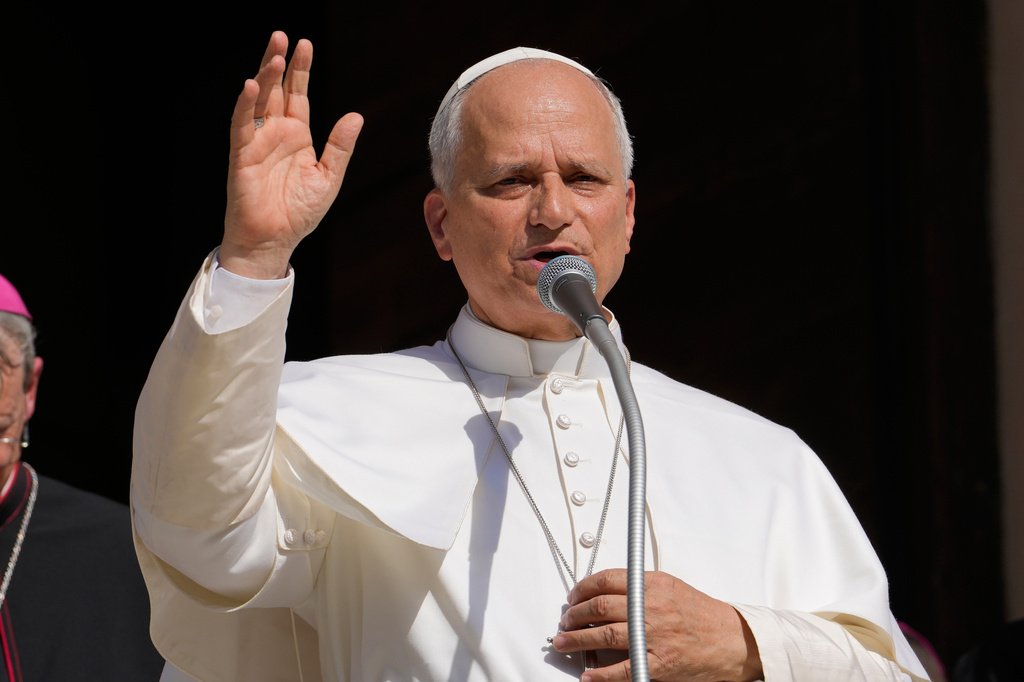
An unexpected figure has entered the political fray: Pope Leo XIV, the first American pontiff. As the midterms approach, the Chicago-born pope's forceful opposition to Trump is emerging as a factor in the president's declining political fortunes.
Pope Leo has been unequivocal in stating that Trump's policies conflict with core Christian teachings—concern for the poor, skepticism of wealth, welcome for refugees, and love for neighbor. These principles, he argues, are fundamentally at odds with Trump's decision to initiate military action against Iran.
“God does not bless any conflict,” the pope wrote on social media in April. “Anyone who is a disciple of Christ, the Prince of Peace, is never on the side of those who once wielded the sword and today drop bombs.” He has refused to be silenced on the unpopular war, accusing Trump of acting out of a “delusion of omnipotence.”
Leo has also condemned the administration's hardline immigration enforcement, including deportations of non-criminal immigrants and the use of force against protesters. His stance resonates with a broad swath of Americans, even as Trump's team has responded with dismissive social media posts and false claims that the pope supports Iran's nuclear ambitions.
According to Gallup, Pope Leo now enjoys a 57 percent favorability rating among Americans, while The Economist-YouGov poll shows him with a net favorability of plus 32, compared to Trump's negative 22. Among Catholics—who make up roughly 20 percent of the U.S. population and include six of nine Supreme Court justices—approval of the pope is high across all levels of religious observance, per Pew Research.
In a June Pew survey, 51 percent of Catholics said Trump has been too critical of the pope, while only 4 percent felt he hasn't been critical enough. This discontent could sway tight races in states like Iowa (15 percent Catholic) and Texas (22 percent Catholic), potentially tipping gubernatorial and Senate contests to Democrats.
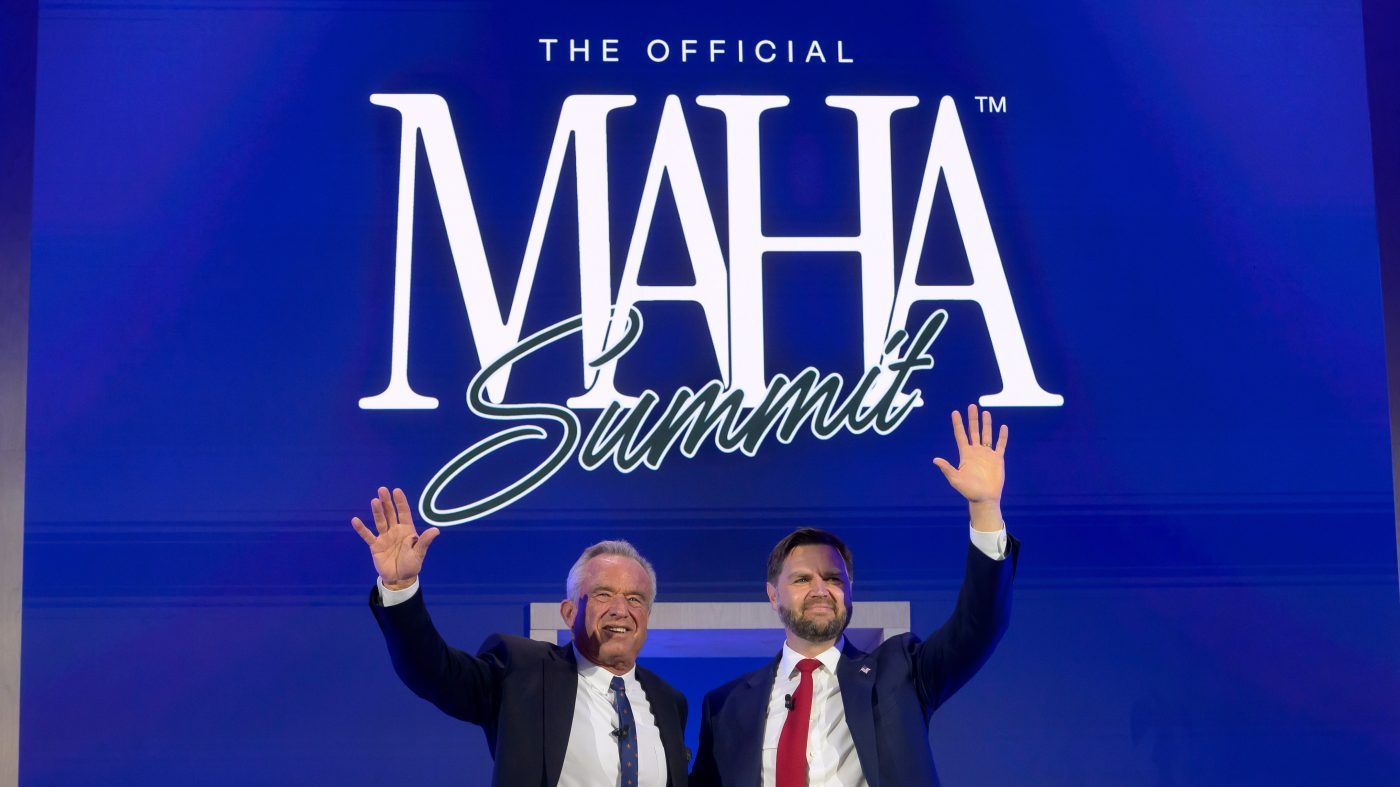
The traditional alliance between evangelical Protestants and doctrinaire Catholics on abortion, which powered Republican victories under Reagan, George W. Bush, and Trump, has frayed since the 2022 Dobbs decision. Vice President JD Vance is now trying to rebuild that coalition ahead of a likely presidential run. But his recent conversion to Catholicism has drawn skepticism. As noted by commentators, Vance's faith journey—from evangelicalism to atheism to Catholicism—risks appearing opportunistic. When he met with the pope, he reportedly suggested Leo needed to work on his theology, a move that critics say reveals that political priorities consistently trump religious convictions.
With voters focused on rising living costs, the influence of ultra-wealthy autocrats, and the rise of artificial intelligence, there is growing appetite for the pope's traditional Catholic teachings. This hunger far exceeds support for Trump's ongoing projects, such as his renovation of the Lincoln Memorial Reflecting Pool or plans for a golden archway at the White House entrance.
For Trump, the judgment may be arriving from an unlikely source: the Chicago-born pope who has become a powerful voice against his presidency.